
In the intricate world of international commerce, Incoterms (International Commercial Terms) stand as the guiding stars. Crafted by the International Chamber of Commerce (ICC), these terms are the universal language of global trade, defining the nitty-gritty of goods delivery and clarifying the roles of importers and exporters in this complex dance.
Why do these terms matter? Simple. Imagine you’re a buyer or seller in the global marketplace. Incoterms are your playbook, ensuring everyone’s singing from the same hymn sheet during transactions. They’re not just jargon; they’re the pillars that support every international deal.
Let’s zoom in on a classic example. Remember DAT (Delivered at Terminal)? It used to go by other names: DES (Delivery at Ship) and DEQ (Delivery at Quay). But as the world evolves, so do Incoterms. In a significant shift in January 2020, DAT transformed into DPU (Delivered at Place Unloaded). It’s not just a cosmetic change; it’s a recalibration to capture the essence of the term with pinpoint accuracy.
However, don’t be misled: this change in nomenclature doesn’t alter the binding nature of these terms. They remain the bedrock of global trade agreements, ensuring clarity and predictability in every corner of the world.
Understanding these terms isn’t just beneficial; it’s essential. For anyone diving into the ocean of international trade, a solid grasp of Incoterms is the life raft that ensures smooth sailing in the choppy waters of global commerce.
How does DAT work?
When it comes to the DAT (Delivered at Terminal) term in international trade, think of it as a precise dance between the seller and the buyer. This term places the seller in charge of delivering the goods to a pre-agreed location – be it a bustling port, a busy quay, a sprawling container yard, or any other transport hub. The stage for this crucial exchange? It’s set right in the agreement.
Imagine the scene: the goods arrive. At this pivotal moment, the buyer steps into the spotlight, taking on full responsibility for the goods. This includes navigating the maze of import formalities and arranging inland logistics. It’s a handover of duties, clear and defined.
But what about the costs? Here’s where DAT draws a clear line. The seller bears all expenses pre-delivery, including those sneaky terminal handling charges. Post-delivery, the baton is passed to the buyer, who then handles customs duties, clearance fees, taxes, and the journey of the goods from the terminal to their final destination.
This transfer of liabilities at the delivery point is no small matter. It’s vital that both parties are on the same page about where and when this exchange takes place, crystallizing it in the agreement to avoid any gray areas.
But wait, there’s more. How does DAT stand apart from its Incoterm cousins like DAP (Delivered at Place) and DPP? The distinctions are subtle yet significant. Stay tuned as we delve deeper into these nuances, enhancing your understanding and mastery of these critical trade terms.

Case Study
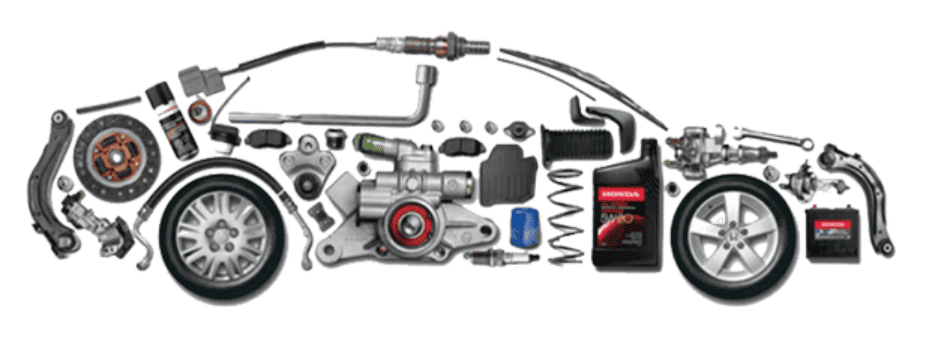
Picture this: a Canadian auto business needs spare parts, and they turn to China, a powerhouse in manufacturing. The order is placed, and the journey of these essential components begins, all under the watchful eye of the DAT (Delivered at Terminal) Incoterm.
In this global exchange, the Chinese supplier plays a crucial role. Before these parts even leave Chinese soil, the supplier ensures they pass through customs seamlessly at the Chinese port. But their responsibility doesn’t end there. They’re also in charge of covering the costs of carriage and insurance, ensuring the parts’ journey across the seas is as smooth as a well-oiled engine, right up to their safe arrival at a Canadian terminal.
Once these parts touch Canadian ground, the scene shifts. The moment they’re successfully unloaded at the Canadian port facility, it’s like a baton pass in a relay race. Now, the Canadian buyer steps up. From this point forward, they’re the captain of this ship. All responsibilities and risks associated with these vital components are theirs to manage. They oversee the final leg of the delivery process, navigating through any remaining challenges to bring these parts to their new home.
This story isn’t just about moving auto parts; it’s a snapshot of international trade’s dynamics under the DAT Incoterm. It’s a dance of responsibilities and risks, a complex yet beautifully orchestrated exchange that keeps the wheels of global commerce turning.
What are the peculiarities of DAT?
- Sellers or suppliers are responsible for transporting goods all the way from their origin to the destination.
- Importers or buyers take charge of importation charges and arranging transportation to their specified location.
- A crucial shift occurs upon delivery at the destination port or terminal: risks and liabilities transfer from the supplier to the importer.
Advantage and drawback of DAT for buyers
Buyers can rest assured that their goods will be delivered to the agreed location, freeing them to focus on subsequent clearing and forwarding tasks. However, they must also be prepared to shoulder the risk of any potential damage or loss during the reloading and onward forwarding to their final destination.
Advantage and drawback of DAT for sellers
Sellers bear the sole responsibility of delivering goods to the port, significantly simplifying their part of the deal. However, there’s always the risk that buyers might not adhere to the agreement’s terms, potentially failing to collect the goods as scheduled.
What are sellers’ obligations under DAT?
1. Licensing
As a seller, it’s crucial to secure and present export licenses or authorizations to the local authorities in your country of origin when requested. These essential documents facilitate legal exportation, helping you sidestep potential hurdles that could disrupt the process and hinder fulfilling your obligations to the importer.
2. Delivery and unloading of goods
A seller’s most fundamental and vital responsibility is to ensure goods are delivered and unloaded at the specified location and time, complete with all necessary documentation. This includes invoices (or their equivalents) and proof of delivery—a document essential for the buyer to collect the goods. It’s imperative for sellers to be thoroughly prepared for this to facilitate a seamless delivery process.
3. Transportation and insurance
As a seller, transporting goods to their destination is a fundamental duty. It’s essential to evaluate different shipping methods and opt for the most cost-effective one. For buyers, having insurance policies is crucial. They provide a safety net against unforeseen events like accidents, fires, losses at sea, or pirate attacks. Planning for these contingencies is a wise move for any buyer.
4. Costs (fee and levies)
Your responsibility encompasses covering all transportation-related costs, including the contract of carriage, loading at the origin, export clearance, and unloading at the destination. These are key aspects you need to manage effectively.
5. Notice to buyer
It’s essential for a notification confirming the safe delivery of goods at the designated destination to be sent to the importer or buyer. This notification not only serves as a testament to the supplier’s adherence to the agreement terms, but it also acts as a formal reminder of the transaction and effectively marks the conclusion of the exporter’s role in the process.
6. Checking
Additionally, it’s crucial to conduct a thorough assessment of the goods for quality control and assurances. This includes checking measurements, counting, and ensuring proper packaging and tagging. Such diligence ensures that all items are delivered in top condition.
What are buyers’ obligations under DAT?
1. Payment
As the buyer, your obligation is to fulfill the payment terms as outlined in the contract with the seller. This includes covering all related costs, encompassing importation fees, custom duties, and taxes.
2. Licenses, authorization, and formalities
Buyers are responsible for securing export licenses, import permits, and all requisite documentation to streamline the delivery process. It’s essential to be prepared for these steps.
3. Shipping and insurance
While suppliers typically handle these tasks, as a buyer, it’s wise to stay vigilant. Keeping a watchful eye ensures everyone remains diligent and allows you to intervene promptly if the need arises.
4. Taking delivery
One of the most fundamental and crucial duties is ensuring delivery at the preferred location and time. It’s vital that you, as a key player in this process, are available and prepared for this essential step.
5. Transfer of risks
As the buyer, you’re responsible for any risks and liabilities, including loss or damage, once the goods are offloaded at the terminal. It’s important to plan accordingly for this phase of the process.
6. Notice to the seller
As an importer, it’s vital to reciprocate communication. You should send a notification back to the supplier confirming the receipt of goods. This message should detail the shipment’s arrival time and validate the proof of delivery provided by the exporter. Additionally, conducting thorough inspections both pre-shipment and upon delivery is a key responsibility you should undertake.
What’s the difference between DAT vs DAP?
The Delivered at Place (DAP) incoterm represents a key agreement between the supplier and the buyer. Under DAP, the supplier is responsible for covering all transportation costs to a specified destination, which is outside the terminal. This includes fees for:
- Packaging
- Documentation
- Loading charges
- Insurance
- Onward transit
| DATDAPDelivery point is the port or terminalDelivery point is a named location outside the facilityLosses are covered by the seller before delivery and the buyer afterwards.Losses are covered by the seller |
|---|
The key distinction between DAT (Delivered at Terminal) and DAP (Delivered at Place) lies in the delivery point. With DAT, delivery occurs at the port or terminal, placing the onus on buyers to transport the goods from there to their final destination. In contrast, DAP simplifies this for buyers, as they only need to receive the goods at a pre-named location outside the facility.

Final words
That wraps up our basic rundown on the Incoterm DAT. If there’s anything you’re curious about or if you have any questions, just drop a comment below – we’re here to help.
At Zingsourcing, we stand at the forefront of sourcing in China, dedicated to aiding business owners in importing products at competitive prices. Whether it’s customization, wholesaling, or shipping solutions you need from China, feel free to reach out. Don’t hesitate to CONTACT US for expert assistance.
| Further Reading about incoterms CIF vs FOB FCA vs FOB What is FOB? What is EXW? What is FCA? What is CPT? What is CIP? |