
Sunglasses have transitioned from being a luxury emblem to a vital accessory in contemporary fashion.
This change has led many fast-fashion stores to explore the burgeoning market for trendy eyewear, primarily sourcing from China due to its affordable production costs.
This manual explores the details of wholesaling and importing sunglasses from China.
1. Different types of sunglasses
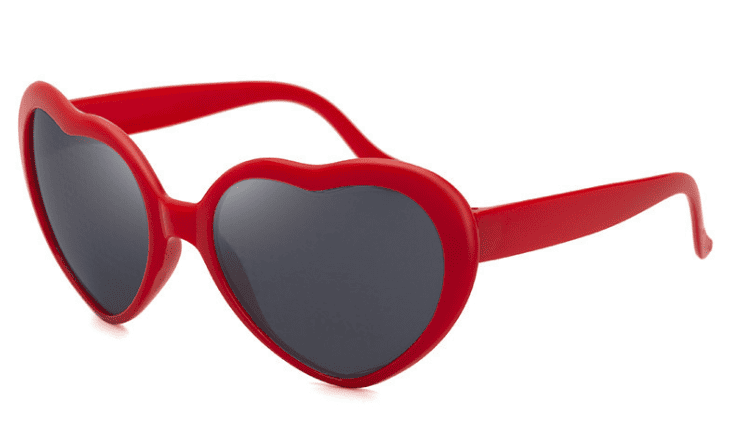
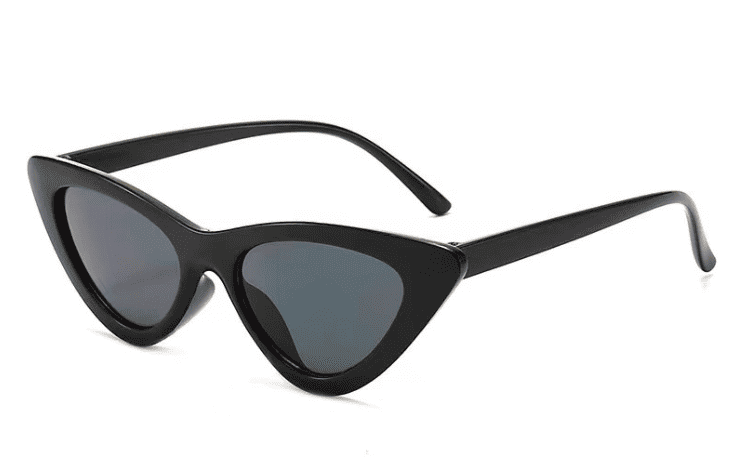
Fashion sunglasses
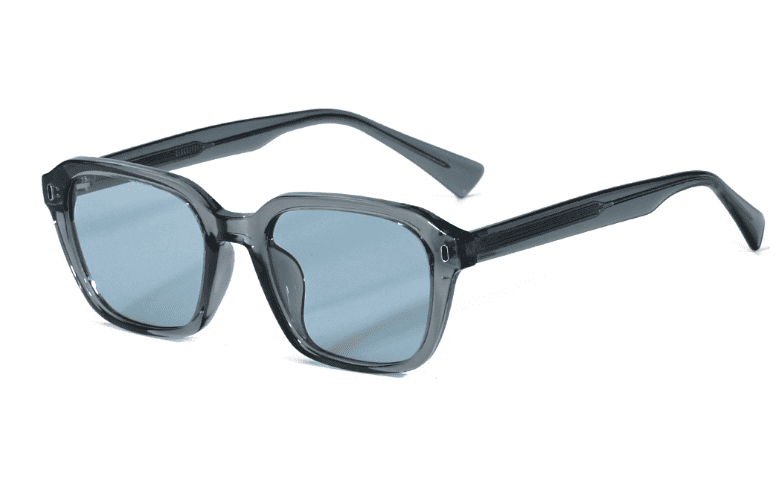
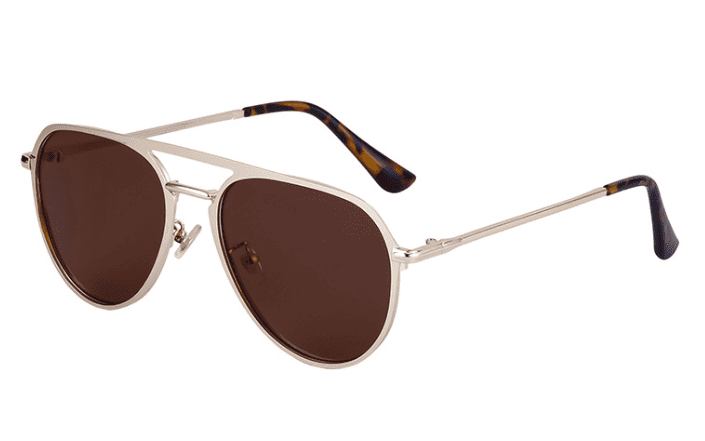
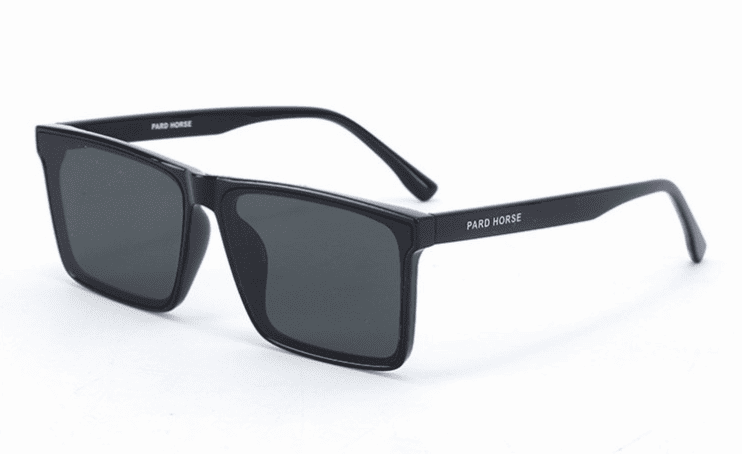
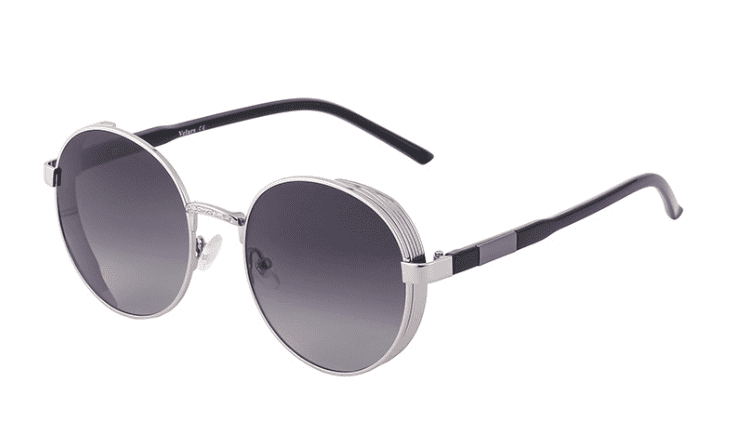
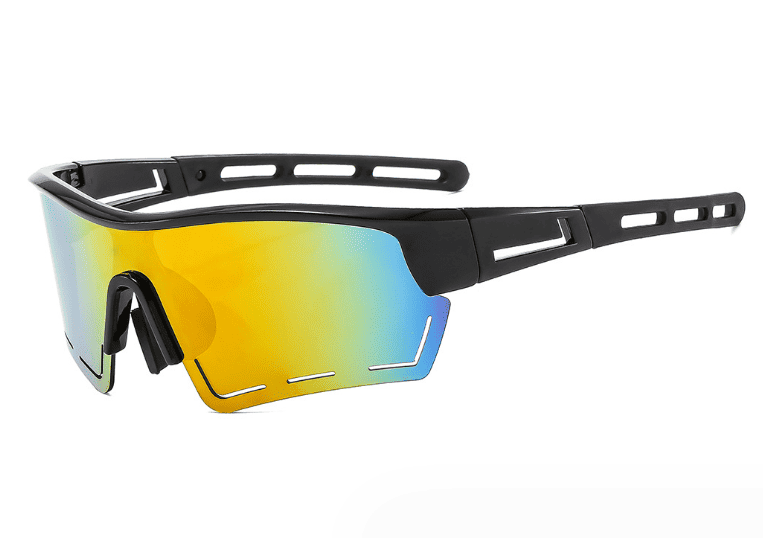
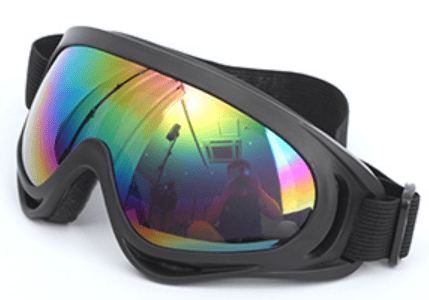
Sport sunglasses
Sports sunglasses serve as protective eyewear specifically engineered to safeguard the eyes during various sporting activities. Their primary function is to minimize the risk of ocular injuries, ensuring athletes can focus on their performance with enhanced safety and comfort.
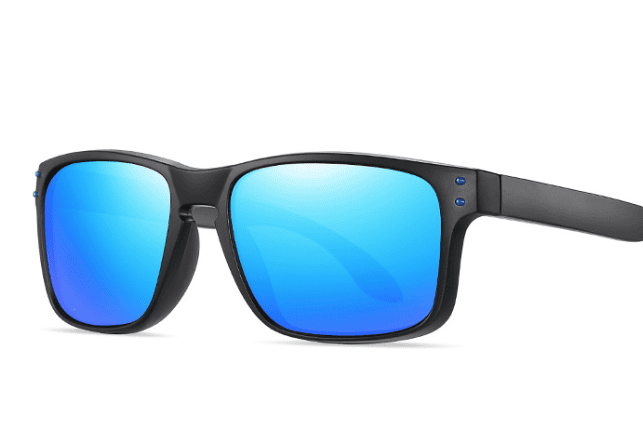
Polarized sunglasses & nonpolarized sunglasses
Polarized sunglasses, featuring specialized lenses, are adept at reducing glare, providing a sharp and unobstructed view. They are particularly effective in shielding the eyes from harmful UV rays, offering enhanced protection and clarity under bright sunlight.
2. How to find China sunglasses supplier
Finding sunglasses suppliers in China online is easy and cost-effective, especially for small businesses looking to save on expenses. Many choose online sourcing to prioritize spending on stock over travel.
However, personally visiting China allows you to examine products closely, ensuring they meet your style and quality standards. Deciding between online sourcing and visiting depends on your business’s specific needs and strategy.
For those traveling to China for suppliers, consider these key aspects:
Manufacturing Centers: China’s main sunglasses production is in Taizhou, Wenzhou, and Shenzhen, each known for different eyewear types, varying in quality and cost.
- Taizhou, Zhejiang: Offers cheaper plastic frame sunglasses and serves the international market, though quality might lag behind Shenzhen/Guangzhou.
- Wenzhou, Zhejiang: Specializes in lenses and frames, particularly metal, with reasonable quality but less focus on sunglasses than Taizhou.
- Shenzhen: Targets premium eyewear, including high-quality sunglasses, suited for substantial orders and customization.
Shopping Zones: In Shenzhen/Guangzhou, small-scale orders (around 10-30 pairs) are manageable, with diverse quality options. These areas are also good for buying various products like clothes or electronics.
Online Platforms: Begin with sites like Alibaba, DHgate, or Globalsource to identify reputable suppliers, though they might not be manufacturers or fully meet customization needs.
Sourcing Agents: For large orders or specific demands, a sourcing agent can link you with manufacturers and manage procurement.
Factory Tours: Visiting the production sites offers insight into their operational standards and product quality.
Certifications: Verify that the sunglasses comply with necessary standards for your market, like FDA approval and Drop Ball tests in the US.
Language and Negotiation: A sourcing agent or translator can aid in discussions with suppliers.
Logistics: Understand shipping details, including costs and packaging. Factories typically offer standard packaging, but custom packaging might require additional suppliers.
We are Zingsourcing, a dedicated sourcing team, ready to collaborate with you.
Remember, the quality, price, and minimum order quantities (MOQ) can vary significantly based on the manufacturing region and the specific supplier. It’s crucial to do thorough research and possibly visit multiple regions and suppliers to find the best match for your requirements.
3. Where are sunglasses manufacturers located in China?
Most of China’s sunglasses production is located in Taizhou, Wenzhou, and Shenzhen. It’s wise to target suppliers from these areas for efficient sourcing. Hiring a sourcing agent or translator can smooth out communications with the local suppliers.
Taizhou, Zhejiang
In Zhejiang Province, Taizhou is a key player in the eyewear sector, especially noted for its extensive production of sunglasses. The city excels in making plastic frame sunglasses, carving out a strong position in this niche.
Taizhou’s niche in plastic frame sunglasses has allowed it to perfect its manufacturing techniques, offering a variety of styles and designs to meet different market needs. Its factories can manage large orders, making it a prime choice for bulk purchases of plastic frame sunglasses.
Taizhou’s production is heavily export-focused, with a significant portion of its sunglasses reaching international markets. This wide distribution underlines the global recognition of the quality and style of Taizhou’s sunglasses.
The region has also tuned its production to align with global market trends and comply with international quality standards. Taizhou’s manufacturers are adept at responding to the shifting demands of the global sunglasses market, ensuring they remain a dependable source for international buyers.
Wenzhou, Zhejiang
Wenzhou, in Zhejiang Province, plays a crucial role in China’s eyewear market. Unlike Taizhou, which specializes in plastic frame sunglasses, Wenzhou produces both metal and plastic frames, indicating a wider industry scope.
The city boasts a variety of eyewear factories, from large-scale operations to smaller family-run businesses. This range enables Wenzhou to serve different customers, including big international brands and niche independents.
Quality stands out in Wenzhou’s eyewear sector. Manufacturers here prioritize meticulous craftsmanship and high production standards, ensuring their eyewear is durable and well-designed.
Innovation is another hallmark of Wenzhou’s eyewear industry. Producers here embrace new trends and technologies, offering a mix of classic and modern styles and utilizing advanced materials and methods.
While not as focused on sunglasses as Taizhou, Wenzhou offers a comprehensive range in eyewear, including both metal and plastic frame sunglasses. Its balanced approach provides quality and variety.
Shenzhen
Shenzhen, in Guangdong Province, is distinguished in the eyewear sector for its high-end production. The city has established a niche in crafting premium eyewear, including optical glasses and a select assortment of sunglasses.
Quality is at the core of Shenzhen’s eyewear production. Its manufacturers focus on creating products that blend functionality with style, using high-quality materials and precise manufacturing techniques. This attention to detail ensures that eyewear from Shenzhen is among the finest.
For buyers seeking luxury eyewear, Shenzhen is a top choice. Its manufacturers excel in customizing products to meet intricate demands, from advanced lens technology to unique frame designs.
Shenzhen’s eyewear industry is known for innovation, often leading in global fashion trends. This has made its pro
4. Certification and testing of products
As medical products, sunglasses require appropriate certifications and testing for importation from China to your country. It’s important to note that oftentimes, suppliers may not be fully aware of these specific requirements or unable to provide the necessary documentation. Therefore, it’s crucial to conduct thorough research and ensure compliance with all relevant regulations and standards to facilitate a smooth import process.
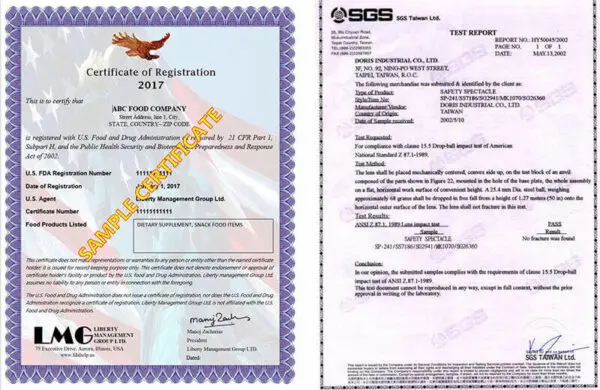
Based on my experience, it’s highly advisable to engage a freight forwarder from your own country or a Chinese sourcing agent. These professionals are well-versed in compliance regulations and can accurately identify the necessary certificates for shipping and customs clearance. They play a crucial role in navigating the complexities of customs checks and clearance, as well as in managing transportation logistics, thereby mitigating potential issues and streamlining the import process.
The certification requirements for exporting sunglasses vary across countries. To clarify, here are the key certificates needed for some major markets:
- In the United States, the Food and Drug Administration (FDA) certification and Drop Ball test are essential.
- For the European Union, compliance with EN ISO 12312-1 is mandatory.
- In Australia, the AS/NZS 1067:2003 certification is required.
- Russia demands GOST certification.
- Germany requires TUV certification.
FDA
Registering with the FDA, while not overly complex, involves a few key steps:
- Classify Your Product: Start by determining the specific classification of your product within FDA guidelines.
- Appoint a US Agent: If you’re based outside the US, it’s mandatory to appoint a US Agent to facilitate communication with the FDA.
- Annual Registration Fee: Pay the required fee for registration. This is an annual obligation.
- Acquire Identification Numbers: Obtain the Payment Identification Number (PIN) and Payment Confirmation Number as part of the payment process.
- Complete Annual Registration: Update your registration information annually, including the list of manufacturers associated with your imported devices.
- Download Listing Information: Access your listing information from the FDA Unified Registration and Listing System (FURLS) to retrieve your registration number, the owner/operator number, and the listing number of your device.
Each of these steps ensures compliance with FDA regulations, crucial for importing your products into the US market.
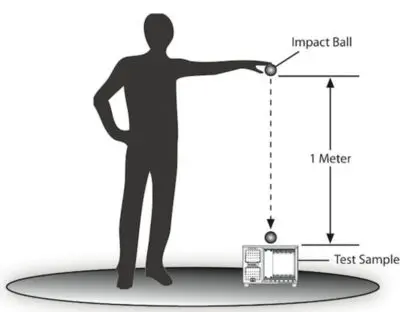
Drop ball test
When carrying out the drop ball test, crucial for eyewear quality assurance, individual testing of each piece is not required.
Products can be batched into series or units according to specific characteristics.
If the products have the same name, material, control method, installation approach, and main components, they can be grouped together.
This allows for testing the whole series or unit, making the process more efficient while maintaining compliance with safety standards.
This method optimizes the balance between testing efficiency and the strict requirements of product safety.
5. Packagings of eyeglasses
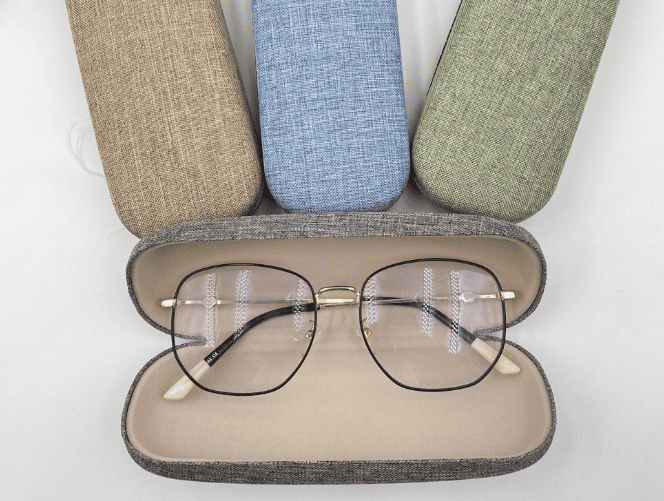
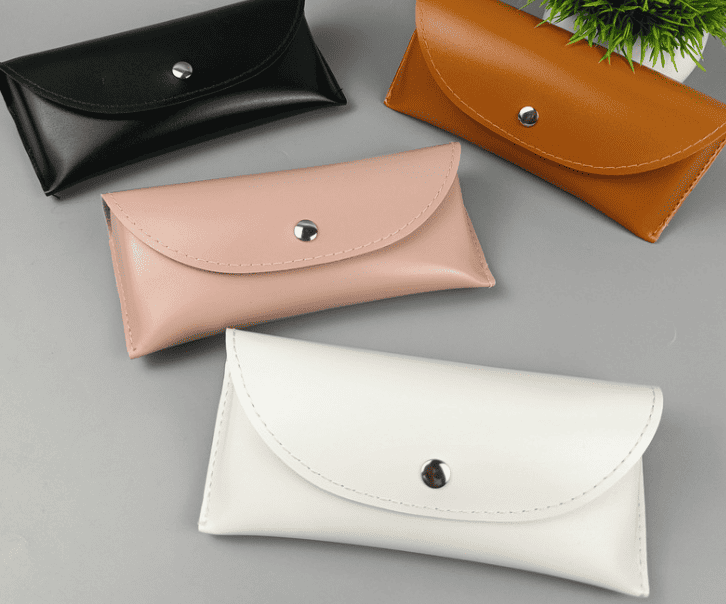
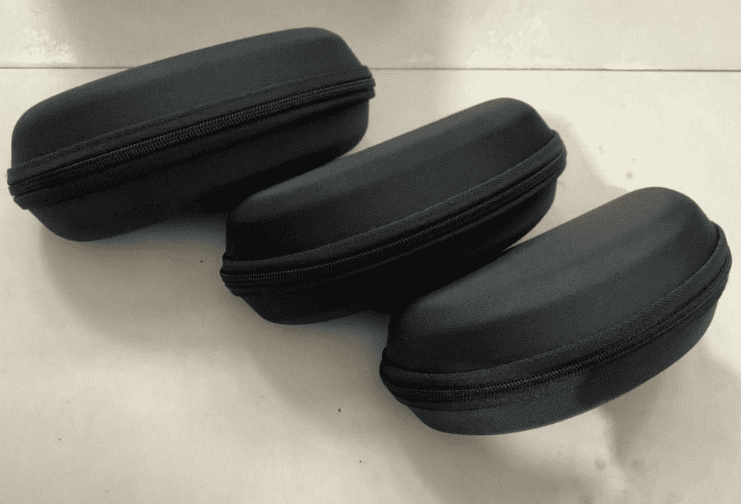
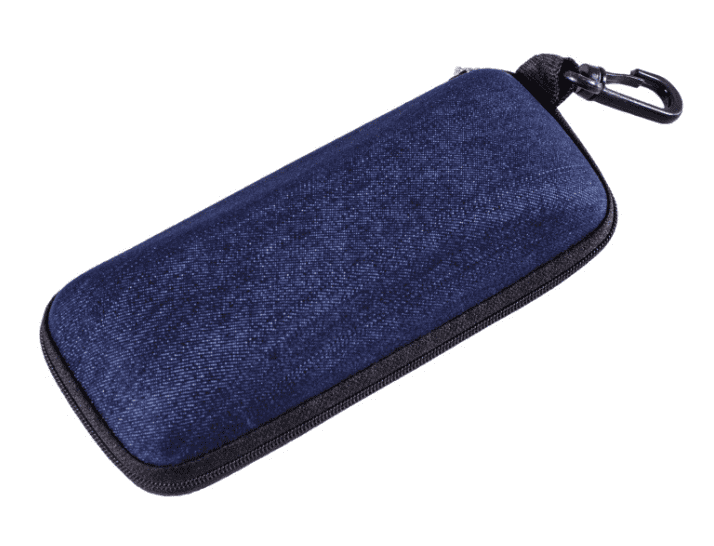
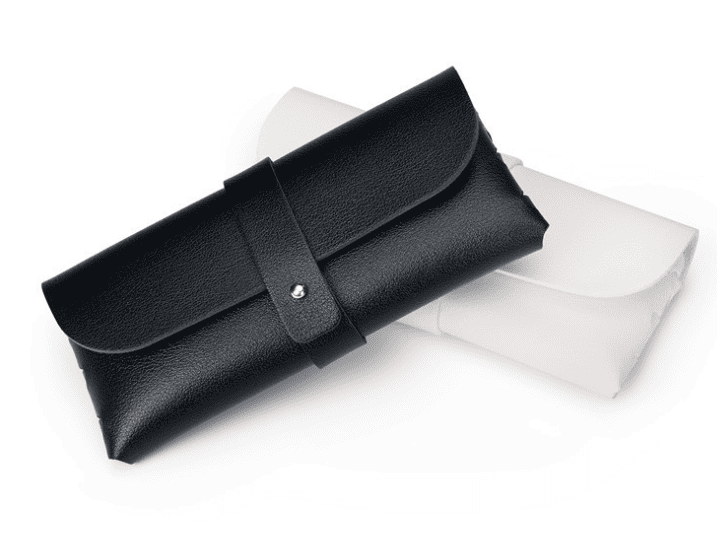
Packaging is crucial for showcasing and safeguarding products, especially fragile items like sunglasses. It’s key to recognize that not all sunglasses manufacturers offer custom packaging. Thus, if unique packaging for eyewear is needed, seeking out specific packaging suppliers is essential.
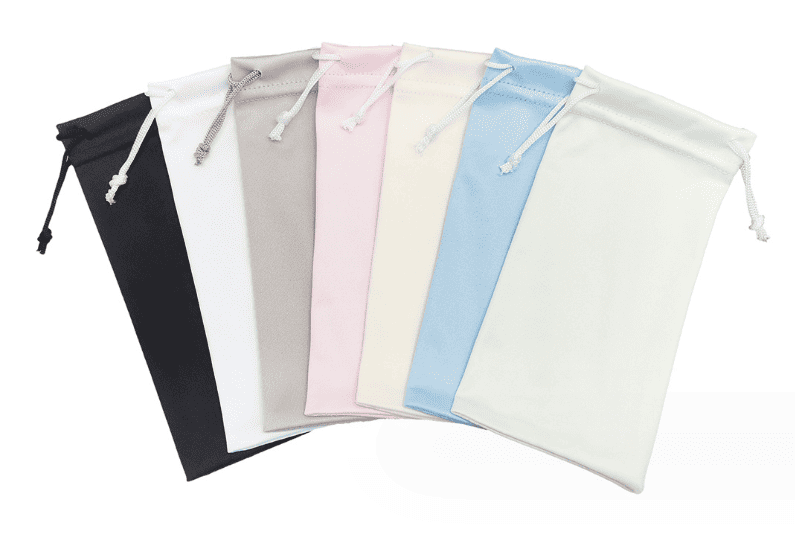
There are mainly two types of eyewear packaging: cases and pouches. Materials for cases often include plastic, paper, metal, leather, or EVA. Pouches, on the other hand, are usually made from cloth or leather.
The price of these packaging solutions can vary greatly, depending on the materials. To help understand this better, I’ve put together a list of various common types of cases and pouches, with their price ranges, to aid in selecting the right packaging for your eyewear.
6. Shipping cost calculating
In sunglasses production, packaging methods differ, but it’s common to find each pair in an Oriented Polypropylene (OPP) bag, with 20 pairs in a box and typically 500 pairs (25 boxes) per carton. However, this is not standard for all manufacturers, as some may pack 600 pairs in a carton, while others pack 400 pairs.
To give a real-world example, I will recount my experience helping a client buy sunglasses. This story will clarify how these packaging differences can influence the buying and shipping process.
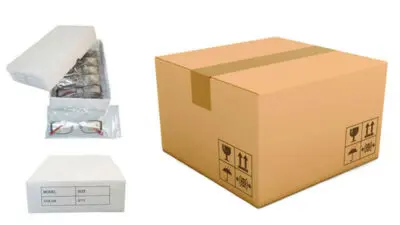
Usually, a batch of 500 sunglasses pairs has a weight of about 16kg and takes up roughly 0.08 cubic meters (CBM).
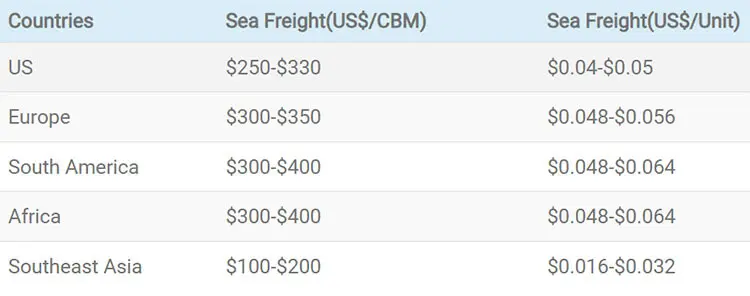
To get a practical sense of the shipping fees, see Table 1 below.
This table helps estimate the express delivery costs of sunglasses to different countries.
It also offers detailed insights into Less than Container Load (LCL) shipping prices, covering all related expenses.
This information is valuable for understanding the cost of shipping small quantities of goods internationally.
Now, you can get started!
I trust that this detailed guide will streamline your process of importing sunglasses from China to your country.
Should you encounter any difficulties or uncertainties after reading this article, please feel free to leave a comment expressing your concerns. Alternatively, you can contact us for assistance in sourcing and customizing sunglasses from China. We’re here to help ensure your experience is as smooth and successful as possible.