
Embarking on a fashion venture? Whether you’re just starting out or already have your foot in the door, the importance of clothing labels cannot be understated. These small yet significant tags are more than mere fabric pieces; they are a testament to your brand’s commitment to quality and transparency. A well-designed, accurate label reassures your customers, instilling confidence in their purchase decisions.
What are clothing labels?
In the world of fashion, clothing labels are much more than just tags attached to garments. Think of them as the unique identifiers of your clothing line, akin to a passport providing essential details. Each label on a garment serves a distinct purpose. From brand and product names to fabric composition and size, these labels are the storytelling elements of your clothing, offering vital information to consumers.
But it’s not just about practicality. Clothing labels can also be a canvas for creativity, adding an elegant and stylish touch to your designs. The diversity in materials used for these labels – from the sleekness of metal and plastic to the softness of satin – opens up a myriad of design possibilities. And the craftsmanship? It ranges from the precision of printing and embroidery to the intricacy of weaving, each method adding its own unique flair.
Three necessary labels for clothing
Main label
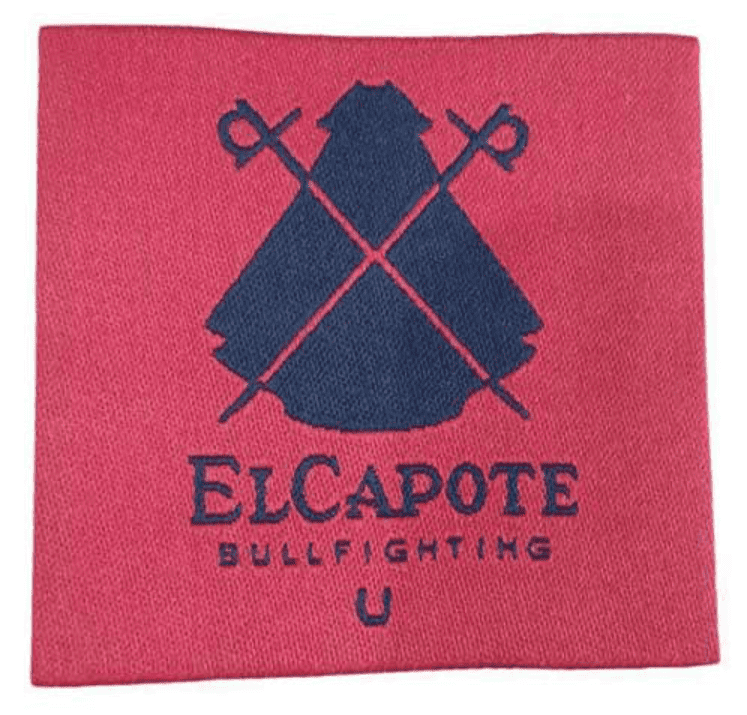
The main label on a piece of clothing, often referred to as the brand label, is a key component that usually includes the following information:
- Brand Name: This is perhaps the most prominent feature on the main label. It displays the name of the brand or designer. This is an important aspect of brand identity and recognition for consumers.
- Logo or Trademark: Many brands also include their logo or trademark symbol on the main label. This visual representation is an important part of the brand’s image.
- Country of Origin: The main label may also mention where the garment was made. This information is often required by law in many countries.
The main label is usually located at the back of the neck or at the side seam of the garment and is made from materials that are durable and comfortable against the skin. It’s an important part of the garment’s branding and marketing, helping to establish the garment’s identity and align it with the brand’s overall image and reputation.
Care label
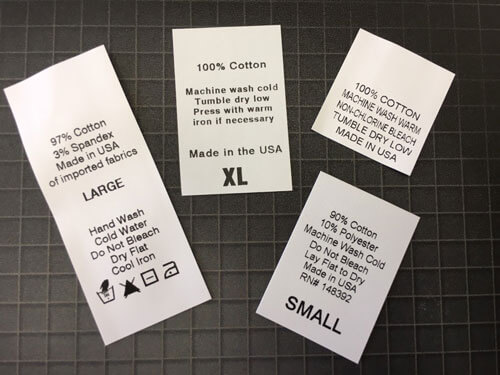
The care label on a piece of clothing provides important instructions on how to properly maintain and clean the garment. Key elements typically found on a care label include:
- Washing Instructions: Symbols or text indicating the recommended washing method (machine wash, hand wash, or dry clean) and the appropriate water temperature.
- Bleaching Guidelines: Instructions on whether bleach can be used on the garment.
- Drying Instructions: Information on how to dry the item, including whether it’s safe to use a tumble dryer and at what temperature, or if air drying is recommended.
- Ironing Instructions: Guidelines on ironing temperatures and techniques, indicating the heat level that can be safely applied.
- Special Care Information: Any additional care instructions, such as “do not wring,” “lay flat to dry,” or specific warnings against certain cleaning methods.
Care labels are crucial for consumers to maintain their clothes properly, helping to ensure that the garments retain their shape, color, and texture over time. They are usually found sewn into the seam, inside the garment, and are made from materials that are durable and can withstand repeated washing and drying.
Size label
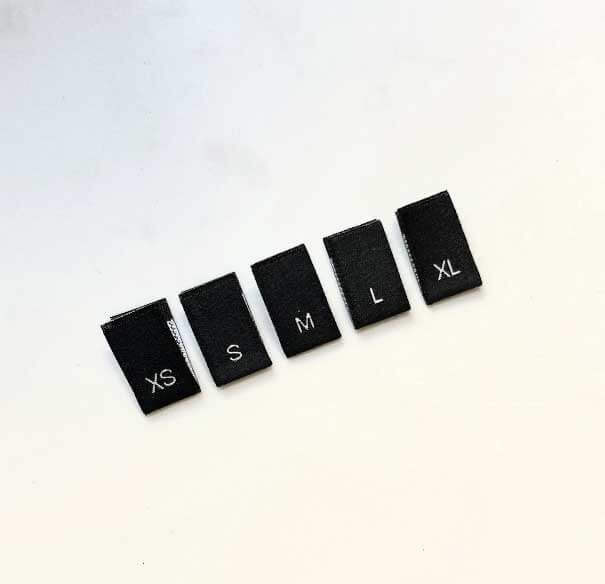
The size label on clothing provides crucial information about the garment’s measurements and fit. It typically includes the following details:
- Size Indication: This is the most prominent feature of a size label, showing the size of the garment. It can be in various forms such as S (small), M (medium), L (large), XL (extra-large), or numerical values, which may vary depending on the region (like US, EU, UK sizes).
- Age or Body Measurements (for children’s clothing): In children’s wear, the size may be indicated by age range (e.g., 3-4 years) or by body measurements (height, chest, waist, etc.).
- Fit Type (sometimes): Some garments also include information about the fit (like slim, regular, relaxed) to give a better idea of the overall style and shape of the garment.
Size labels are essential for consumers to find clothing that fits well. They are usually made from soft, non-irritating materials and are placed in easily accessible spots like the inside of the garment’s neck, waistband, or along a side seam. The size label helps streamline the shopping experience and is particularly important in regions with standardized sizing systems.
Every garment essentially includes three key labels, each distinguished by its function. Beyond these, clothing labels vary based on their production methods, materials used, and placement. Let’s explore these varieties.
Other 6 common types of clothing labels
Woven label
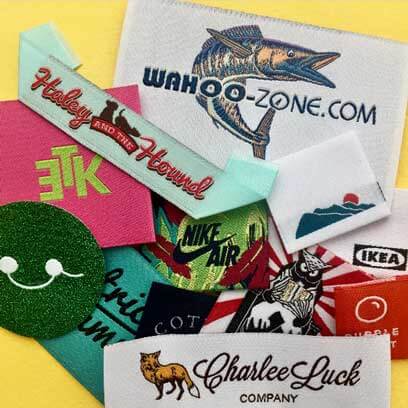
A woven label is a type of label sewn into clothing or textiles, offering both functional and branding purposes. Here’s what distinguishes woven labels:
- Material and Manufacturing: Woven labels are made by weaving threads together, typically using polyester or cotton. This weaving process allows for high durability and a quality feel, making them less likely to fade or wear out compared to printed labels.
- Content: Like other types of labels, woven labels can display brand names, logos, size, care instructions, or fabric content. The detail and precision in weaving allow for clear, intricate designs and text.
- Appearance and Texture: Woven labels have a distinctive, often premium look and can feature a variety of colors and textures. The edges are usually soft or folded to prevent irritation when in contact with skin.
- Placement: They are commonly placed at visible spots like the neck area or waistband, serving as a subtle branding tool. However, their placement can vary depending on the garment and brand preference.
- Customization and Branding: Brands often use woven labels for a more upscale, professional appearance. The labels can be customized in various shapes, sizes, and colors to align with brand identity.
Woven labels are favored for their durability and high-quality appearance, making them a popular choice for clothing brands that aim to convey a sense of elegance and longevity in their products.
Printed label
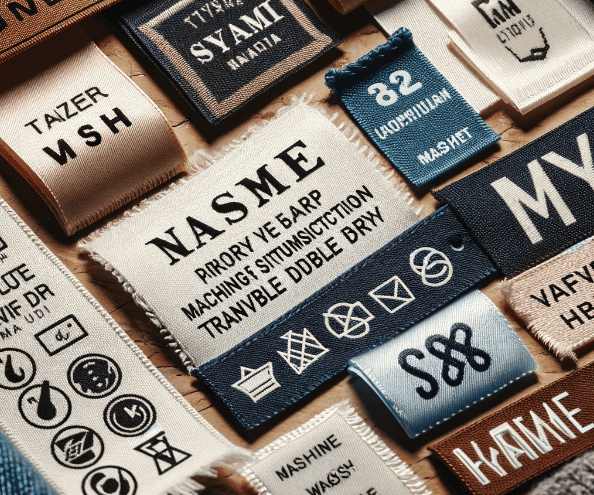
Printed labels on clothing are another common type of label that provides essential information about the garment. Unlike woven labels, printed labels have their information directly printed onto the fabric. Here are some key characteristics:
- Material: Printed labels are often made from various types of smooth fabrics such as satin, tyvek, or taffeta. The material is chosen for its ability to hold ink without smudging or fading quickly.
- Content: They typically include information like brand name, size, care instructions, fabric content, and country of origin. The information is printed in ink directly onto the label’s surface.
- Durability: While they are generally durable, the print on these labels may fade over time with repeated washing and wear, faster than woven labels.
- Comfort: Printed labels are usually very soft and less likely to irritate the skin, making them a good choice for garments worn close to the skin.
- Cost-Effectiveness: They are often more cost-effective to produce than woven labels, making them a popular choice for brands looking to reduce costs.
- Flexibility in Design: Printed labels can include detailed designs and a wide range of colors, fonts, and logos. They offer a high level of customization.
Printed labels are widely used in the clothing industry, especially for garments where a smooth label is desired to minimize skin irritation, or when intricate designs or a lot of text is required on the label.
Tagless label
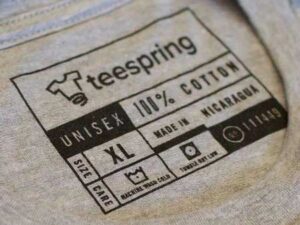
Tagless labels, also known as heat transfer labels, have gained popularity in the clothing industry for their comfort and convenience. Here’s an overview:
- Method of Application: Unlike traditional sewn-in labels, tagless labels are applied directly to the fabric of the garment through a heat transfer process. A special heat-sensitive adhesive is used to bond the label’s design onto the fabric.
- Content: Like other labels, tagless labels can include information such as the brand name, size, care instructions, and fabric content. However, since they are directly on the garment, there’s typically less space for detailed information.
- Comfort: One of the main advantages of tagless labels is the increased comfort they offer. They eliminate the itchiness or irritation that can sometimes be caused by sewn-in labels, making them especially popular in sportswear and children’s clothing.
- Durability: These labels are designed to withstand washing and drying, but the longevity of the print can vary depending on the quality of the application and the conditions of laundering.
- Aesthetic and Branding: Tagless labels provide a clean, seamless look inside the garment. They can be designed with various colors and fonts, allowing for brand consistency and recognition.
- Environmental Consideration: By eliminating the need for additional material for sewn-in labels, tagless labels can be seen as a more environmentally friendly option.
Tagless labels are a modern solution to the traditional sewn-in clothing label, offering both functional and aesthetic benefits while enhancing wearer comfort.
Hang tag
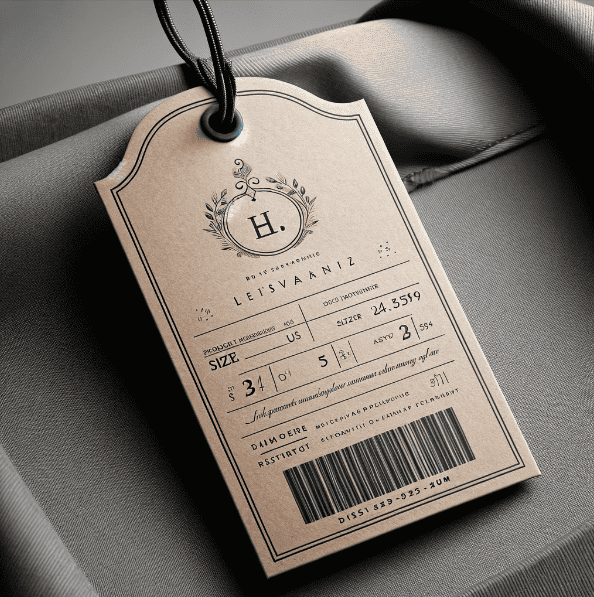
A hang tag is a type of label that is attached to clothing and other items for sale. Unlike sewn-in labels, hang tags are not meant to be permanent and are usually removed before the item is used. Here’s a brief overview:
- Material and Design: Hang tags are typically made of cardstock or other durable paper materials. They can come in various shapes, sizes, and colors, often designed to reflect the brand’s aesthetic and values.
- Information Included: Hang tags can provide a range of information including the brand name, logo, product name, size, price, barcode for scanning at checkout, care instructions, fabric content, and sometimes marketing messages or product stories.
- Branding and Marketing Tool: Hang tags serve as an important branding and marketing tool. They often include unique designs, textures, or even special features like embossing or foil accents to make the product stand out.
- Attachment: They are usually attached to the product with a plastic fastener or a string, making them easy to remove.
- Environmental Considerations: Some brands opt for eco-friendly materials for their hang tags as part of their commitment to sustainability.
Hang tags play a key role in the retail experience, offering an additional touchpoint for brands to connect with customers and convey important product information. They are especially crucial in a physical retail environment where they can influence purchasing decisions.
Flag label
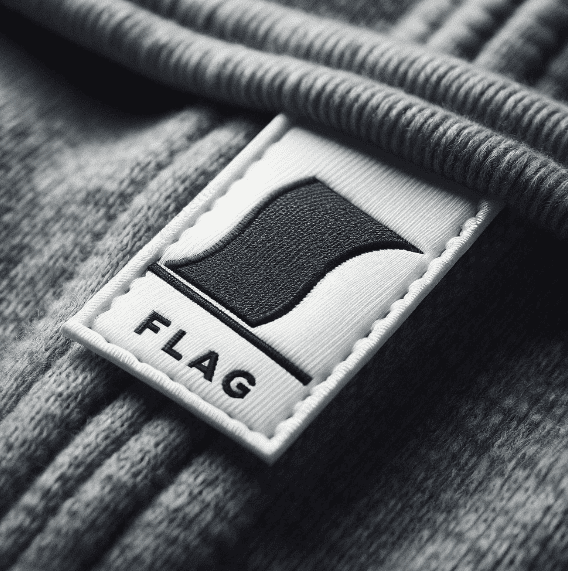
A flag label, often found in clothing and other textile products, is a small label that hangs off the seam of the garment. Here are its key features:
- Design and Shape: As the name suggests, a flag label resembles a flag’s shape. It’s a small, often rectangular tag that extends out from the seam.
- Placement: Flag labels are typically sewn into the side seam, sleeve, or the bottom hem of the garment.
- Content: These labels can display various types of information such as the brand logo, size, fabric content, or country of origin. The information is usually brief due to the label’s small size.
- Material: Made from fabric like cotton, polyester, or satin, flag labels are designed to be durable and withstand regular wear and washing.
- Purpose: The primary function of a flag label is branding. It offers an additional spot for a brand to showcase its logo or other brand markers in a subtle, yet visible way.
Flag labels are a discreet yet effective branding tool, adding a touch of identity to the garment without being overly intrusive.
Leather label
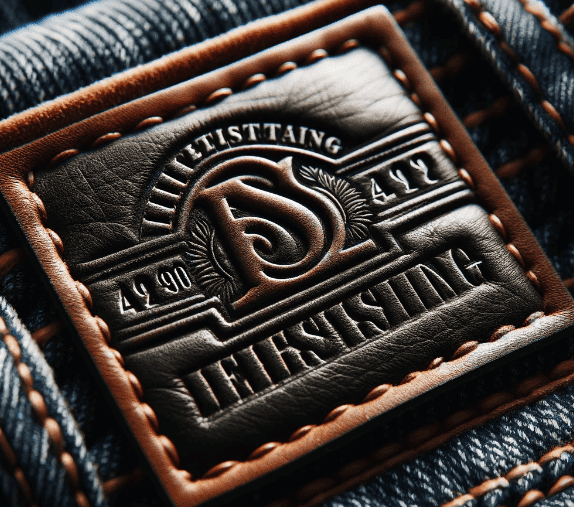
Leather labels are a distinctive type of label often used in the fashion industry, particularly on denim jeans, jackets, and other premium products. Here are their key characteristics:
- Material: True to their name, these labels are made from genuine leather, though synthetic leather options are also common. The choice between genuine and synthetic leather can depend on cost, ethical considerations, and desired durability.
- Design and Texture: Leather labels can be embossed, debossed, or printed with brand logos, names, and other information. The texture of leather adds a unique, tactile quality to the label, which can be a significant aspect of the product’s overall aesthetic.
- Durability: Leather is a highly durable material, resistant to wear and tear, which makes these labels long-lasting. However, the way they age can vary, with genuine leather developing a patina over time.
- Application: They are commonly found on the back waistband of jeans, but can also be seen on the sleeves, hems, or inside of leather goods and outerwear.
- Branding: Leather labels are a popular choice for brands looking to convey a sense of quality and luxury. The use of leather as a labeling material itself can be a significant part of a brand’s identity, especially in premium or rugged product lines.
- Care: Leather labels require different care than fabric labels, especially if they are genuine leather. They may need to be conditioned or protected from certain cleaning chemicals.
Leather labels stand out for their aesthetic appeal and durability, offering a distinct branding element to high-quality garments and accessories.
How to make your customized clothing labels
Custom clothing labels are a popular choice for brands aiming to stand out and captivate their customers. If you have your own idea and know what it should be like, you can provide a sketch to your supplier, and let them contact the factory to produce it. Alternatively, if your ideas are still forming, simply provide a concept or an image, and your supplier can handle the design. You’ll have the opportunity to fine-tune the design until it aligns with your vision, after which production can commence.
The cost of custom labels is influenced by factors like quantity, material, size, and the manufacturing techniques employed, as well as your choice of factory.
For those who prefer a hands-off approach, sourcing agents are a valuable resource. They’re particularly useful when dealing with minimum order quantities (MOQs) — a common hurdle with factories. If your order is small, sourcing agents, with their network of suppliers, can negotiate competitive prices even with smaller factories.
Moreover, sourcing companies offer comprehensive services beyond just labels, covering all aspects of clothing importation including purchase, customization, quality checks, and logistics. Engaging a sourcing company can be a strategic move for business expansion.
The end
Welcome to Zingsourcing, a premier sourcing partner based in China. Our expertise lies in assisting numerous clients to source and customize products at competitive prices. With our team of skilled agents, we streamline communication and effortlessly navigate the complexities of importing from China. If you’re looking to source products from China, we invite you to connect with us for unparalleled service and support.”