
Have you ever found yourself wondering about the terms OEM and ODM in the business world? You’re not alone. These two acronyms pop up frequently, especially in international trade, and it’s easy to get them mixed up. In this blog, I’m going to demystify these crucial concepts for you.
First, let’s dive into what OEM (Original Equipment Manufacturer) and ODM (Original Design Manufacturer) really mean. These aren’t just jargon; they represent two widely-used business models in our industrial society. I’ll walk you through some typical examples to illustrate how they work in real-world scenarios.
But that’s not all. I also want to help you make informed decisions when selecting OEM and ODM services and suppliers. Choosing the right partner can make a huge difference in your business success, and I’ve got some practical tips and insights to share. So, let’s get started and unravel these terms together!
In-Depth Exploration of OEM in Business (With Examples)
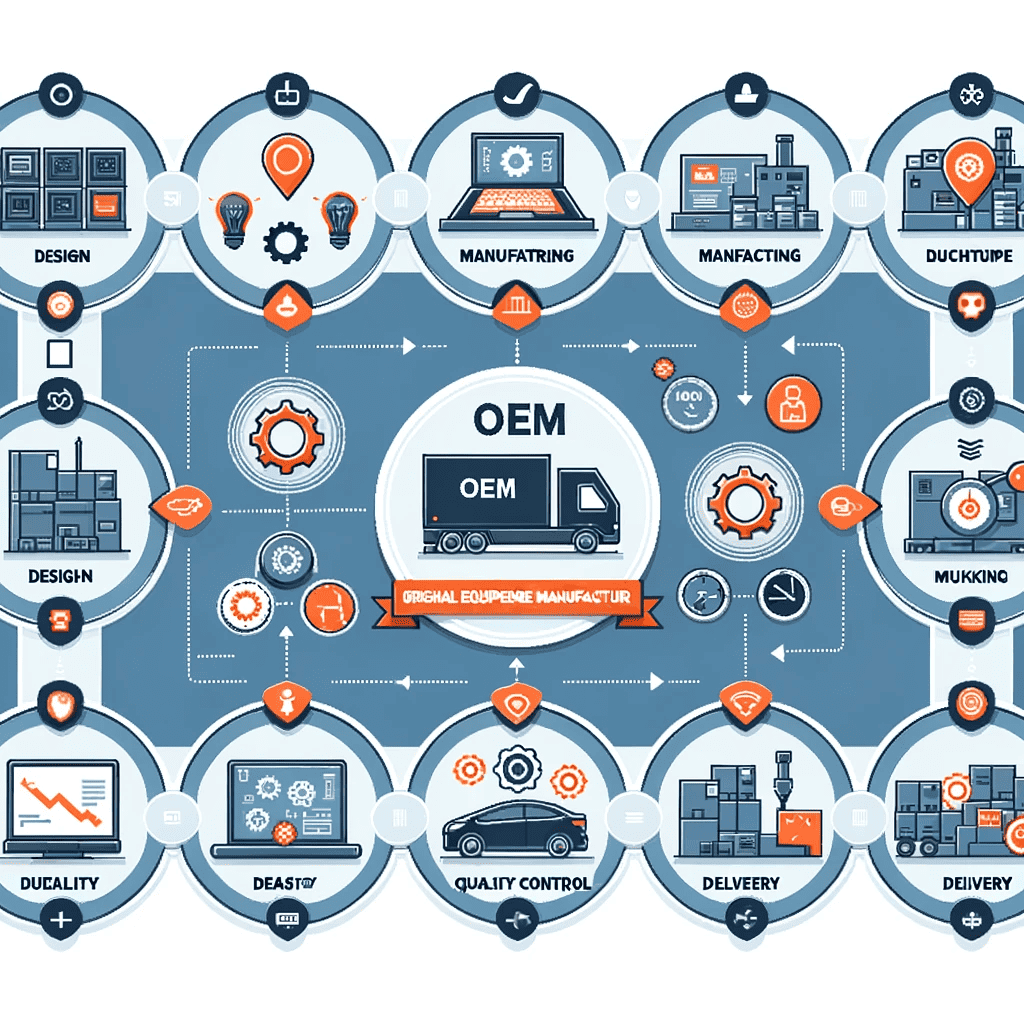
The term “Original Equipment Manufacturer,” commonly known as OEM, represents a pivotal element in the global supply chain. An OEM is typically a company whose products are used as components in another company’s product, eventually sold to end users under the latter’s brand name. This intricate relationship is fundamental in various industries, from electronics to automotive, where the final product is a mosaic of parts sourced from different OEMs.
The Role of OEMs in Modern Business
OEMs are often the unsung heroes in the product lifecycle. They operate predominantly behind the scenes, focusing on the production of specific parts or entire products, which are then incorporated into the final offerings of well-known brands. This arrangement allows brands to leverage specialized manufacturing expertise without investing heavily in setting up production facilities for each component.
Real-World Examples of OEM Relationships
- Electronics Industry: A classic example can be found in the smartphone market. Apple Inc., a giant in the tech industry, sources multiple components from OEMs worldwide for its iPhone series. For instance, the display screens of several iPhone models are manufactured by Samsung, a competitor in the smartphone market yet a crucial OEM partner for Apple. This collaboration highlights the intricate, interconnected nature of the OEM business model.
- Automotive Sector: In the automotive industry, OEMs play a significant role. Car manufacturers like Ford or Toyota, while known for their brand and final product, rely heavily on OEMs for various components — from brake systems provided by companies like Bosch to infotainment systems developed by tech firms like Panasonic. This relationship is key to maintaining the quality and performance of the vehicles while allowing car manufacturers to focus on design, assembly, and branding.
Original Design Manufacturer (ODM): A Deep Dive into Its Role and Impact
When we talk about Original Design Manufacturers (ODMs), we’re referring to a critical yet often overlooked player in the manufacturing world. ODMs are companies that not only manufacture products but also take on the pivotal role of designing them. The uniqueness of ODMs lies in their ability to provide end-to-end solutions — from conceptualizing a product to producing it, all tailored to the specifications of another company that eventually sells it under their brand.
Exploring the ODM Business Model
ODMs are more than just manufacturers; they are innovators and creators. They offer a comprehensive package that includes product development, design, testing, and manufacturing. This model is particularly attractive for brands that either lack in-house design capabilities or seek to outsource this function to reduce costs and streamline operations.
ODMs in Action: Real-Life Examples
- Consumer Electronics: In the realm of electronics, ODMs are a driving force. Consider the case of laptops and tablets. Brands like HP, Dell, and Lenovo often turn to ODMs for the creation and production of their devices. Quanta Computer, a Taiwan-based ODM, is a prime example. They’re responsible for producing a significant portion of the world’s laptops, working closely with leading brands to bring these devices to market.
- Sporting Goods: The sporting goods sector also benefits from ODM services. Many popular sports brands rely on ODMs to design and manufacture their equipment, from golf clubs to fitness machines. This collaboration allows sports brands to focus on branding and marketing while ensuring high-quality, innovative products.
Original Brand Manufacturer (OBM): An In-Depth Look at the Complete Product Lifecycle
In the intricate world of manufacturing and branding, the term Original Brand Manufacturer (OBM) holds a significant place. OBM refers to companies that not only design and manufacture products but also market them under their own brand name. This comprehensive approach to product development allows for a high degree of control over every aspect of the product’s journey, from conception to consumer.
The Essence of OBM: Complete Control and Brand Identity
OBMs represent the epitome of product ownership. Unlike OEMs or ODMs, these manufacturers take charge of the entire process.
- Design and Innovation: OBMs are the birthplace of product ideas. They conceptualize and design products, often focusing on innovation to distinguish their offerings in the market.
- Manufacturing Excellence: After the design phase, OBMs manufacture these products in their own facilities. This direct involvement in manufacturing ensures that the product aligns with the company’s quality standards and vision.
- Branding and Marketing: The final, yet crucial, phase is bringing the product to market under their brand. This involves strategic marketing efforts to establish a strong brand presence and connect with the target audience.
OBM in Various Industries: Examples of Success
- Consumer Electronics: Apple Inc. is a quintessential OBM. They design, manufacture, and market their products, ensuring a high level of quality and brand consistency. This approach has not only led to innovative products like the iPhone and MacBook but also a strong brand loyalty.
- Fashion and Apparel: Nike is another example of an OBM. They design, create, and sell their athletic wear and accessories, maintaining a robust brand image and customer loyalty.
Unraveling the Differences: OEM vs. ODM in Business
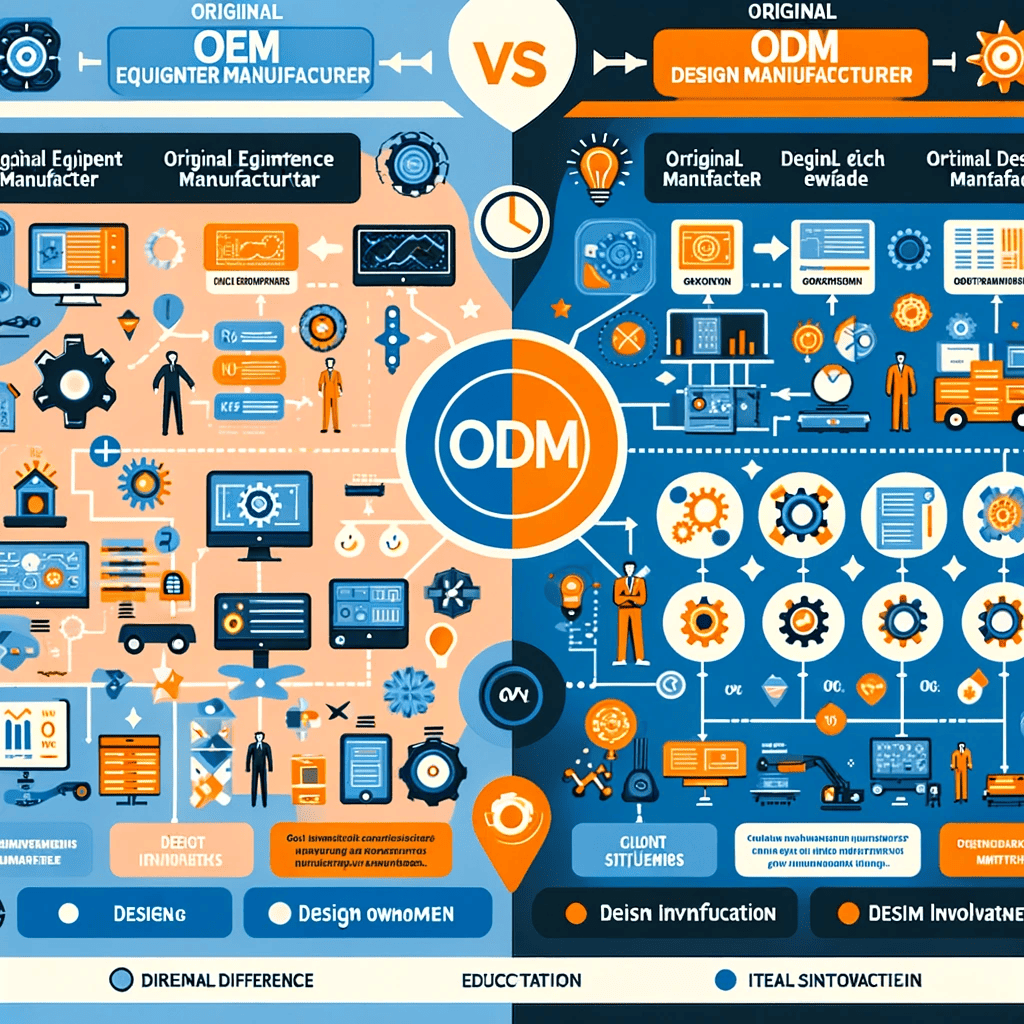
In the complex landscape of manufacturing and product development, understanding the distinction between Original Equipment Manufacturer (OEM) and Original Design Manufacturer (ODM) is crucial. Though they may sound similar, their roles, services, and ideal client profiles differ significantly.
OEM: Focused on Manufacturing Expertise
OEMs are companies that excel in manufacturing. They are the go-to for businesses that have developed their product designs but need a reliable partner to handle the production. The core of an OEM’s service is to take these designs and transform them into tangible products. This model is particularly beneficial for companies that possess strong R&D capabilities but lack the infrastructure or expertise to produce in large quantities.
Key Characteristics of OEM:
- Manufacturing as per Client’s Design: OEMs strictly follow the design specifications provided by their client.
- Quality and Efficiency in Production: They ensure high-quality production and are capable of handling large-scale manufacturing efficiently.
- Client Retains Design Control: The client company maintains full control over the design and intellectual property.
ODM: The All-in-One Solution
In contrast, ODMs are companies that provide a comprehensive service – they not only manufacture products but also take on the responsibility of designing them. This is ideal for businesses looking for a full-package service, where they can outsource both the design and manufacturing aspects. ODMs are often used by companies that want to expand their product line but lack the internal resources for design and development.
Key Characteristics of ODM:
- Design and Manufacturing Expertise: ODMs bring both design and production capabilities to the table.
- Reduced Time and Investment in R&D: They allow client companies to bypass the time-consuming and costly process of product development.
- Standardization with Customization: ODMs often offer a balance of standardized product designs with room for minor customizations.
Deciding Between OEM and ODM: A Strategic Choice
The choice between OEM and ODM services depends heavily on a company’s internal capabilities and business strategy. Companies with robust design teams but limited manufacturing capacity may lean towards OEM partnerships. On the other hand, businesses seeking to quickly launch products without investing in R&D may find ODMs more suitable.
In-Depth Analysis: Pros and Cons of OEM and ODM
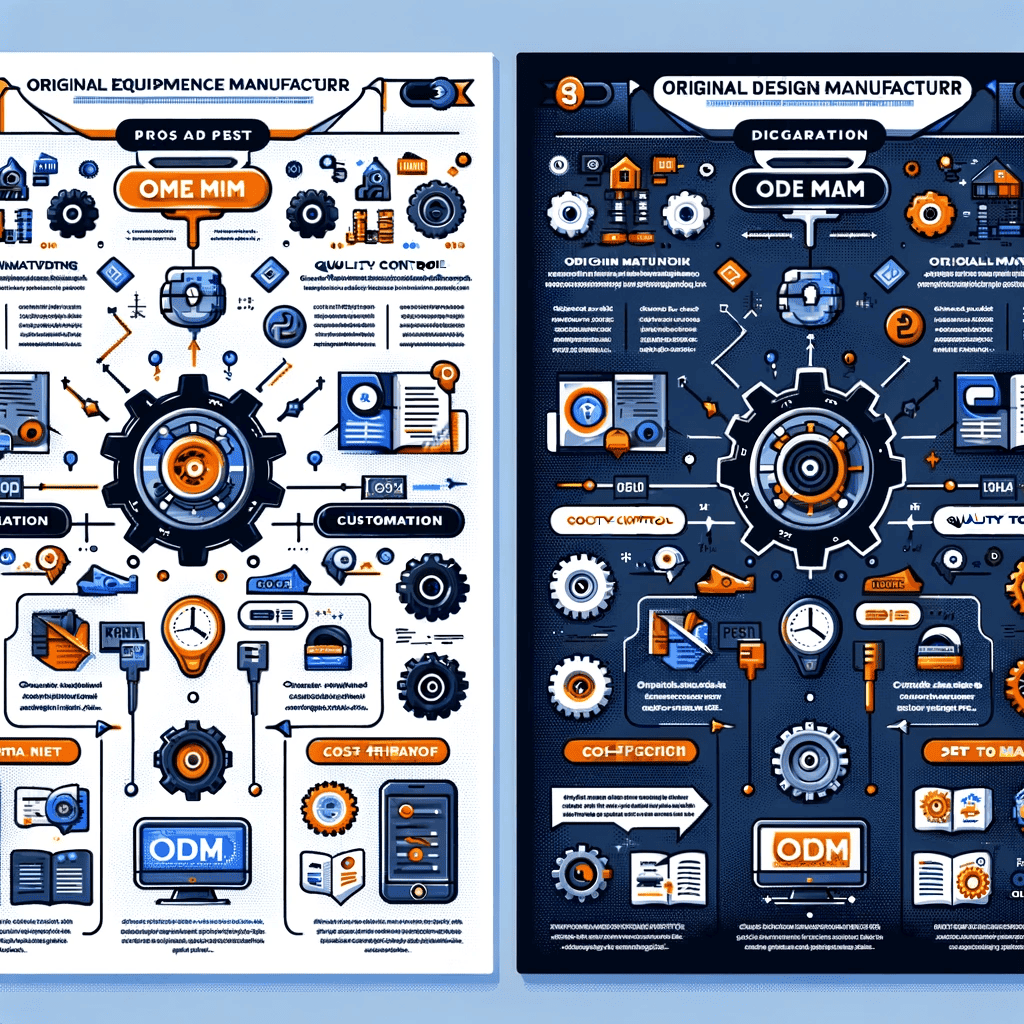
When navigating the complex world of manufacturing partnerships, it’s crucial to understand the distinct advantages and disadvantages of both Original Equipment Manufacturer (OEM) and Original Design Manufacturer (ODM) models. Each has its own set of benefits and challenges, catering to different business needs and strategies.
Advantages of OEM
- High-Level Customization:
- OEMs offer unparalleled customization options. Clients can bring their unique designs and specifications, which the OEM will adhere to, resulting in a product that aligns perfectly with the brand’s vision and customer expectations.
- This level of customization allows for differentiation in the market, essential for brands that thrive on uniqueness and innovation.
- Enhanced Quality Control:
- Working with an OEM means having a greater degree of control over the manufacturing process. Clients can enforce their quality standards, conduct inspections, and ensure that the product meets their requirements every step of the way.
- This advantage is crucial for products where quality is non-negotiable, such as in medical devices or high-end electronics.
Disadvantages of OEM
- Increased Costs:
- The customization that OEMs offer comes at a price. Developing unique designs and prototypes can be more expensive, reflecting in the overall cost of the product.
- For businesses operating on tight budgets or in highly price-competitive markets, these costs can be a significant hurdle.
- Time-Consumption in Design and Prototyping:
- The process of designing, prototyping, and finalizing a product with an OEM can be time-consuming. This extended timeline can be a drawback for companies looking to quickly launch a product or respond to market trends.
Advantages of ODM
- Cost-Efficiency in Design and R&D:
- ODMs significantly reduce the costs associated with design and research & development. Since ODMs already have designs and prototypes ready, companies can bypass these stages, resulting in lower overall expenditure.
- This cost-efficiency is particularly beneficial for smaller companies or startups that may not have extensive R&D resources.
- Quicker Time to Market:
- With design and prototyping stages already handled, products can be manufactured and launched into the market much faster when working with an ODM.
- This speed is a major advantage in industries where trends change rapidly, like fashion or consumer electronics.
Disadvantages of ODM
- Limited Customization Options:
- While ODMs offer efficiency, they often provide limited scope for customization. Companies might find themselves restricted to tweaking existing designs, which can limit product differentiation.
- This limitation can be a significant drawback for brands whose value proposition is based on unique product features or design.
- Risk of Brand Dilution:
- Working with ODMs carries the risk of product similarities across different brands, as ODMs may offer similar designs to multiple clients.
- This scenario can lead to a dilution of brand identity and a challenge in maintaining a unique position in the market.
Making the Right Choice: Selecting Between OEM and ODM Services
Deciding whether to partner with an Original Equipment Manufacturer (OEM) or an Original Design Manufacturer (ODM) is a pivotal strategic decision for any company involved in product development and manufacturing. This choice should be guided by a careful assessment of your company’s unique needs, capabilities, and long-term objectives.
Assessing Your Company’s Needs
- Understanding Your Design Capabilities:
- If your company boasts a strong in-house design and research team, capable of creating innovative and unique product designs, an OEM partnership might be more appropriate. This approach allows you to leverage your design strengths while relying on the OEM’s manufacturing expertise.
- Conversely, if your company’s strength lies more in brand development and marketing rather than design, an ODM could be the right choice. ODMs can handle both the design and manufacturing, freeing you to focus on branding and market expansion.
- Evaluating Budget Constraints:
- Budget considerations are critical. If budget constraints are tight, an ODM might offer a more cost-effective solution, as it reduces the expenses associated with design and development.
- For OEMs, while the cost might be higher due to the need for unique designs and prototypes, this can be justified if the end product demands distinctiveness and high customization.
- Time to Market Considerations:
- In fast-paced industries where getting to market quickly is essential, ODMs can offer a significant advantage due to their ready-to-produce designs.
- With OEMs, the time from design to production can be longer, which might not align with industries that operate on rapid product life cycles.
- Level of Control Over Manufacturing:
- If maintaining strict control over the manufacturing process, ensuring that every detail aligns with your specifications and quality standards, is crucial, then partnering with an OEM is ideal.
- With ODMs, you might have to compromise on some level of control, as they use their existing designs and manufacturing processes.
Strategic Considerations
- Market Differentiation: If your brand’s value proposition is heavily reliant on unique products, OEM is the way to go. For brands where the product is one aspect of the overall value proposition, and speed and cost are more critical, ODM services might be more appropriate.
- Long-Term Goals: Consider your company’s long-term strategy. Are you looking to build a brand known for innovation, or are you aiming to capture market share quickly with more standardized products?
Choosing the Right OEM and ODM Partner: A Personal Guide
When I first ventured into the world of product manufacturing, I quickly learned that finding the right OEM or ODM partner was crucial. It’s like looking for a reliable co-pilot in an intricate journey of bringing a product to life. From my experience, here’s what really matters when you’re on this path.
It’s All About Capability and Flexibility
Think of a time you walked into a place and instantly knew they were top-notch at what they do. That’s the feeling you want when you visit a potential supplier’s facility. It’s not just the size or the number of machines; it’s about seeing a place buzzing with activity, where they’re capable of handling your current needs and also adaptable for your future growth. It’s like finding a team that’s ready to run the marathon with you, not just a sprint.
Quality Isn’t Just a Buzzword; It’s Their Culture
I’ve seen that quality isn’t just about the final product. It’s about how everyone in the company, from the floor worker to the CEO, takes pride in their work. A good supplier doesn’t just perform quality checks; they build quality into every step of their process. It’s like cooking a great meal; the best chefs don’t just taste the dish at the end. They ensure every ingredient is top-notch.
Clear Communication Is a Game-Changer
You know how frustrating it is when someone doesn’t respond to your texts or calls? It’s the same with suppliers. You need a partner who’s transparent and communicates clearly and regularly. This is crucial, especially when unexpected issues pop up. It’s about building a relationship where you’re always in the loop, never left guessing.
Their Track Record Tells a Story
I always say, “Show me, don’t just tell me.” A supplier’s history is a treasure trove of information. Look for testimonials, case studies, and past projects. It’s like reading reviews before choosing a restaurant. You want to know they’ve consistently delivered great service and products.
Looking Beyond: Innovation and Efficiency
In today’s fast-paced world, a supplier who brings innovative solutions to the table is invaluable. Also, how they handle their supply chain can make a huge difference in efficiency and cost. It’s like choosing a smartphone; you want one that’s not just good at making calls but also smart enough to make your life easier.
So, when you’re out there looking for that perfect manufacturing partner, remember it’s about finding a team that aligns with your values, understands your vision, and is ready to journey with you in turning your ideas into reality. Trust me, when you find the right one, it makes all the difference.
Frequently Asked Questions About OEM and ODM
Navigating the world of OEM (Original Equipment Manufacturer) and ODM (Original Design Manufacturer) can often bring up questions. Let’s dive into some of the most common inquiries with detailed, easy-to-understand answers.
Can the Same Company Offer Both OEM and ODM Services?
Q: Is it common for manufacturers to provide both OEM and ODM services? A: Absolutely! Many manufacturers in the industry are versatile enough to offer both. Think of it like a restaurant that caters both à la carte and buffet. An OEM service is like the à la carte menu where you can bring your recipe (design), and they’ll cook it for you. On the other hand, ODM is like a buffet with a range of pre-cooked dishes (pre-designed products) you can choose from and brand as your own. Companies that offer both services are equipped to either work with your unique design (OEM) or provide you with a comprehensive design and manufacturing solution (ODM).
Is ODM More Cost-Effective Than OEM?
Q: When it comes to cost, how does ODM compare to OEM? A: Generally speaking, ODM can be more cost-effective than OEM, and here’s why. In the ODM model, the cost of designing and developing a product is typically lower. This is because ODM suppliers have pre-designed and tested products ready to go, which cuts down on the time and money spent in the development phase. It’s akin to buying a house that’s already built and furnished, as opposed to building and furnishing it from scratch (which would be the OEM route). However, it’s important to remember that “cost-effective” doesn’t necessarily mean “cheap.” The final cost will also depend on the product’s complexity, materials used, and the quantity being produced.