
In the intricate world of product sourcing, Minimum Order Quantity (MOQ) plays a pivotal role. Often set by suppliers as a precondition for order fulfillment, MOQ is a critical element to consider in your procurement strategy. This article delves into the essentials of MOQ, providing you with comprehensive insights to make informed purchasing decisions. Join us as we unravel the nuances of MOQ, guiding you towards smarter, more efficient sourcing choices.
What is MOQ?
When navigating the intricate world of business transactions, the concept of Minimum Order Quantity (MOQ) often emerges as a pivotal point of discussion. Its relevance spans across various facets of business, notably in supply chain management and e-commerce sectors. In this detailed exploration, we’ll dissect the essence of MOQ, focusing on its implications in these two critical areas.
1. MOQ in the Supply Chain
Definition and Importance:
In supply chain management, MOQ represents the minimum amount of product a supplier is willing to sell. This benchmark is not just a number; it’s a reflection of the supplier’s production capabilities, cost management strategies, and market positioning. For suppliers, MOQ is a tool to ensure that production is economically feasible, covering costs like materials, labor, and overheads, while also aiming for a profit margin.
Supplier’s Perspective:
From the supplier’s vantage point, an MOQ is essential to maintain efficient production cycles. It helps in optimizing resource allocation, managing inventory, and reducing waste. Setting the right MOQ is a balancing act – too high, and they risk alienating potential customers; too low, and they may not cover the production costs.
Buyer’s Perspective:
For buyers, especially in B2B transactions, MOQs can represent a significant investment. They must evaluate if they can sell the acquired inventory promptly without incurring excessive holding costs. MOQs also influence their ability to diversify offerings, as a high MOQ might limit the range of products they can afford to stock.
2. MOQ in E-commerce:
E-commerce MOQ Challenges:
The rise of e-commerce has altered the traditional MOQ landscape. Online sellers often face a paradox: while they benefit from a wider market reach, they also encounter intense competition and customer expectations for diverse product ranges. This scenario demands a delicate MOQ strategy, balancing stock availability against the risk of overstocking.
Strategies for E-commerce Businesses:
For e-commerce businesses, particularly smaller ones, navigating MOQs involves strategic planning. They might negotiate lower MOQs, collaborate with other businesses to meet MOQ requirements, or work with suppliers offering flexible MOQs. Dropshipping is another avenue, where the MOQ is virtually eliminated, as products are shipped directly from the supplier to the customer.
Impact on Consumer Choice and Inventory Management:
E-commerce has revolutionized how consumers shop, leading to an expectation of diverse options and quick delivery. Businesses must, therefore, carefully assess their MOQ decisions to ensure they can meet customer demands without overburdening their inventory. Efficient inventory management, enabled by technological tools, plays a key role here.
MOQ Wholesale: Alibaba vs Global Sources vs DHgate
Navigating the world of wholesale purchasing can be a complex endeavor, especially when it comes to understanding the MOQ (Minimum Order Quantity) policies of major platforms like Alibaba, Global Sources, and DHgate. Each of these platforms has its unique approach to MOQ, which can significantly impact how businesses source their products. In this expanded section, we delve into the specifics of each platform’s MOQ policy and explore what these differences mean for businesses making purchasing decisions.
1. Alibaba’s MOQ Approach: Flexibility and Variety
Alibaba, a giant in the wholesale marketplace, is known for its vast array of products and suppliers. Its MOQ policy varies greatly depending on the supplier and the product. Some suppliers on Alibaba offer very low MOQs, making it an attractive option for small businesses and startups. However, for more specialized or custom products, MOQs can be higher. This flexibility allows businesses to find suppliers that can meet their specific needs, whether they are placing small orders or bulk purchases.
Key Points:
- Wide range of MOQs, catering to various business sizes.
- Customizable orders often come with higher MOQs.
- Ideal for businesses looking for a balance between quantity and customization.
2. Global Sources: Catering to Established Businesses
Global Sources is another major player, but it often caters to a slightly different market. This platform tends to attract suppliers who are looking for more established businesses, which can mean higher MOQs compared to Alibaba. However, the benefit of these higher MOQs is that businesses often get better pricing per unit, making it a suitable option for businesses that have the capacity to handle larger orders and have a more established market presence.
Key Points:
- Generally higher MOQs, beneficial for larger orders.
- Cost-effective for businesses able to purchase in bulk.
- Suited for more established businesses with a steady demand.
3. DHgate: The Gateway for Small to Medium Purchases
DHgate is often seen as a bridge between Alibaba and Global Sources. It offers a wide range of products with MOQs that are generally lower than Global Sources but can be higher than the lowest MOQs on Alibaba. This makes DHgate an excellent option for small to medium-sized businesses that are looking for reasonable MOQs without the commitment of large-scale orders. DHgate’s focus on smaller MOQs also means that businesses can experiment with a broader range of products without a significant upfront investment.
Key Points:
- MOQs that cater to small and medium businesses.
- Ideal for businesses experimenting with diverse product lines.
- A balanced option between low and high MOQ requirements.
Understanding the MOQ policies of Alibaba, Global Sources, and DHgate is crucial for businesses to make informed sourcing decisions. Each platform offers different advantages depending on the size of the business, the nature of the product, and the scale of the order. Businesses should consider their specific needs and market strategies when choosing the right platform for their sourcing requirements.
Varied Products Require Different MOQs
When it comes to procurement, understanding the varied Minimum Order Quantity (MOQ) requirements across different products is key. This section will not only delve into the factors that influence these variations but will also provide examples of specific products and their typical MOQ ranges. This detailed approach aims to offer practical insights for businesses to tailor their procurement strategies effectively.
1. Electronic Components: High Complexity, Higher MOQs

Electronic components, known for their intricate designs and specialized manufacturing processes, typically have higher MOQs. For instance:
- Custom Circuit Boards: MOQs can range from 500 to 1,000 units.
- High-Precision Sensors: MOQs often start at around 300 units.
The complexity and precision required in manufacturing these components justify the higher MOQs.
2. Apparel and Textiles: Varied MOQs Based on Customization
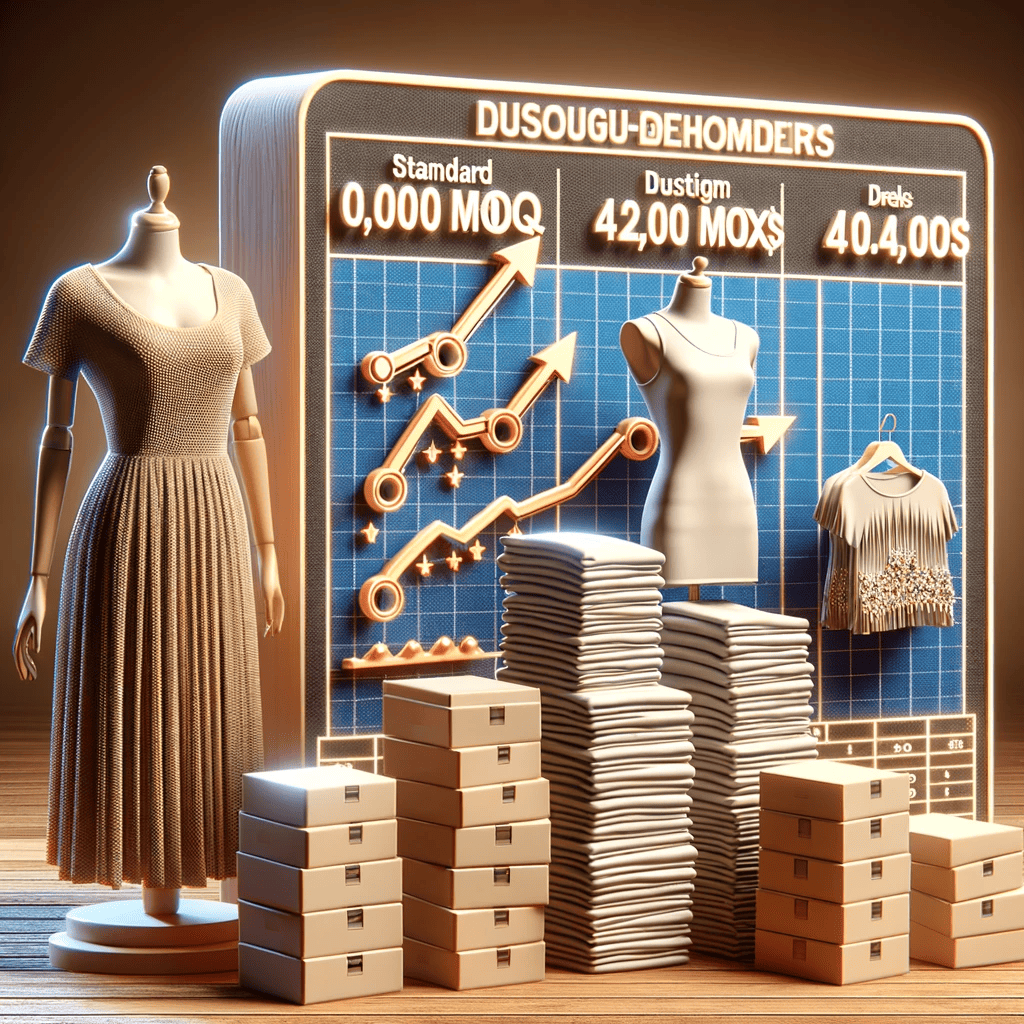
The apparel and textile industry exhibits a wide range of MOQs:
- Standard T-shirts: MOQs can be as low as 50 to 100 pieces.
- Custom-Designed Dresses: For more bespoke items, MOQs might start at 200 pieces.
The level of customization and the specific materials used significantly influence the MOQs in this sector.
3. Plastic Products: Tooling Costs Impact MOQ

Plastic products, particularly those requiring custom molds, have MOQs that reflect the initial tooling costs:
- Standard Plastic Containers: MOQs might be around 500 pieces.
- Custom Injection-Molded Parts: MOQs for these can start at 1,000 pieces or more.
4. Beauty and Personal Care Items: Demand-Driven MOQs
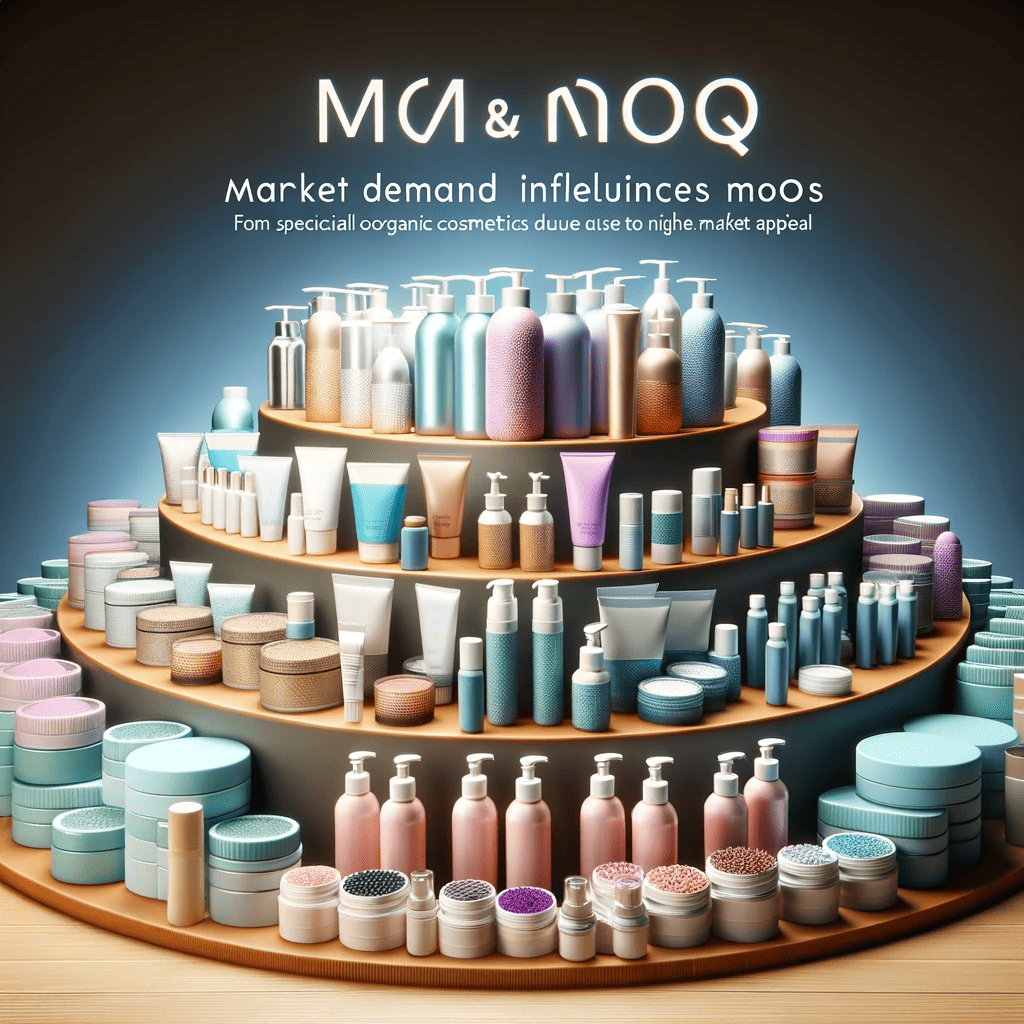
In the beauty sector, market demand plays a significant role in determining MOQs:
- Generic Skin Care Products: These might have MOQs of around 250 to 500 units.
- Specialty Organic Cosmetics: For niche products, MOQs can be higher, starting at 500 units.
5. Furniture and Home Decor: Size and Material Matter
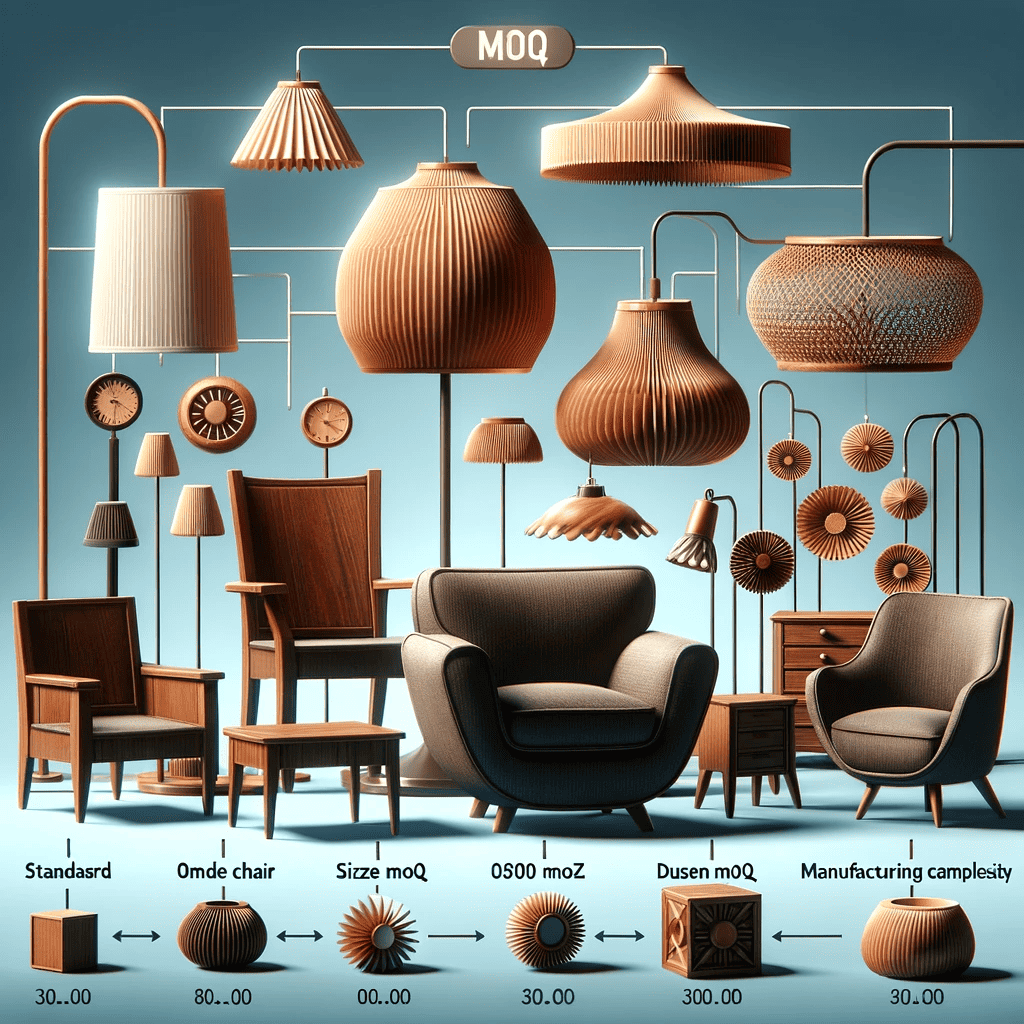
Furniture and home decor items have MOQs influenced by size, material, and manufacturing complexity:
- Standard Wooden Chairs: MOQs can be as low as 20 to 50 pieces.
- Custom-Designed Lamps: MOQs for these more unique items may start at 100 pieces.
6. Seasonal and Trend-Based Products: Fluctuating MOQs

For seasonal items like holiday decorations or fashion accessories, MOQs can vary greatly depending on the trend and season:
- Christmas Ornaments: MOQs might range from 200 to 500 units, depending on the intricacy.
- Summer Fashion Accessories: These can have lower MOQs, around 100 to 200 pieces, to respond to fast-changing trends.
Understanding the MOQ requirements for different products is crucial for businesses in planning their procurement and inventory strategies. This insight helps in making informed decisions that balance the need for product variety, budget constraints, and market demands.
Six Tips for a Lower MOQ with Suppliers
Mastering the art of negotiating lower MOQs (Minimum Order Quantities) with suppliers can significantly enhance a business’s agility and efficiency. This section presents six practical and strategic tips for negotiating lower MOQs, tailored in a human tone to offer original, high-quality content that’s SEO-friendly. These tips are designed to empower businesses to secure more favorable terms in their supplier negotiations.
1. Build a Solid Relationship with Your Supplier:
The foundation of effective MOQ negotiation lies in a strong, mutually beneficial relationship with your supplier. Foster good communication and show genuine interest in creating a long-term partnership. When suppliers see value in your business relationship, they may be more open to accommodating your MOQ requests.
2. Showcase Your Market Potential and Growth Plans:
Suppliers are more likely to offer favorable MOQ terms if they believe in your business’s growth potential. Present your market research, future projections, and how their partnership plays a role in your growth strategy. Demonstrating your potential for future large orders can make lower MOQs more palatable for suppliers.
3. Offer a Trade-off with a Higher Price Per Unit:
Consider offering a higher price per unit in exchange for a lower MOQ. This compensates the supplier for the smaller order size while allowing you to manage inventory more effectively. It’s a strategic compromise that can benefit both parties.
4. Leverage Your Past Order History and Reliability:
If you have a history of consistent orders and timely payments, use this as leverage in your negotiations. Suppliers value reliable clients and may be more willing to offer lower MOQs to maintain a stable business relationship.
5. Propose Combining Multiple Products in One Order:
If you require multiple products, suggest consolidating them into one larger order. This can help you meet the overall MOQ requirements while allowing you to order lower quantities of individual products.
6. Explore Options for Long-Term Contracts:
Proposing a long-term contract with a commitment to regular orders over time can incentivize suppliers to lower their MOQs. This provides them with business security, making them more open to flexible terms.
Negotiating lower MOQs is a nuanced process that requires understanding the supplier’s perspective, clear communication, and strategic concessions. By applying these tips, businesses can effectively negotiate terms that align with their operational needs and financial constraints.
Two Approaches to Meet MOQ
Meeting Minimum Order Quantity (MOQ) requirements poses a significant challenge, especially for small businesses and startups. This section explores two practical strategies to meet these requirements without straining resources, offering insights in a human, conversational tone that also aligns with SEO best practices.
Consolidation of Orders:
One effective method to meet MOQs is through order consolidation. This involves pooling together various requirements over a period to create a larger order. For example, instead of placing multiple small orders for different products, a business can accumulate its needs and place a single, larger order. This strategy not only meets the MOQ criteria but can also lead to cost savings in terms of shipping and handling. Additionally, suppliers may offer better pricing for larger orders, making this an economically savvy approach.
Partnering with Other Businesses:
Another strategy is to partner with other businesses to combine orders. This is particularly useful for startups and small enterprises that face difficulties in meeting high MOQs on their own. By collaborating with other companies that require similar products, businesses can aggregate their orders to meet the MOQ threshold. This method not only helps in fulfilling supplier requirements but also fosters community and cooperation among businesses with similar needs. It can lead to the establishment of beneficial networks and partnerships, offering long-term advantages beyond just meeting MOQs.
Both order consolidation and partnering with other businesses are practical approaches to overcoming the challenges of MOQs in procurement. These strategies enable businesses, especially smaller ones, to efficiently manage their inventory and resources while maintaining healthy supplier relationships. By adopting these methods, companies can navigate the complexities of procurement in a more strategic and resourceful manner.
Find Flexible MOQ Options from ZingSourcing
In the intricate landscape of procurement, ZingSourcing stands out as a valuable ally for businesses seeking adaptable MOQ options. This section delves into the operational model of ZingSourcing and explores how its flexible MOQ approach can be a game-changer, especially for businesses requiring smaller order quantities or custom products.
ZingSourcing’s Operational Model:
ZingSourcing, a prominent player in the sourcing industry, specializes in connecting businesses with suppliers that offer flexible MOQs. This is particularly beneficial for small to medium-sized enterprises (SMEs) and startups that may struggle with the high MOQs demanded by many manufacturers. ZingSourcing acts as an intermediary, leveraging its extensive network of suppliers to find the best fit for a business’s specific needs. They negotiate on behalf of their clients to achieve MOQs that align with their client’s inventory strategies and budget constraints.
Benefits of ZingSourcing’s MOQ Flexibility:
The flexibility offered by ZingSourcing can significantly benefit businesses in several ways:
- For Small Businesses and Startups: These entities often have limited capital and storage space. ZingSourcing’s ability to secure lower MOQs allows them to manage their inventory more efficiently and reduce the risk of overstocking.
- For Businesses Seeking Custom Products: Custom orders typically require higher MOQs due to the unique production setup. ZingSourcing’s negotiation expertise can help secure more manageable MOQs, enabling businesses to explore custom product options without the burden of excessive quantities.
- Market Responsiveness: Lower MOQs allow businesses to be more agile and responsive to market trends and consumer demands. This is crucial in a rapidly changing market environment where flexibility can be a significant competitive advantage.
ZingSourcing’s approach to MOQ flexibility offers a tailored solution that aligns with the varied needs of modern businesses. By reducing the barrier of high MOQs, ZingSourcing enables businesses to operate more dynamically, reducing inventory risks and opening up opportunities for product diversification and customization. This adaptability is essential for businesses looking to thrive in today’s competitive market.