
This comprehensive manual is designed to unveil the most effective quality control strategies prevalent in China’s dynamic market. It encompasses:
- An overview of fundamental quality control categories.
- Key factors to evaluate when establishing quality standards.
- A step-by-step approach to implementing robust quality control measures.
- Additional insights and nuanced techniques for in-depth understanding.
This guide is tailored for those eager to transition from novices in China sourcing to accomplished experts. With this resource, you’ll gain the knowledge and tools necessary to excel in the competitive landscape of Chinese manufacturing and sourcing. Let’s embark on this journey to mastery in quality control.
Quality control methods in China manufacturing basics
What are quality control methods in China manufacturing?
Before diving into the specifics of quality control methods in China’s manufacturing sector, let’s pose a critical question: How frequently do you procure goods from Chinese suppliers, and do you actively verify the quality of these products and services? If you already prioritize quality assurance, that’s commendable. If not, it’s crucial to focus on this vital aspect of sourcing.
Quality control in Chinese manufacturing encompasses a variety of strategies and processes aimed at maintaining and improving the quality of products and services. The essence of quality control lies in establishing benchmarks or standards that define the acceptable quality level for products and services. These standards are not arbitrary; they are crucial for ensuring the consistent delivery of high-quality goods and services, which, in turn, influences customer satisfaction and business reputation.
But why do we set these standards, and how do they benefit us? Establishing quality standards helps in systematically managing and reducing the incidence of defects and non-compliance in the production process. This ensures that the end products meet or exceed customer expectations, leading to better market competitiveness and customer loyalty.
In today’s discussion, we will explore the various techniques and methodologies employed in China’s manufacturing landscape to assure and control the quality of output. From statistical quality control (SQC) to Total Quality Management (TQM), from ISO certifications to lean manufacturing, we will delve into the details of how these approaches are implemented to ensure the high-quality production of goods and services.
Is it essential to ensure quality of products and services?
Observing numerous businesses opting for Chinese suppliers primarily due to cost advantages, it’s evident that many overlook the critical aspect of product quality. This oversight often leads to disappointment when they find themselves unable to boost sales, attributing to a simple yet significant reason: a shortfall in quality control, which results in inferior products from China.
The crux of their failure lies in neglecting quality assurance during the sourcing process. Ensuring product quality is paramount; without it, attracting and retaining customers becomes a formidable challenge. This lack of attention to quality can tarnish a brand’s reputation and diminish customer trust, making it difficult to achieve sustainable sales growth.
Therefore, the formula for success in this competitive landscape is clear: prioritize product quality. The adage, “The higher the quality of products, the more sales you can generate,” holds particularly true in this context. High-quality products not only meet but often exceed customer expectations, fostering brand loyalty and encouraging repeat business. Emphasizing quality control in your sourcing strategy from China can indeed transform your business, leading to rapid sales growth and establishing a strong market presence.
How to measure the quality control of the products?
Quality control encompasses more than a mere concept; it represents a comprehensive and multifaceted approach detailed throughout various sections of the article. At its core, quality control involves establishing benchmarks or standards for your products, ensuring they meet your specific requirements and expectations.
Consider the scenario where you’re placing an order with suppliers in China. Given the paramount importance of product quality, it’s crucial to communicate your expectations clearly to the suppliers, insisting on the provision of high-quality goods. Once your order is placed, the process begins with pre-inspection, a crucial step in the quality control sequence.
However, pre-inspection alone is not sufficient for comprehensive quality control. The process extends beyond this initial step, requiring continuous monitoring and evaluation at various stages of production and post-production. This iterative process includes in-process inspections, post-production tests, and final inspections to ensure the product consistently meets the established standards.
In essence, quality control is a dynamic and ongoing process that involves setting standards, implementing systematic inspection procedures, and taking corrective actions as necessary. This ensures that the final product not only meets but ideally surpasses your quality expectations, leading to higher customer satisfaction and business success.
What is the cost of the quality inspection in China?
The expense associated with quality control, particularly when engaging a third-party quality control company for imported goods, is influenced by several factors:
- Expertise of the Quality Control Team: The level of experience and expertise possessed by the staff of the quality control company plays a crucial role in determining the cost. Companies with a more experienced and skilled team are likely to charge higher fees due to their advanced ability to identify and address potential quality issues.
- Proximity to the Inspection Site: The location of the quality control company relative to the site where the inspection is to be conducted can significantly affect the overall cost. If the company is situated far from the inspection site, additional charges may be incurred for travel and logistics, increasing the total cost of the service.
- Scope of the Analysis: The extent and depth of the analysis conducted by the quality control company also impact the price. A fundamental analysis might cost less, whereas a comprehensive analysis that involves detailed inspection and testing of the imported goods will likely be more expensive due to the increased time and resources required.
Regarding the cost of hiring a quality control company for imported goods, prices can vary widely based on the aforementioned factors. On average, the daily charge for auditing services can range from $200 to $300. However, depending on the complexity of the inspection and the reputation of the company, some may charge higher rates.
Therefore, when budgeting for quality control services, it’s important to consider these variables and allocate funds accordingly, ensuring that you can afford the level of service necessary to meet your quality standards without compromising financial constraints.
Why is Quality Control Methodology essential?
Choosing the right quality control method can be pivotal for business success, and it’s common to wonder which approach is the best fit. Understanding the various quality control methods and how they align with your business needs can significantly impact your decision.
To determine the most suitable quality control method, consider the following factors:
It ensures the production of the high-quality product on suppliers’ end
Quality control at the supplier’s end ensures high-quality product production by setting clear standards, monitoring processes, conducting inspections, performing supplier audits, and maintaining a feedback loop for continuous improvement. This approach minimizes defects and maintains customer satisfaction.
Depreciates the potential losses you might encounter
Getting scammed often occurs when there is a lack of quality control and due diligence in selecting suppliers. Opting for the cheapest option without verifying the quality can lead to receiving substandard products, which in turn can result in decreased sales, loss of customers, and diminished revenue.
The solution to mitigate these risks lies in implementing robust quality control methods. Here’s how it helps:
- Vendor Verification: Conduct thorough background checks and vet suppliers before placing orders to ensure they have a good track record of delivering quality products.
- Quality Assurance Processes: Establish and maintain strict quality control processes that include regular inspections, testing, and audits of the products supplied.
- Customer Trust: High-quality products lead to higher customer satisfaction and trust, which can increase brand loyalty and repeat business.
- Sales and Revenue Boost: Consistently delivering quality products can lead to an increase in sales and revenue, as satisfied customers are more likely to return and recommend your business to others.
In summary, implementing a quality control methodology not only helps in avoiding scams but also contributes to sustaining and growing your business by ensuring product quality, customer satisfaction, and financial health.
Improves conversion ratio and sales leads
The conversion ratio measures the effectiveness of turning clicks on your products into actual sales. Essentially, a higher number of sales per click indicates a better conversion ratio. Conversely, if fewer clicks result in sales, the conversion ratio decreases.
To enhance this ratio, quality control is key. By ensuring the quality of your products, customer satisfaction increases, leading to more sales. As sales rise, the conversion ratio naturally improves, reflecting the success of your quality control efforts in driving business performance.
Customers’ expectations get fulfilled
Maintaining customer trust is essential in business because client satisfaction directly impacts success. Businesses thrive on customer loyalty; achieving targets and sustaining growth depend on having a strong client base. Prioritizing customer feedback and incorporating their suggestions can lead to significant improvements in products and services.
Quality control plays a pivotal role in this process. It ensures that the products meet or exceed customer expectations, thereby fulfilling their demand for quality. Implementing a robust quality control system not only helps in maintaining high standards but also demonstrates to customers that their needs and expectations are taken seriously. This commitment to quality can set a business apart and keep it competitive with top brands in the market.
There are the least number of variations in the products
Product variations often stem from inconsistencies in the manufacturing process and lapses in quality control. These variations can affect the consistency and reliability of the products, leading to customer dissatisfaction.
To minimize these variations, implementing stringent quality control methods throughout the production process is crucial. Here’s how it can be done:
- Regular Inspections: Conducting regular on-site inspections of the manufacturing facilities allows for real-time monitoring of the production process and immediate identification of any deviations from the set standards.
- Statistical Process Control (SPC): Utilizing statistical methods to monitor and control the production process helps in identifying and correcting variances before they result in product variations.
- Continuous Improvement: Implementing a continuous improvement process based on the findings from regular inspections and statistical analysis ensures that the production process is constantly refined to reduce variations.
By systematically applying quality control methods, businesses can achieve a more consistent production output, resulting in higher quality products with fewer variations, thereby increasing customer satisfaction and trust in the brand.
3 Basic types of Quality inspection China manufacturing
Monitoring quality control methods in production is essential for ensuring product consistency and reliability. Whether you choose to implement these methods directly or through a quality control service in China, understanding the basic steps is crucial. Here are the three fundamental steps in the statistical process of quality control:
Pre-Production Inspection
Pre-production inspection is a critical step in ensuring that the quality of products meets your expectations before committing to large-scale manufacturing. This stage allows you to evaluate the quality of raw materials and the initial production samples to ensure they align with your standards. Here’s how you can effectively conduct a pre-production inspection:
- Evaluate Raw Materials: Assess the quality of raw materials used in the production process to ensure they meet your specifications. This can prevent issues in the final product quality.
- Test Sample Products: Send samples of the initial production run to a laboratory for testing. This helps in verifying that the product meets your quality, safety, and performance standards.
- Provide Clear Feedback: Based on the sample testing, provide detailed feedback to the factory. If the samples do not meet your quality criteria, specify the areas that need improvement.
- Communication is Key: Ensure that the factory understands your quality requirements. Have clear communication channels and regular updates to monitor progress and make adjustments as needed.
By taking these steps during the pre-production phase, you can significantly reduce the risk of quality issues in the final products. It allows you to identify and address potential problems early in the manufacturing process, saving time and resources, and ensuring that the finished products align with your quality expectations.
During production checkup
During production, timely quality checks are crucial to ensure that the products meet the expected standards. Here’s a concise guide to managing quality during production:
- Timely Inspection: Conduct inspections at the right time during the production process. Avoiding too early or too late inspections ensures that the products are assessed accurately after a significant portion of the production cycle is completed.
- Assessment of Quality: Evaluate the products against the predefined quality standards to ascertain if they meet the expected criteria. This involves checking for functionality, appearance, and any other critical attributes.
- Immediate Action on Issues: If the products do not align with the expected quality, immediate action is necessary. Communicate promptly with the factory staff to address and rectify the discrepancies. Being proactive can prevent the continuation of errors in the production process.
- Understand Market Standards: Be aware of the specific quality and compliance requirements of the target market. Different markets may have varying standards, and ensuring compliance is essential to avoid sales and distribution issues.
- Avoid Visual and Functional Defects: Regular quality checks help identify not only functional issues but also visual defects that could affect the product’s marketability. Early detection and correction of these issues are vital to prevent potential losses and maintain product integrity.
By implementing these practices, you can better manage production quality, reduce the risk of defects, and ensure that the final products are of the desired quality, thereby safeguarding your brand’s reputation and market success.
Pre-shipment Inspection
Pre-shipment inspection is a critical quality control process conducted when the entire inventory is ready for shipment. This inspection ensures that the products meet both the quality standards required by your business and the regulatory standards of the target market. Here’s how it works:
- Sample Selection: Instead of inspecting every item, a representative sample is selected from the batch for testing. This sample should accurately reflect the overall quality of the entire batch.
- Laboratory Testing: The selected sample is sent to a laboratory for detailed testing. This testing can assess various aspects of the product, such as quality, safety, functionality, and compliance with international standards.
- Compliance with Import/Export Regulations: Each country has its own set of import and export rules, including restrictions on certain products and quality standards. Pre-shipment inspection helps ensure that your products comply with these regulations, avoiding customs complications and potential market entry barriers.
- Quality Verification: The inspection provides a final quality check before the products leave the factory, ensuring that any defects are identified and addressed. This process reduces the risk of receiving a large quantity of defective goods.
- Trust and Reliability: Regular pre-shipment inspections build trust in your Chinese suppliers, as they demonstrate a consistent commitment to quality. This can also strengthen the business relationship and lead to smoother operations in the future.
Hiring a quality control company in China can manage this process efficiently, ensuring that all products meet the necessary quality standards and regulations before shipment, thereby safeguarding your investment and brand reputation.
Things to consider during the quality control methods in China manufacturing
When it comes to product shipments and quality control, timing and adherence to specific criteria are essential. Here are key considerations to keep in mind:
Product Analysis
Product analysis is a comprehensive process that involves examining various factors to ensure that each element meets the specified standards. The weight of a product, for example, is significant for several reasons, including shipping costs, regulatory compliance, and customer expectations. Here’s what you should typically check in a product to ensure its quality:
- Manufacturing Material: Analyze the type and quality of the material used in the product. This affects durability, safety, and compliance with industry standards.
- Height: Measure the height of the product to ensure it fits the intended space or use, and meets any regulatory or shipping requirements.
- Weight: Assess the weight to ensure it aligns with product specifications and affects shipping costs, handling, and usability.
- Size: Verify the dimensions of the product to ensure they match the advertised specifications and are suitable for the intended use.
- Relevant Important Factors: Depending on the product, other factors might include color, strength, functionality, and safety features. These should be evaluated to ensure they meet the required standards and customer expectations.
By thoroughly checking these factors, you can ascertain the quality of products made in China, ensuring they meet the necessary standards and fulfill customer expectations, thereby maintaining the reputation and reliability of your supply chain.
Packaging and Labeling Quality
Packaging and labeling are crucial for product quality and compliance, especially for exports. Ensure that the “Made in China” label and other necessary information are present and meet international standards. Use statistical processes to assess packaging and labeling quality, and verify that they protect the product and comply with regulations. Certified labs may be needed for specific tests, ensuring the packaging meets all requirements for safe and effective transport.
Defect Classification
When ordering a large quantity of products, such as 1000 pieces, it’s realistic to expect some defects, even with stringent quality control measures in place. If, for example, there are ten defective items, these defects can typically be classified into three categories:
- Major Defects: These are significant issues that affect the product’s functionality, appearance, or safety, making the product unsellable or unusable as intended. They require immediate attention and rectification.
- Minor Defects: These defects do not significantly impact the product’s functionality or usability but may affect the aesthetic appeal or minor features. Products with minor defects might still be sellable, depending on the standards and expectations of the end consumers.
- Critical Defects: These are severe issues that could result in unsafe conditions, legal non-compliance, or significant harm to users. Products with critical defects should be rejected outright to prevent potential safety risks and legal problems.
For effective communication and resolution of these issues, it’s advisable to document the defects through images and videos and send this evidence to the quality control company in China. This visual documentation helps in accurately assessing the nature and severity of the defects and facilitates the decision-making process regarding corrective actions.
Functional Testing
Functional testing is crucial for ensuring that electronic or medical devices imported from China operate correctly and meet the required quality standards. Here’s a straightforward approach to conducting functional testing:
- Sample Selection: Begin by selecting a sample of the device from the production batch for testing.
- Operation Guidelines: Clearly outline the operational procedures for the device. This includes understanding how it should function, the necessary steps to activate and use it, and the expected outcomes of successful operation.
- Efficiency Check: Test the device to see if it operates efficiently and effectively, according to the outlined procedures. Ensure that all functions work as intended and that the device meets the necessary performance criteria.
- Decision Making: If the sample device passes the functional testing, it indicates that the production batch is likely to meet the quality standards, and you can proceed with the bulk order.
Special Tests
When importing products, ensure compliance with the specific rules and regulations of the destination country. Some items, like cannabis, may have strict import restrictions. For chemicals, conduct specialized tests to verify adherence to safety and import guidelines. Always stay informed and align your products with the legal requirements to avoid complications during import.
Carton Drop Test
Yes, achieving quality products made in China is indeed a primary goal, and assessing the quality is essential to accomplish this. The carton drop test is a practical method of quality assurance, especially for evaluating the durability and integrity of packaged products. This test involves dropping the packaged item from a specific height to simulate handling and shipping stresses, ensuring that the product and its packaging can withstand physical impacts during transit. Conducting such tests helps in identifying potential vulnerabilities in the packaging design and product durability, allowing for improvements before mass shipping and reducing the risk of damage and customer complaints.
How to conduct methods of quality assurance?
Quality assurance encompasses a comprehensive approach beyond just two stages, involving multiple steps to ensure product consistency and reliability. Here’s a breakdown of the key steps in the quality assurance process:
Determine the information related to your products niche
To assess and ensure product quality in China, compare high-quality products with low-quality ones by examining their features, functionality, and design. This comparison helps you understand the quality spectrum, reinforces confidence in your supplier, and guides the implementation of effective quality control techniques for consistent product standards.
Research and Cooperate with Quality Suppliers in China
Finding quality suppliers in China involves a strategic approach to ensure you partner with reliable and reputable manufacturers. Here’s a simplified process:
- Use Sourcing Companies: Engage with sourcing companies that specialize in identifying and vetting suppliers in China. These companies have the expertise and networks to connect you with suppliers that match your quality and production needs.
- Leverage Industry Experience: Companies like zingsourcing, which provide sourcing services, have an extensive list of pre-vetted suppliers known for their quality products. Utilizing such services can save time and reduce the risk of partnering with unreliable suppliers.
- Comprehensive Support: Choose a sourcing partner that not only helps in finding suppliers but also offers quality control services. This ensures that your products meet the required standards before they are shipped.
By collaborating with a sourcing and quality control company, you can streamline the process of finding quality suppliers and maintaining product standards, ultimately supporting your business’s success in importing goods from China.
Choose the criterion to define the quality product
To ensure product quality, partner with a quality control company for imported goods. They help set and measure quality standards, providing guidance and experience in quality inspection. This approach ensures your products meet the necessary criteria and supports business success.
Thoroughly analyze the products you import
Always check and comply with the import regulations of the destination country, as each has specific restrictions on certain products. Ensure your stock does not contain prohibited items and strictly adhere to legal import processes to avoid penalties and maintain business integrity.
Prevent quality problems – quality control methods in China
Quality is a crucial aspect of product success and customer satisfaction. To prevent quality problems, consider these tips:
Know your quality standards – quality control methods in China
Quality standards are benchmarks that define the acceptable level of product quality. They help in assessing product consistency, preventing scams, and ensuring customer satisfaction. Knowing and adhering to these standards is crucial, and consulting with professional quality control firms, especially in China manufacturing, can aid in achieving and maintaining the desired product quality.
Pick up the suitable suppliers
A suitable supplier is one that aligns with your specific requirements and expectations, providing products that meet your quality, functionality, budget, and longevity needs. For medical devices, this means:
- Quality Devices: The supplier should offer products that are of high quality, ensuring reliability and effectiveness in medical applications.
- Functional Versatility: The devices should be fully operational in various aspects, catering to the diverse needs of the medical field.
- Budget Compatibility: The supplier’s pricing should align with your budget constraints, offering cost-effective solutions without compromising quality.
- Durability: The products should be durable, capable of withstanding regular use over extended periods without frequent replacements or repairs.
Selecting a supplier that meets these criteria is crucial for ensuring that you receive products that fulfill your needs and contribute positively to your operations.
Check with your suppliers before order
To avoid scams and find quality suppliers, conduct thorough research, prioritize quality assurance, request detailed product information and samples, and verify quality through independent lab testing. Clear communication of your needs and standards with the supplier is essential. Rely on research to make informed decisions and establish a reliable supply chain.
Which sourcing companies provide you with quality solutions?
When looking to hire a Chinese company for sourcing or quality control, it’s important to choose one with a strong reputation, experience, and expertise in your industry. ZingSourcing is a notable example, recognized for providing comprehensive sourcing solutions. Here’s what to consider:
ZingSourcing
Have you heard of zingsourcing ever before? Maybe or may not be. Whether yes or no, I can help you understand what exactly zingsourcing is. zingsourcing is a top sourcing company in China that provides its customers with the ultimate solutions regarding product research, suppliers, and quality control.
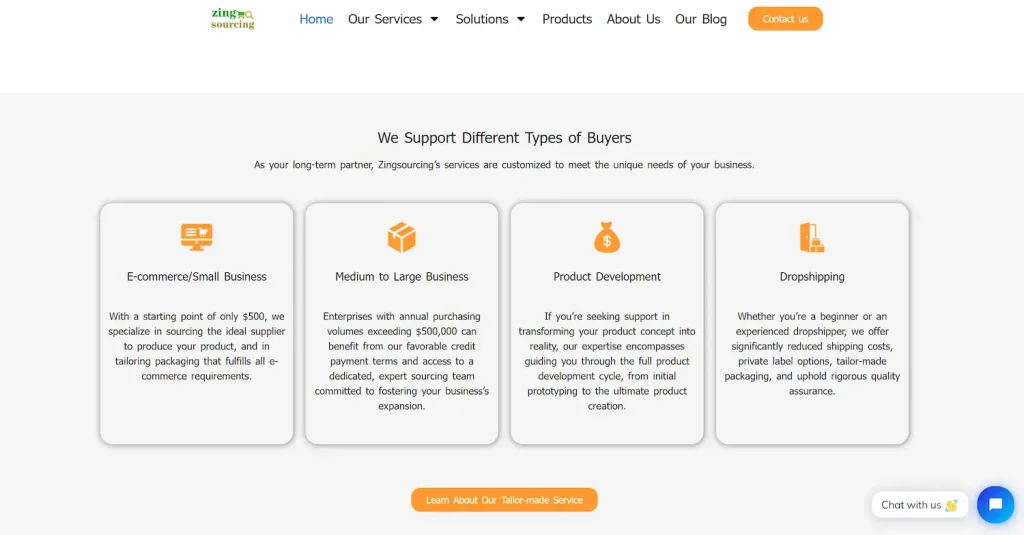
Quality control methods in China, particularly those employed by companies like ZingSourcing, offer significant advantages for foreign businesses:
- Extensive Supplier Network: Having access to a broad range of suppliers allows these companies to find the best match for any business need, enhancing the likelihood of sourcing high-quality products.
- Expertise in Complex Projects: Their experience in handling intricate tasks related to product research, sampling, and quality control ensures that they can manage challenges efficiently, reducing risks for their clients.
- Proven Track Record: With over a decade of experience in purchasing and exporting, such companies have established themselves as reliable partners in the sourcing industry.
- Global Reach: Having served clients in numerous countries worldwide, their global experience and understanding of diverse market demands signify their capability to handle international business effectively.
These attributes collectively underscore the ability and reliability of these sourcing companies, making them a strong ally for businesses looking to navigate the complexities of sourcing and quality control in China.
What do we offer?
ZingSourcing offers a comprehensive range of services beyond traditional sourcing, catering to various aspects of the supply chain and product management. Here are some of their top services that businesses find valuable:
- Sourcing Services: They provide expert assistance in finding and securing reliable suppliers, ensuring that businesses can source the right products at competitive prices.
- Quality Control: ZingSourcing emphasizes high-quality standards, conducting thorough inspections and quality checks to ensure that products meet the specified criteria and expectations.
- Warehouse Service: They offer warehousing solutions, allowing businesses to store their inventory safely for extended periods, which helps in managing logistics and supply chain more efficiently.
- Product Hunting and Research: ZingSourcing assists in product hunting and market research, helping businesses to identify and procure products that are in demand or have potential market value.
Why should you choose us for quality control?
ZingSourcing distinguishes itself as a preferred partner for sourcing and quality control in China due to several key factors:
- High-Quality Control Standards: They prioritize quality, ensuring that suppliers meet high-quality standards through rigorous pre-production and post-production assessments.
- Comprehensive Supplier Selection: Their approach involves understanding customer requirements, identifying top suppliers from an extensive list, and recommending the best matches, ensuring a fit for customer needs.
- Ensured Product Quality: The quality of products is verified through detailed inspections, including gathering product information, conducting sample analyses, and reviewing quality reports, to ensure they meet the set standards.
- Cost-Effective Solutions: ZingSourcing focuses on negotiating with suppliers to achieve affordable prices without compromising on quality, offering customers cost-effective options for quality products.
- Efficient Service Delivery: They promise quick and effective results, with a dedicated team working round the clock to provide optimal sourcing solutions and support.
ZingSourcing’s commitment to quality, customer satisfaction, and efficient service, along with their ability to provide affordable solutions, makes them a favorable choice for businesses looking to source products from China.
Frequently Asked Questions
What can you expect from methods of quality assurance?
Quality control techniques are essential for securing high-quality products from China, leading to various benefits for your business:
- Access to High-Quality Products: Implementing strict quality control measures ensures that the products you receive meet or exceed your quality standards.
- Attracting Customers: High-quality products enhance your brand’s reputation, attracting potential customers who value quality and reliability.
- Business Growth: Consistently delivering quality products can lead to business expansion, as satisfied customers are more likely to return and recommend your brand.
- Assurance of Excellence: Robust quality control gives you confidence that your products will consistently meet the desired quality levels, reducing the risk of returns and complaints.
How many times does it take to get the quality inspection report?
The timeline for receiving quality control reports can vary based on several factors, including the complexity of the analysis required and the specific procedures of the testing laboratory. Here’s a general guideline:
- Standard Reporting Time: Typically, it takes about 24 hours to receive a report after the samples have been sent to the laboratory for inspection. This duration allows for a thorough examination and analysis of the samples to ensure accurate results.
- Expedited Reports: If you need the reports faster than the standard timeframe, some laboratories offer expedited services. These services can provide the reports in a shorter period, but usually at an additional cost.
How do statistical quality control tools take product trust to another level?
Indeed, product trust is closely linked to quality. High-quality products naturally instill confidence in consumers, leading to increased trust and preference for your brand over competitors. Here’s how statistical quality control tools play a role in this:
- Quality Assessment: These tools help in systematically analyzing and monitoring the quality of products to ensure they meet the set standards.
- Building Trust: When products consistently exhibit high quality, it reinforces buyer confidence in the brand, enhancing the product’s trustworthiness in the market.
- Competitive Advantage: Maintaining superior product quality can elevate your brand above competitors, as customers are more likely to choose and stay loyal to brands that they trust to provide quality products.
- Long-Term Success: The increased trust not only boosts immediate sales but also contributes to long-term business success through repeat purchases, positive word-of-mouth, and strong customer relationships.
When should you hire quality control methods in China company?
Hiring a quality control company in China can be particularly beneficial under several circumstances, providing expertise and resources that you may not have in-house. Here are key situations when you should consider hiring such a company:
- Lack of Time for Manual Inspection: If you’re unable to visit the manufacturing site personally due to time constraints, a local quality control company can conduct the necessary inspections on your behalf.
- Lack of Expertise in Quality Control: If you’re unfamiliar with the technical aspects of quality control techniques, hiring professionals ensures that the inspection is done accurately and thoroughly.
- Need for Professional Expertise: Quality control experts have the skills, experience, and tools to assess product quality effectively, making them a valuable resource for ensuring your products meet the required standards.
- Importing from China: When importing goods from China, having a local quality control partner on the ground can streamline the process, ensuring that products meet the necessary quality and compliance standards before shipment.
These companies often use statistical quality control charts as part of their methodology. These charts are instrumental in monitoring the production process, identifying any deviations from quality standards, and ensuring that the final products meet the desired quality level. By leveraging their expertise, you can ensure consistent product quality and protect your brand’s reputation.
What is the best practice for quality control methodology?
To ensure product quality effectively, following a systematic approach is crucial. Here’s a step-by-step technique to achieve this:
- Gather Product Information: Collect comprehensive details about your products, including specifications, materials, intended use, and quality requirements.
- Obtain a Sample: Secure a sample of the product directly from the production line, which represents the batch to be inspected.
- Send Sample to Laboratory: Dispatch the sample to a reputable laboratory for thorough testing and analysis, covering all aspects of quality and compliance with relevant standards.
- Analyze the Report: Once the lab report is available, review it with your quality control team to assess whether the product meets the established quality criteria.
- Select an Experienced Quality Control Team: Work with a quality control team that has extensive experience and expertise in your product category to ensure a thorough and effective quality assessment.
By carefully considering and implementing these steps, you can make informed decisions and take necessary actions to maintain high-quality standards for your products. This strategic approach not only ensures product quality but also strengthens trust with your customers.