
Today, I’ll show you how to find the perfect Chinese clothing manufacturers. We’ll make sure you partner with companies that go beyond meeting your needs, laying the groundwork for your brand’s global success in the fashion industry.
China Clothing Manufacturers’ Basic
China’s garment industry stands as a global powerhouse, with clothing being one of its largest export sectors for many years. Entrepreneurs and business owners worldwide have turned to Chinese clothing factories to source a diverse range of apparel, fueling substantial growth in their ventures. From casual wear like t-shirts and jeans to formal attire such as suits and office wear, China offers an extensive portfolio of products.
Renowned for its capability to mass-produce various clothing styles at competitive prices, China has earned the nickname “the world’s garment factory.” This efficiency is not just about volume but also about speed; for those facing tight deadlines, China’s ready-made clothing market is a boon, with the ability to fulfill bulk orders swiftly and reliably.
Additionally, for businesses seeking to establish or strengthen their supply chain, we provide a curated list of reputable Chinese clothing manufacturers.
What are China Clothing Manufacturers?
The landscape of Chinese clothing manufacturing is a tapestry of diversity, spanning from modest workshops to sprawling industrial complexes, each producing a myriad of clothing items. These factories work with a plethora of fabric types, catering to the global apparel market’s varied demands. Their clientele encompasses a wide spectrum, including wholesalers, traders, retailers, and clothing firms both within and outside China. Notably, even prestigious international brands source their merchandise from Chinese manufacturers, a testament to the quality and efficiency these factories offer.
The trend of partnering with Chinese clothing manufacturers has gained momentum, as companies worldwide prefer to procure finished garments directly from China rather than producing them in-house. This shift is underscored by the significant growth of China’s apparel export sector post-2000. By 2018, China had cemented its status as a global powerhouse in the textile and apparel industry, producing over half of the world’s textiles and accounting for more than a third of the international garment exports.
Why is China Clothing Manufacturers So Important?
Embarking on a venture with Chinese clothing products offers a plethora of benefits, setting the stage for a thriving business. With a vast array of choices, you can select from an extensive network of over 15,000 clothing manufacturers in China. This rich landscape provides a fertile ground for business growth and diversification.
Here’s why Chinese clothing suppliers are crucial to the industry:
- Diverse Product Range: The sheer number of manufacturers ensures a broad variety of products, from everyday casual wear to high-end fashion. This diversity allows businesses to cater to different market segments and consumer preferences.
- Cost-Effectiveness: Due to the scale of production and efficiency of operations, Chinese manufacturers can offer competitive pricing, which can significantly enhance the profit margins for businesses sourcing from them.
- Innovation and Trends: Chinese clothing manufacturers are known for their quick adaptation to market trends and innovations in fabric and design, ensuring that businesses can offer the latest fashion to their customers.
- Integrated Supply Chain: Many Chinese suppliers provide end-to-end services, from design and production to logistics, streamlining the process for international buyers and reducing the time to market.
- Global Reach: China’s well-established export infrastructure means that businesses around the world can rely on timely and efficient delivery of goods, expanding their market reach.
Types of China Wholesale Clothing Suppliers
When considering what kind of clothing to import from China, the options are nearly limitless, catering to every conceivable market niche and consumer preference. Whether you’re looking to stock up on basic essentials or seeking more formal attire, Chinese wholesale clothing suppliers have you covered. Here’s a glimpse of what you can source:
- Basic Essentials: This category includes everyday items like t-shirts, underwear, socks, and leggings. These are wardrobe staples that have a constant demand due to their everyday use.
- Casual Wear: Jeans, casual shirts, dresses, and skirts fall into this segment. These items combine comfort with style, catering to the vast casual clothing market.
- Formal Wear: For those in the business or formal sector, you can import suits, evening dresses, blazers, and formal trousers. These items are crucial for professional settings, special occasions, and formal events.
- Sportswear and Activewear: With the growing trend in fitness and sports, activewear including yoga pants, sports bras, athletic shorts, and performance wear are in high demand.
- Outerwear: Jackets, coats, and rainwear are essential, especially in regions with distinct seasons or varying weather conditions.
- Children’s Clothing: From newborns to teenagers, children’s clothing is a vast market, encompassing everything from baby onesies to adolescent fashion.
- Specialty Clothing: This includes niche market items like maternity wear, plus-size clothing, or eco-friendly and sustainable garments.
How Do You Find the Right China Clothing Manufacturers?
Finding the right China clothing manufacturer involves more than a simple Google search or browsing through B2B platforms. While these methods can provide a plethora of options, identifying a manufacturer that aligns with your business needs requires a strategic approach. Here’s how you can find the right China clothing manufacturer for your business:
1. Buy directly from the clothing manufacturers in China
Navigating China’s clothing market can be complex due to language barriers and the fact that many suppliers operate off mainstream B2B platforms, preferring their websites. Hiring a sourcing agent can simplify this process significantly. These agents, fluent in Chinese and familiar with the local business landscape, can effectively communicate and negotiate on your behalf, ensuring your requirements are met.
They also have networks to connect you with both direct manufacturers and reputable resellers, helping you to identify reliable suppliers that align with your business needs. Thus, leveraging a sourcing agent can streamline the search for quality clothing manufacturers in China, making the process more efficient and effective.
We have a list of high-quality clothing manufacturers China in the table below.
| List | Company Name | Main Products | Description/Information | Location |
| 1 | Huaxiang Woolen | Knitwear, Wool | Works with international brands like Victoria’s Secret,H&M, Coach, and Burberry. | Pudong, Shanghai |
| 2 | Shenzhen Doven Garments Co., Ltd | Functional clothing, Sportswear, Promotional clothes, Sweatshirts, Hoodies, T-shirt, Yoga wear, Jackets | Offers OEM and ODM, 4-year listed Gold supplier on Alibaba | Shenzhen, Guangdong |
| 3 | Shenzhen Global Weiye Clothing Co., Ltd | T-shirts, Polo shirts, Vest, Football wear, Hoodies, Sportswear, Babies’ and Children’s Garments | Makes OEM for big brands like Walmart, Gap, Nestle, Pepsi and Coke. One-stop process includes designing, weaving, dyeing, printing, sewing, packaging, and shipping | Shenzhen, Guangdong |
| 4 | H&Fourwing | Women’s clothing like Dresses, Tops, Jumpsuits, Shorts, and Blouses | They’ve been supplying mainstream high-end fashion labels. Customers can use their services for style research, design, fabric procurement, and the manufacturing process. | Ningbo, Zhejiang |
| 5 | Wuxi Kuanyang Textile Technology Co., Ltd | Softshell fabric, Towel fabric, Sport fabric, Swimwear fabric | Works with Wuxi Hongbao Special Dyeing and Printing Ink Co., Ltd., China’s largest printing ink manufacturer. Works with famous brands like Coach, Adidas, Envy, Billabong. | Wuxi, Jiangsu |
| 6 | Hemp Fortex | Hemp, Organic Cotton, Organic recycled blend, Organic linen, Dresses | In their dyeing and finishing, they exclusively use EU-approved dyes and chemicals. For their goods, they have their own knitting and weaving facilities, as well as garment lines. | Qingdao, Shandong |
| 7 | Jinjiang Changda Garment | Casual wear, Sportswear, Children’s wear, Sports Jacket, Hoodies, Running wear, Yoga wear | OEM/ODM supplier with small MOQ; mainly exports to US, Spain, Italy, France, Germany, and Australia. | Jinjiang, Fujian |
| 8 | Yotex Apparel | Women & men’s clothing, baby clothing, workout clothing, and children’s clothing manufacturers in China | Makes OEM and ODM Customized clothes, designer, supplier, Brand manufacturer, wholesaler, and importer of China manufacturing clothing | Shanghai, China |
| 9 | D&J Garment | Men & women’s wear, babywear, workout and sportswear, kids’ wear | Wholesaler, supplier, importer, and brand manufacturer of Made in China clothing | Guangzhou, China |
| 10 | Zhongshan ARLISMAN Garment Factory | Men and women’s clothing, kids and baby clothing, workout clothing and sportswear | Offers OEM/ODM and design to clients. Makes knit sweaters, sweatshirts, T-shirts, polo, casual pants, and jeans for big brands like US POLO, H7M, Debenhams, BHS, GXG, and more. | Guangdong Province |
| 11 | Yoycol | Women, men and kids clothes like shirts, hoodies, sweatshirts, bodysuits, dresses, rompers, pants and more. | Printing and custom fashion clothing for men, women, and kids without MOQ and has quick processing. They offer blind dropshipping service, printing, packaging, and shipping. | https://www.yoycol.com/ |
| 12 | Dear Lover | Men’s and women’s clothing like tops, dresses, bottoms, swimsuits, lingerie, jeans, sweaters, plus-size clothes, baby & kids’ clothing | The company maintains a vast warehouse that can store 2.3 million pieces of apparel, ensuring that enough supply is available for over 9000 businesses at any given moment. | https://www.dear-lover.com/ |
2. Source from China clothing suppliers
High-quality clothing manufacturers in China operate in various capacities, including as wholesalers, retailers, distributors, or traders. To locate these manufacturers, consider exploring:
- Trade Fairs and Exhibitions: Attending industry-specific trade fairs like the Canton Fair, China International Fashion Fair, or Intertextile Shanghai Apparel Fabrics can provide direct access to a wide range of manufacturers and suppliers.
- B2B Marketplaces: Platforms like Alibaba, Made-in-China, and Global Sources feature listings of numerous manufacturers and allow for direct communication and negotiation.
- Industry Directories: Specialized directories or business listings focused on the clothing industry can offer comprehensive details of manufacturers, including their capacity and product range.
- Sourcing Agents: As mentioned previously, sourcing agents with local market knowledge can identify and recommend manufacturers that align with your business requirements.
- Business Networks: Leveraging connections within business networks or industry associations can lead to recommendations and introductions to trusted manufacturers.
Factors to Consider when Choosing Wholesale Clothing Manufacturers in China
Understanding the distinction between a China clothing manufacturer and other types of suppliers sets the stage for making informed decisions in sourcing apparel. When choosing a China clothing manufacturer, several key factors should be considered to ensure a successful partnership:
Minimum Order Quantity (MOQ)
An MOQ (Minimum Order Quantity) is a crucial factor in the manufacturing industry, especially in China’s clothing sector. It represents the minimum number of units that must be ordered in a single transaction. Chinese clothing manufacturers typically set MOQs to optimize their production efficiency and costs. The MOQ directly influences the pricing, with larger orders often attracting more significant discounts.
For instance, if a manufacturer specializing in baby clothes in China sets an MOQ of 10,000 pieces, you are required to order at least this quantity. Negotiating a lower quantity may not be possible with this supplier, but you might find another manufacturer offering a similar product with a lower MOQ, albeit potentially at a higher price per unit. Direct suppliers often offer lower prices due to the absence of middlemen.
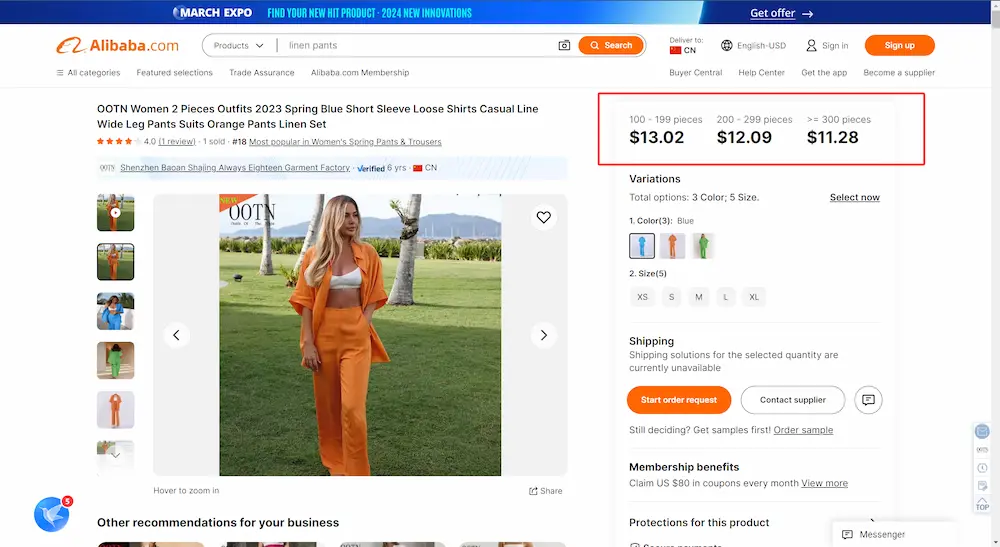
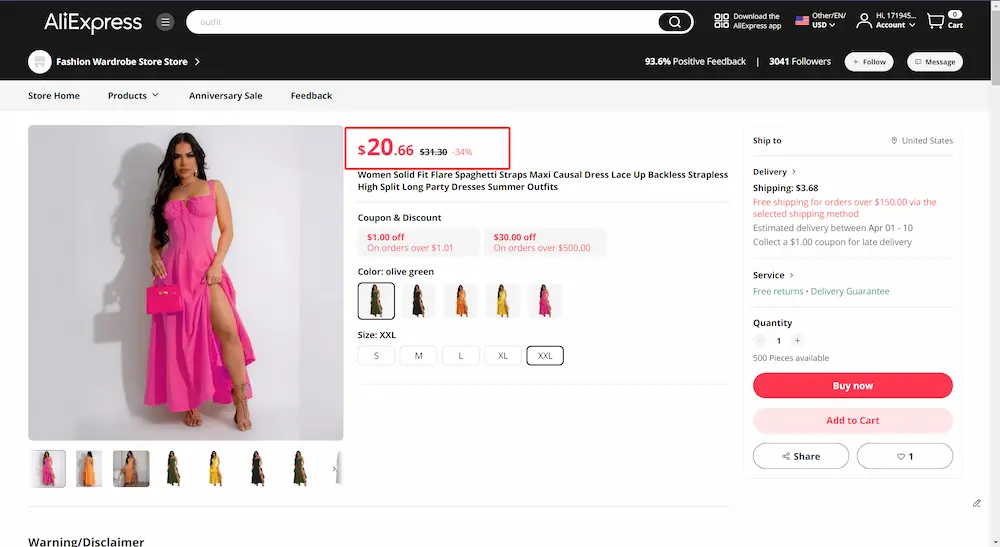
B2B platforms like Alibaba and AliExpress showcase how MOQs and pricing can vary significantly. While both platforms might offer the same product, Alibaba, catering more to wholesale transactions, generally has higher MOQs but lower prices. In contrast, AliExpress, which targets retail customers, offers lower MOQs but at higher prices. This difference reflects the target market of each platform, with Alibaba focusing on bulk purchases and AliExpress on individual consumers or small-scale purchases.
Here’s what it means:
Dropshipping Options
If your business model revolves around dropshipping, it’s important to partner with suppliers who cater to this specific need. While some clothing suppliers and factories in China may not offer dropshipping services, there are platforms that specialize in this area, providing not only the necessary inventory but also competitive pricing and support.
- AliExpress: Known for its vast range of products, AliExpress is a popular choice for dropshippers. They offer VIP prices, which are lower than the regular product prices, making it an attractive option for businesses looking to maximize their profit margins.
- Banggood: With a dedicated dropshipping program, Banggood supports dropshippers with 24/7 customer service. This platform is known for its wide variety of products and reliable support, making it a solid choice for dropshipping businesses.
- CJDropshipping: This platform is particularly appealing for businesses looking for customizable options, such as print-on-demand products. CJDropshipping also offers free inventory storage in their USA warehouse and provides marketing content, which can be a significant advantage for dropshipping businesses looking to minimize upfront costs and leverage ready-made promotional materials.
Customization and Labelling
Customization is a significant aspect of manufacturing that allows businesses to tailor products to their brand’s unique requirements, particularly prevalent in OEM (Original Equipment Manufacturer) and ODM (Original Design Manufacturer) services. In the context of China’s clothing industry, customization capabilities can vary widely among suppliers.
Some direct suppliers might only offer standard products or impose high MOQs for customization, which can be challenging for small or startup businesses. However, other manufacturers, including wholesalers and smaller factories, are more flexible and can accommodate customization and branding requests, allowing businesses to add their logos, choose designs, and modify packaging to create a distinctive brand identity.
Customization and labeling, however, come with additional costs. Suppliers will charge extra for these services, covering the expenses of design alterations, branding, and specialized packaging. This cost must be factored into the overall budget for the product line.
For businesses unable to find a manufacturer that offers the desired level of customization, or if it’s not economically feasible, outsourcing to a third party specializing in customization and labeling is an option. This approach, however, necessitates careful consideration of additional time, costs, and logistics involved in coordinating with another service provider to ensure the final product meets the brand’s standards and expectations.
Shipping Terms and Conditions
When purchasing from a Chinese clothing manufacturer, understanding the full scope of costs, including shipping, is crucial. The price quoted by the manufacturer may only cover the product cost (EXW – Ex Works), excluding shipping fees, taxes, and duties. Here’s what you should consider:
- Shipping Terms: Clarify with the manufacturer whether the price includes shipping costs. Familiarize yourself with Incoterms like FOB (Free on Board), CIF (Cost, Insurance, and Freight), and DDP (Delivered Duty Paid) to understand what is covered in the quoted price.
- Custom Taxes and Duties: Be prepared to pay taxes and duties imposed by your country on imported goods. These costs can significantly affect the total price of your order.
- Shipping Options: Choose a shipping method based on your budget and timeline. Express air courier is faster but more expensive, suitable for urgent shipments. Sea freight is cost-effective for larger, less time-sensitive orders but takes longer.
- Timing and Delivery: For sea freight, understand the shipping schedule and expected delivery date to plan your inventory accordingly.
- Import Laws: Familiarize yourself with your country’s import regulations to avoid unexpected fees or legal issues. Knowing these laws will help you budget accurately and comply with local regulations.
- Freight Forwarding Services: Consider hiring a freight forwarder like ZingSourcing to handle logistics, customs clearance, and shipping. They can provide a seamless shipping experience, potentially saving time and reducing complexities.
Quality and Inspection
When purchasing from traders, a common issue is the lack of personal inspection of the products before they are shipped to you. To mitigate this risk, especially for large orders, consider employing a sourcing agent. These agents can conduct thorough quality checks and inspections on your behalf, ensuring that the products meet your standards before they leave the factory.
Direct suppliers and manufacturers in China often provide better collaboration opportunities. With bulk orders, it’s possible to secure a contract that includes terms for addressing any issues, such as product replacements, if the delivered items don’t meet the agreed-upon standards. This direct engagement with manufacturers can lead to more immediate and effective resolution of problems compared to buying through B2B platforms, where resolving issues can be more complex and time-consuming.
For importers who cannot personally oversee the quality of the products due to distance or scale, having a reliable local contact or agent becomes crucial. They can serve as your eyes and ears on the ground, ensuring that your order is correctly fulfilled and meets quality expectations.
For smaller or medium-sized orders, it’s vital to purchase from verified and reputable Chinese clothing manufacturers. These manufacturers often provide warranties or guarantees for their products, adding an extra layer of security and peace of mind for the buyer. Ensuring that you are dealing with credible and trustworthy manufacturers can significantly reduce the risks associated with quality inconsistencies and facilitate smoother transactions.
How to Import Clothes from a Made in China Clothing Manufacturer?
Importing clothes from a China clothing manufacturer involves a detailed process that can vary based on the volume of your order and specific business needs. Here are the key steps and considerations when importing from Chinese wholesale clothing suppliers:
Check your country’s import regulations.
When importing products for business or resale, such as clothing from China, it’s crucial to understand and comply with the specific import regulations and requirements of your country. Declaring items intended for resale as personal use can lead to scrutiny and potential issues with customs, as bulk quantities of identical items typically do not qualify as personal use.
Here’s what you need to know about import regulations in various regions:
- United States: Individuals or businesses importing goods must use their Social Security Number (SSN) or the company’s Internal Revenue Service Number (IRS EIN) for customs declarations. This identification helps in processing imports and tax documentation.
- Canada: Businesses need to obtain a Business Number from the Canada Revenue Agency (CRA) to import goods. This number serves as an identifier for tax and import activities.
- Europe: Importers must register for an Economic Operator Registration and Identification (EORI) number. This number is used for tracking and registering customs activities within the EU and is mandatory for all businesses involved in importing.
- Japan: Importers must notify the Director-General of Customs and obtain an import authorization. This process often involves a detailed inspection and verification of the goods to be imported.
Choose the clothing line you want to purchase.
When dealing with imports from a China garment factory, including diverse clothing lines like baby and kids’ clothing, it’s crucial to identify the specific types of garments you intend to purchase. This precision is important not just for clarity in your inventory and marketing but also for compliance with international trade regulations. Each type of garment or fabric you import will be associated with a specific Harmonized System (HS) Code.
The HS Code is an internationally standardized system of names and numbers to classify traded products. It helps in determining the custom tariffs and is essential for international trade. The code is used by customs authorities worldwide to identify products and apply the correct tariffs, taxes, and regulations.
Before importing, you should:
- Identify the Specific Product Line: Clearly define the range of clothing you plan to import, such as baby clothes, children’s apparel, or other specific garment categories.
- Determine the Appropriate HS Code: Use an HS Code tool or consult with a customs broker or trade expert to find the correct HS Code for each type of garment you are importing. This step is vital for ensuring accurate customs declarations and for calculating the applicable duties and taxes.
- Understand the Import Requirements: Familiarize yourself with the import regulations and tariffs associated with each HS Code category. These can vary depending on the country of import and the specific type of product.
- Compliance and Documentation: Ensure that all the necessary documentation for your import, including invoices, packing lists, and certificates of origin, clearly reference the correct HS Codes.
Research the estimated cost of your goods and the landing cost.
Understanding and calculating the landed cost is crucial in international trade, especially when importing clothing from China. It helps you ascertain the total expense involved in getting the goods from the manufacturer’s warehouse to your facility, which is essential for pricing your products appropriately and ensuring profitability. Here’s how you can calculate the landed cost step by step:
- Determine the Tariff Classification: Use the HS Code tool to find the 10-digit tariff classification number for the specific type of clothing you are importing. This code is fundamental in determining the customs duty that will apply to your shipment.
- Calculate Customs Fees: With the tariff classification number, you can ascertain the customs duty rate and calculate the total customs fee for your shipment. This fee is based on the value of the goods, their classification, and the customs regulations of the importing country.
- Compute Product Price: This is the cost you pay to the manufacturer or supplier for the goods, often referred to as the Cost, Insurance, and Freight (CIF) price if it includes insurance and freight costs to the port of destination.
- Add Shipping Freight Fees: Include the cost of freight from the manufacturer to your facility. This can vary based on the mode of transport (air, sea, rail, etc.), the volume and weight of the shipment, and the distance.
- Include Other Costs: Sometimes, there may be additional costs like insurance, handling fees, agent fees, or inland transportation costs from the port to your facility that should be factored into the total landed cost.
- Calculate Landed Cost: Sum up all the above costs to get the landed cost.
Landed Cost=Product Price+Shipping Freight Fees+Customs Fees
By accurately calculating the landed cost, you can make informed decisions about pricing, budgeting, and logistics, ensuring the financial success of your import activities.
Find your China fabric suppliers through your sourcing agent.
If you’re considering bulk purchases from Chinese fabric suppliers, connecting directly with these sellers can often necessitate the assistance of a sourcing agent, such as ZingSourcing. Sourcing agents play a crucial role in facilitating smooth transactions, from communication and negotiation to arranging inspections and shipping. Here’s why they are valuable:
- Language Barrier: Many Chinese wholesale clothing suppliers may not be fluent in English, making communication challenging. A sourcing agent acts as an intermediary, bridging this gap and ensuring clear, effective communication.
- Negotiation and Arrangement: Sourcing agents have the expertise to negotiate better terms and conditions on your behalf, leveraging their knowledge of local market conditions and pricing.
- Quality Control and Inspection: They can conduct on-site inspections to ensure the products meet your quality standards before shipment, reducing the risk of receiving defective or incorrect goods.
- Logistics and Shipping Coordination: Sourcing agents can manage the logistics, from factory to your location, ensuring the shipping process is handled efficiently.
- Scam Protection: When dealing with suppliers on B2B platforms, the risk of scams and fraud is higher. Sourcing agents are experienced in vetting suppliers to minimize these risks. They can spot deals that seem too good to be true, such as offers of free shipping, which might not cover other costs like customs fees.
Arrange your cargo with a freight forwarder.
Many clothing manufacturers in China have established relationships with freight forwarders to facilitate international shipping. However, if your chosen manufacturer does not offer shipping services, securing a shipping agent is a crucial step. Shipping agents streamline the export process, handling logistics, documentation, and customs clearance. Here’s how it works:
- Shipping Arrangements: If the clothing manufacturer can’t arrange shipping, you can either work directly with a freight forwarder or use a shipping agent. The latter often provides a more comprehensive service, managing all aspects of the shipping process.
- Sourcing Company Services: Many sourcing companies, like ZingSourcing, offer shipping arrangements as part of their services. They can provide various shipping options to balance cost and delivery time, tailoring the service to your needs.
- Document Handling: Your shipping agent will manage the necessary paperwork for exporting the goods, including the bill of lading, packing list, commercial invoice, and any other required documents.
- Reliability and Transparency: Choosing a trusted shipping agent like ZingSourcing ensures reliability and transparency. A good shipping agent will keep you informed with timely updates throughout the shipping process and assist with any issues that arise.
In conclusion, while some Chinese clothing manufacturers may facilitate shipping, having a dedicated shipping agent can significantly ease the logistical burden, especially for businesses without extensive experience in international shipping. Companies like ZingSourcing offer comprehensive services that cover everything from sourcing to delivery, ensuring a smooth and efficient shipping process.
Tips When Selecting Your China Clothing Manufacturer
Selecting the right China garment factory is a critical decision that can significantly impact the success of your clothing business. The reliability of your supplier, the quality of the products, and the level of after-sales service are all pivotal factors that contribute to your business’s overall performance.
List down all your questions.
Asking detailed questions is an excellent strategy when interacting with a potential China clothing manufacturer, as it demonstrates your industry knowledge and helps assess the supplier’s capabilities and reliability. Here are some important questions to consider, which cover various aspects of the manufacturing and shipping process:
- EXP (Ex-Factory Price) per Piece: “What is the cost per unit directly from your factory?”
- Minimum Order Quantity (MOQ): “What is your MOQ, and is there flexibility to reduce it to _____ pieces for our initial order?”
- Shipping Options: “Do you provide door-to-door shipping services to our warehouse?”
- Quality Inspection: “Do you conduct quality inspections before shipment, and what does this process involve?”
- Customization and Labeling: “Can you customize the designs and label the products under our brand name?”
- OEM and ODM Services: “Do you offer Original Equipment Manufacturer (OEM) or Original Design Manufacturer (ODM) services?”
- Shipping Recommendations: “Based on our location and order size, what are the most cost-effective and efficient shipping options you recommend?”
- Freight Forwarding Partnerships: “Do you have established partnerships with any freight forwarders to facilitate smoother shipping processes?”
- After-Sales Support: “What kind of after-sales support do you offer, and how do you handle issues like defects or returns?”
- Warranty and Replacement: “Do you provide a product warranty, and under what conditions do you offer replacements?”
- Payment and Shipping Terms: “Can you outline your payment terms and detailed shipping conditions?”
- Clientele and Proof of Service: “How many companies do you currently work with, and can you provide references or examples of past projects?”
- Scalability: “Are you equipped to handle a potential increase in demand within a specified timeframe?”
- Certifications: “What certifications does your company hold that assure compliance with industry standards?”
When preparing to meet or communicate with custom clothing manufacturers in China, it’s essential to do your homework. Here’s how you can approach this process effectively:
- Review Their Profile: Before the meeting, examine the manufacturer’s profile on their website or B2B platform. This review can help you verify the information they’ve provided and understand their business scope, history, and product range.
- Understand Import Regulations: If your country has stringent import rules, inquire about the necessary documentation and compliance. Request the manufacturer to provide any documents you might need to present to your customs bureau, such as certificates of origin, quality assurance certificates, and compliance documents.
- Request a Sample Quote: Obtain a detailed quote for the products you are interested in. This quote should include prices, MOQs, production times, and shipping costs. Comparing quotes from different suppliers can give you a benchmark for pricing and help identify any anomalies or areas that require clarification.
- Ask Probing Questions: If anything in the quote or the provided information seems unclear or inconsistent, don’t hesitate to ask for clarification. Questions can cover product specifications, payment terms, lead times, and any other concerns you may have.
- Check References and Reviews: If possible, seek out reviews or testimonials from other businesses that have worked with the manufacturer. This feedback can provide valuable insights into their reliability, product quality, and customer service.
Get help from a China sourcing agency.
Indeed, a sourcing agency can be an invaluable ally in navigating the complex manufacturing landscape in China. They do more than just connect you with clothing manufacturers; they help find the right match for your business needs, leveraging their extensive network and industry knowledge. Here’s how to ensure you choose the right China sourcing agent:
- Evaluate Experience and Expertise: Check the agency’s track record, including how long they have been in business and their experience in the clothing industry. An agency with a deep understanding of the clothing manufacturing sector can provide insights and access to reputable suppliers.
- Seek Recommendations: Preferably, work with agencies recommended by trusted sources or those with positive reviews from other businesses. Independent agents might offer attractive deals, but without a verified track record, they pose a higher risk.
- Transparency and Integrity: Choose an agent who is transparent about their processes, fees, and supplier relationships. Be cautious of agents who add undisclosed markups to your purchases.
- Comprehensive Services: A good sourcing agent will assist with various aspects of the procurement process, including negotiating prices, arranging product samples and testing, overseeing production quality, and managing logistics and shipping.
- Cost vs. Benefits: While hiring a sourcing agent adds to your expenses, the benefits often outweigh the costs. A reliable agent can save you time, reduce risks, and ensure you get the best value for your investment through their expertise and services.
Test the product first by getting samples.
Evaluating product samples is crucial in assessing the quality and suitability of clothing from China manufacturers, especially for custom items. Here’s how you can conduct a thorough inspection:
- Sample Request: Prioritize suppliers who provide samples, as this is essential for assessing product quality firsthand. If a supplier does not offer samples, consider this a red flag.
- Verify Product Descriptions: Ensure the physical sample matches the description provided by the supplier. This includes checking the design, materials, and specifications.
- Size Standards: Understand the sizing chart used by the manufacturer, especially if you are customizing clothes. Size standards can vary significantly between countries, so ensure the sizing aligns with your target market’s expectations.
- Fabric Suitability: Consider the climate and conditions of your target market. The fabric should be appropriate for the intended use, whether for warmer or colder climates.
- Quality Inspection: Thoroughly inspect the quality of the stitches, seams, cuts, and threads. Check for any loose threads, uneven seams, or other signs of poor craftsmanship.
- Durability and Care: Test the durability of the fabric, especially if the clothes are dyed, to see if the color fades after washing. Assess if the material shrinks or deforms after laundering, as this will affect customer satisfaction and product returns.
- Compare Suppliers: If possible, obtain samples from multiple suppliers to compare quality. This comparison can provide a clearer picture of what each manufacturer offers and help you make a more informed decision.
Ensure communication with your Chinese clothing manufacturers.
Effective communication is key to maintaining a successful relationship with your custom wholesale clothing manufacturers in China. Here are some tips to ensure smooth communication:
- Timely Responses: A responsive manufacturer should reply to your emails promptly, ideally within 24 hours. This responsiveness is a good indicator of their reliability and customer service quality.
- Dedicated Contact: Ensure the manufacturer provides a direct contact number or assigns a sales representative to handle your account. This person should be your primary point of contact for all queries and concerns.
- Use Common Communication Apps: Since some international platforms are restricted in China, using popular Chinese apps like QQ or WeChat can facilitate smoother communication. WhatsApp is also a commonly used alternative that might be accessible to both parties.
- Assess Communication Quality: Regular and clear communication is vital. If a supplier consistently fails to respond within a reasonable timeframe or does not provide clear answers to your inquiries, it may indicate potential issues with reliability and should prompt you to consider other suppliers.
- Leverage Sourcing Agents: If you have a sourcing agent, they can handle communication with the manufacturer, addressing any language barriers and cultural differences. The agent can then relay important information back to you, streamlining the communication process.
FAQs on How to Find the Right China Clothing Manufacturer
How much does it cost to import clothes from China?
Calculating the total cost of importing goods, such as T-shirts from China to the US, involves several components including product classification, custom tariffs, and shipping fees. Here’s how these elements affect the overall cost:
- Product Classification: Each product is assigned a specific Harmonized System (HS) code, which determines the duty rate. For T-shirts, the basic duty rate might be 16.5%, but this can vary based on the specific classification and materials used.
- Custom Tariffs: On top of the basic duty rate, additional tariffs may apply depending on the current trade policies and relations. For instance, an extra tariff of 10% or 25% could be imposed on certain goods due to specific trade measures or disputes.
- Shipping Fees: The cost of freight has significantly increased post-pandemic, with prices potentially rising to five times higher than pre-pandemic levels. This surge in shipping costs is due to factors like increased demand, limited shipping capacity, and logistical challenges.
How can I buy direct from China factory?
Navigating the vast manufacturing landscape of China, especially for clothing, can indeed be challenging due to the sheer number of options and potential language and cultural barriers. Here’s why hiring a sourcing agent like ZingSourcing can be beneficial:
- Access to a Wide Network: Sourcing agents have extensive networks and databases of manufacturers ranging from small to large scale. They can provide you with a tailored list of factories that specifically cater to your product requirements and order volumes.
- Overcoming Language Barriers: Communication issues are common when dealing with foreign manufacturers. Sourcing agents, fluent in both the local language and English (or your preferred language), can bridge this gap, ensuring clear and effective communication.
- Expertise in Negotiation and Arrangement: Experienced sourcing agents understand the local market dynamics and pricing strategies, enabling them to negotiate favorable terms on your behalf. They can handle everything from price negotiations to contract terms and production timelines.
- Quality Assurance: Sourcing agents can conduct on-site factory audits, product inspections, and quality control checks to ensure that the manufacturing processes and final products meet your standards.
- Logistics and Shipping Coordination: They can also manage logistics, ensuring that your goods are shipped efficiently and cost-effectively, addressing any customs and importation concerns.
- Risk Mitigation: With a sourcing agent, the risk of scams, communication misunderstandings, and substandard quality is significantly reduced. They act as your local representative, safeguarding your interests.
In conclusion, while direct research can provide some information, the complexities of international sourcing often require insider knowledge and local expertise. A sourcing agent like ZingSourcing can provide this expertise, ensuring that you find reliable manufacturers and navigate the entire sourcing process smoothly and successfully.
Do you have to pay customs when you buy from China fabric suppliers in Alibaba?
In international trade, managing duties and taxes is a significant consideration, and one way to streamline this process is through Delivered Duty Paid (DDP) shipping. Here’s how DDP works and its implications:
- Seller Responsibility: In DDP shipping, the seller bears the full responsibility and cost for shipping the goods to the buyer’s specified location within the buyer’s country. This includes all logistics from the point of origin to the final destination, covering transportation, customs clearance, and payment of all tariffs and taxes.
- Cost Inclusion: The seller must account for all costs involved in the delivery process, including import duties, taxes, and other charges that may arise during the shipment’s transit and entry into the buyer’s country.
- Simplified Buyer Experience: For the buyer, DDP shipping simplifies the import process as it eliminates the need to directly handle customs clearances or pay import duties and taxes, providing a more predictable total cost and reducing the administrative burden.
- Vendor’s Local Presence: Often, for a seller to offer DDP terms effectively, they need to have a system in place in the buyer’s country, such as partnerships with local logistics providers or a distribution center, to manage the delivery and customs processes efficiently.
- Cost Considerations: While DDP can offer convenience for the buyer, it may result in higher costs upfront, as sellers typically incorporate all potential fees and risks into their pricing structure.
Can I buy directly from China clothing manufacturers?
When purchasing directly from a China clothing manufacturer, the volume of your order plays a critical role in determining cost-effectiveness and logistical considerations. Here’s how quantity impacts various aspects of the sourcing process:
- Price Variation: Suppliers often provide different quotes based on the order quantity. Bulk orders typically attract lower per-unit prices due to economies of scale, meaning the more you buy, the cheaper each piece becomes.
- Shipping Considerations: The mode of shipping is heavily influenced by the order size. Small quantities can be economically shipped by air, which is faster but more expensive per unit of weight. However, for large orders, sea freight becomes more practical and cost-effective, despite longer transit times.
- Minimum Order Quantity (MOQ): Manufacturers and suppliers set MOQs to ensure that the production run is economically viable for them. This threshold varies depending on the manufacturer’s capabilities and the product’s nature.
- Bulk Purchasing Advantages: Buying in bulk is usually more economical, not just in terms of unit cost, but also in shipping. Larger orders can leverage sea freight, reducing the per-unit shipping cost significantly.
- Order Refusal Below MOQ: If you cannot meet the MOQ set by a manufacturer, they may decline your order. This is because small orders might not cover the production costs and overheads, making them financially unfeasible for the manufacturer.
How has the rise in shipping costs affected clothing factories in China?
The sharp increase in shipping costs has significantly impacted global trade, particularly affecting clothing factories and the broader apparel industry. The dramatic rise in freight charges has led to several consequences for manufacturers, importers, and buyers:
- Reduced Sales: Many clothing factories have experienced a decline in sales as the higher shipping costs make their products less competitive, especially in international markets.
- Increased Cost of Importation: For importers and buyers, the escalated shipping fees mean higher overall costs for bringing products to market. In 2019, shipping $10,000 worth of goods to the US might have cost around $2,000, but now it could be as high as $10,000, effectively doubling the landed cost of goods.
- Adaptation of Order Terms: To manage these increased costs, many businesses have had to adjust their order quantities and terms. This adaptation might include reducing order sizes to keep shipping costs manageable or altering the frequency of orders.
- Impact on Small Factories and Businesses: Smaller manufacturers and businesses are particularly vulnerable to these changes. With less capital to absorb the increased costs, they are often forced to raise product prices or add surcharges for shipping to maintain their profit margins.
- Strategic Changes: Businesses are compelled to reevaluate their supply chain strategies, considering factors like localizing supply chains, finding alternative manufacturing locations with lower shipping costs, or increasing inventory levels to reduce the frequency of international shipments.