
In global trade, freight forwarders play an essential role.
For international product transport, finding a reliable freight forwarding service is critical due to the complex nature of international shipping, which includes many complicated procedures and regulations.
Our forthcoming article will clarify the function of freight forwarders, providing insights into how they facilitate the shipping process.
What is a Freight Forwarder?
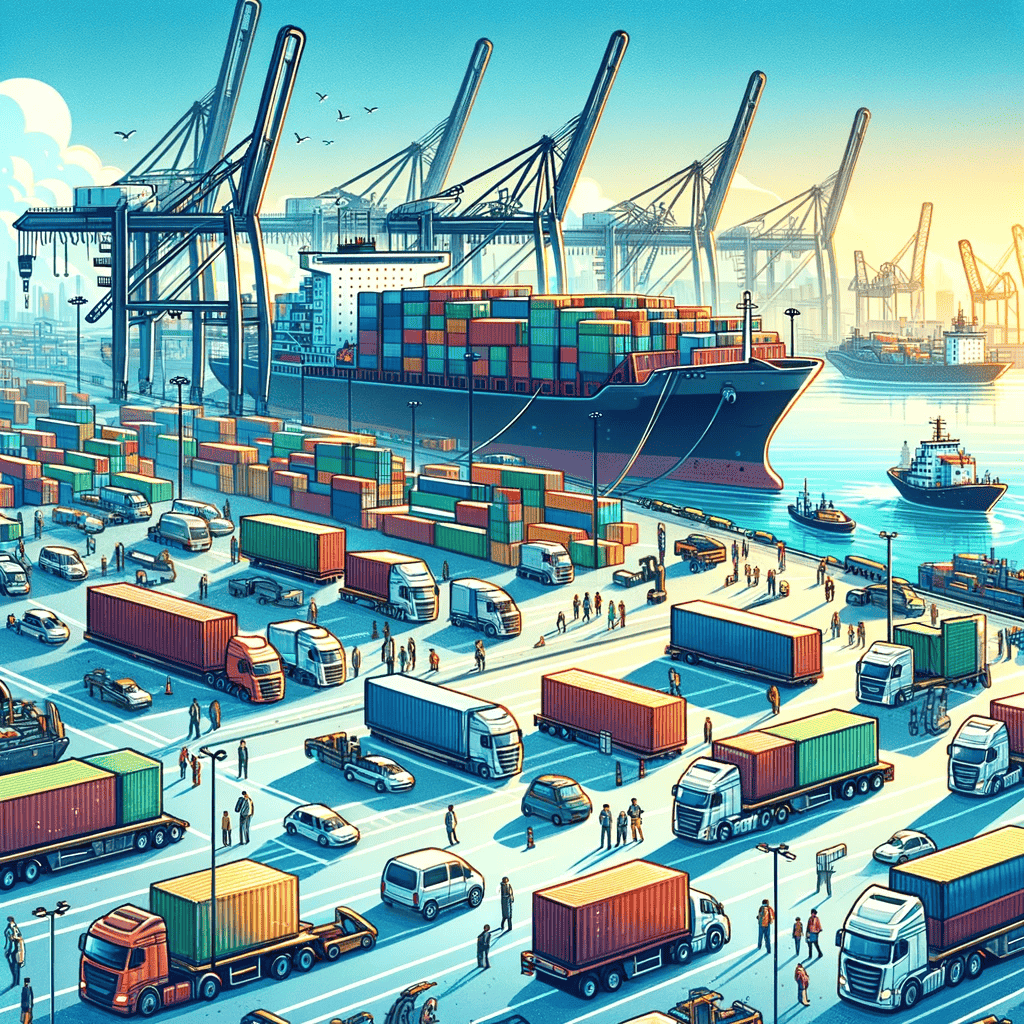
A freight forwarder, often seen as the architect of international shipping, is crucial in global trade.
They serve as the link between businesses looking to ship goods and the complex array of transport services.
This role is vital because managing the detailed network of global shipping demands specialized knowledge and skills.
The Role in the Global Trade Ecosystem:
Freight forwarders are essential in the global trade network, acting as a critical bridge between producers and markets, facilitating efficient cross-border movement of goods.
This function is especially vital in the current global economy, where fast and reliable goods transportation offers a substantial competitive edge.
What Does a Freight Forwarder Do?
A freight forwarder’s role is indeed complex and integral to international trade. Let’s delve into the detailed aspects of their responsibilities:
Transportation Planning and Execution
- Route Optimization: Freight forwarders meticulously plan the most efficient and cost-effective routes. They consider factors like distance, transit times, and cost, often combining multiple modes of transport – air, sea, rail, and road – to optimize the journey.
- Carrier Negotiations and Booking: They negotiate with carriers to secure space for shipments at competitive rates. This involves a deep understanding of shipping schedules and the ability to book space on cargo ships, airplanes, trucks, and trains.
Logistical Management
- Customs and Compliance: Freight forwarders navigate complex customs regulations, ensuring that all shipments comply with international laws. They prepare and submit necessary documentation, including customs declarations and import/export forms.
- Documentation Preparation: Handling a myriad of shipping documents is a critical task. They manage bills of lading, insurance policies, and export declarations, ensuring accuracy to prevent delays or legal issues.
Risk Management and Insurance
- Insurance Arrangements: They provide advice on maritime insurance options and help secure policies that protect against potential loss or damage during transit.
Tracking and Communication
- Real-Time Shipment Tracking: Using advanced tracking systems, freight forwarders offer real-time updates on the shipment’s progress, giving businesses the ability to monitor their goods every step of the way.
- Customer Service and Problem Solving: They serve as a point of contact for businesses, providing updates and solutions in case of delays, route changes, or other logistical challenges.
Value-Added Services
- Warehousing and Storage: Often, freight forwarders provide or arrange for warehousing services, including storage, inventory management, and consolidation of goods.
- Additional Services: Some forwarders extend their services to include packaging, quality control inspections, or even managing certain aspects of the supply chain process.
This comprehensive approach to freight forwarding ensures that businesses can confidently navigate the complexities of international shipping, knowing that every logistical aspect is expertly managed.
Differentiating Between Forwarder, Broker, NVOCC, and 3PL
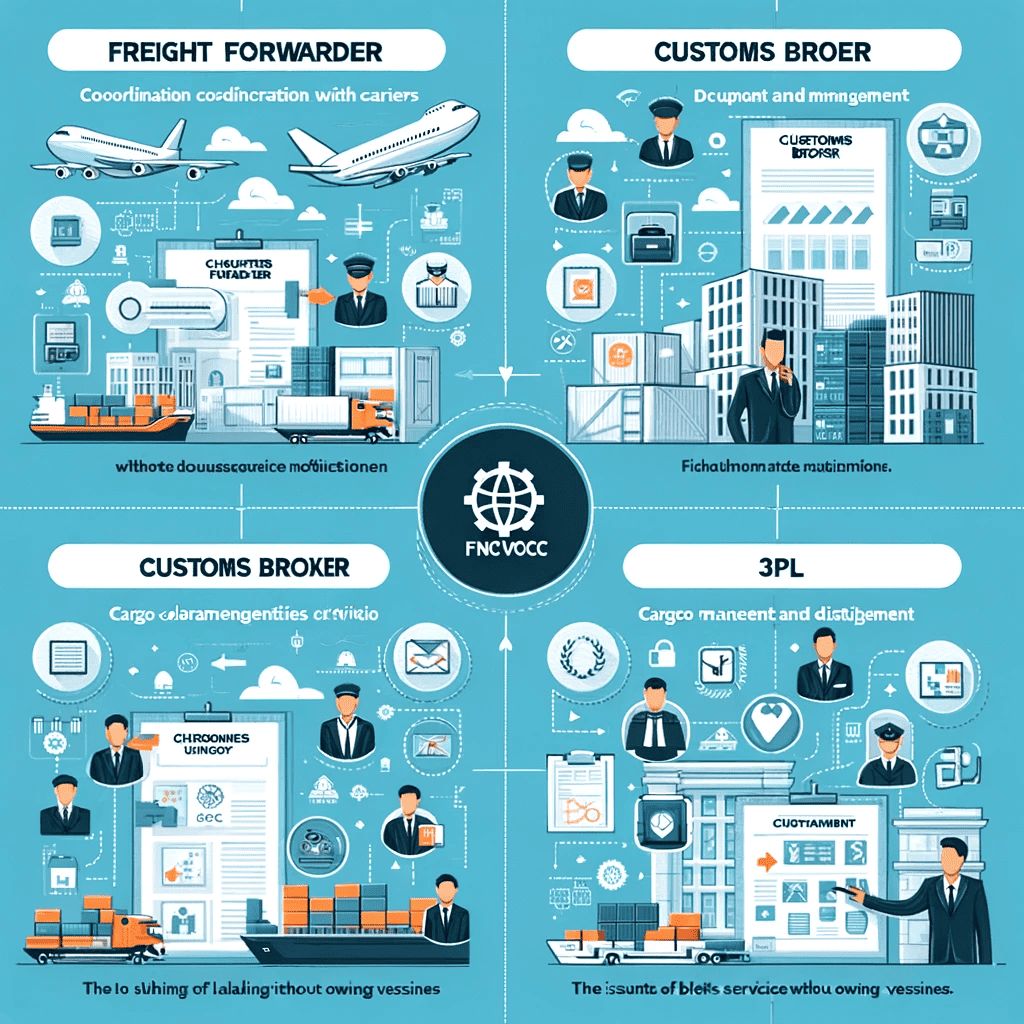
Understanding the roles and functions of freight forwarders, customs brokers, NVOCCs, and 3PLs is essential for efficiently navigating the logistics and supply chain industry. Here’s an in-depth look at each of these entities:
Freight Forwarder
- Role and Functions: Freight forwarders are the orchestrators of shipping logistics. They specialize in arranging the transport and logistics of goods across international borders. Their key responsibilities include coordinating with various carriers (air, sea, road, rail) to book cargo space, handling all necessary documentation, and ensuring shipments comply with international trade laws and regulations.
- Expertise: Freight forwarders possess in-depth knowledge of shipping routes, carrier strengths, and customs procedures, making them invaluable for businesses looking to transport goods globally.
Customs Broker
- Specialization: Customs brokers are experts in navigating the complex world of customs regulations. They act as liaisons between shippers and government agencies, ensuring that imported and exported goods comply with all the relevant laws and regulations.
- Key Services: Their services include preparing and submitting all necessary customs documents, calculating and paying taxes and duties, and facilitating communication between government authorities and shippers.
NVOCC (Non-Vessel Owning Common Carrier)
- Unique Position: NVOCCs operate similarly to ocean carriers, but they don’t own or operate their own vessels. Instead, they lease space from shipping lines, offering their own house bills of lading to shippers.
- Responsibilities: They assume responsibility for the cargo, offering consolidation services for smaller shipments and issuing bills of lading. NVOCCs are a vital link for shippers who require the services of a carrier but don’t have the volume to book direct with vessel operators.
3PL (Third-Party Logistics Provider)
- Broad Range of Services: 3PL providers offer a more extensive range of logistics services compared to freight forwarders. They can handle not just transportation, but also warehousing, distribution, and even some aspects of manufacturing logistics.
- Integration into Supply Chain: 3PLs often integrate deeply into their client’s supply chain, providing end-to-end solutions that include inventory management, order fulfillment, and logistics consulting.
Here’s a detailed comparison table outlining the key differences between a Freight Forwarder, Customs Broker, NVOCC, and 3PL:
| Aspect | Freight Forwarder | Customs Broker | NVOCC (Non-Vessel Owning Common Carrier) | 3PL (Third-Party Logistics Provider) |
|---|---|---|---|---|
| Primary Role | Arrange and manage logistics for shipping goods, especially internationally. | Facilitate the clearance of goods through customs; ensure compliance with import/export regulations. | Operate like a shipping line without owning vessels; issue their own bills of lading. | Provide comprehensive logistics and supply chain services, often integrating deeply into the client’s operations. |
| Key Services | – Coordinate with various carriers<br>- Manage shipping documentation<br>- Route planning | – Customs documentation preparation<br>- Calculation and payment of taxes and duties | – Cargo space leasing<br>- Cargo consolidation<br>- Issuing bills of lading | – Transportation<br>- Warehousing and storage<br>- Distribution and order fulfillment<br>- Inventory management |
| Expertise | In-depth knowledge of international shipping routes and logistics. | Specialized knowledge of customs regulations and procedures in various countries. | Similar to freight forwarders with added capability of issuing bills of lading and taking cargo responsibility. | Extensive expertise in managing multiple aspects of the supply chain beyond just transportation. |
| Cargo Ownership | Do not own transportation vessels; coordinate with carriers. | Do not transport goods; focus solely on customs procedures. | Do not own vessels but act as carriers in terms of cargo responsibility. | May or may not own transportation means; focus is on providing a range of logistics services. |
| Documentation Handling | Manages all shipping-related documentation. | Focuses on customs documentation. | Handles documentation similar to a shipping line, including bills of lading. | Manages a wide range of documents related to logistics, warehousing, and supply chain operations. |
| Client Interaction | Work directly with businesses to plan and execute shipping. | Act as intermediaries between businesses and customs authorities. | Provide carrier-like services to smaller shippers and freight forwarders. | Often deeply integrated with client businesses, handling multiple aspects of their logistics and supply chain. |
| Responsibility | Responsible for arranging transportation but not for the actual goods. | Responsible for ensuring legal compliance during customs clearance. | Take on more responsibility for the goods, similar to an actual carrier. | Provide end-to-end logistics solutions, taking responsibility for several aspects of the client’s supply chain. |
| Typical Clients | Businesses needing to transport goods internationally. | Businesses importing/exporting goods needing customs clearance assistance. | Shippers needing carrier services but not in large enough volumes to deal directly with vessel operators. | Businesses looking for comprehensive logistics services that extend beyond transportation, like warehousing and distribution. |
This table provides a comprehensive comparison, highlighting the unique roles and services of each entity in the logistics and supply chain industry. By understanding these differences, businesses can make more informed decisions when selecting the right logistics partner for their specific needs.
How to find a freight forwarder?
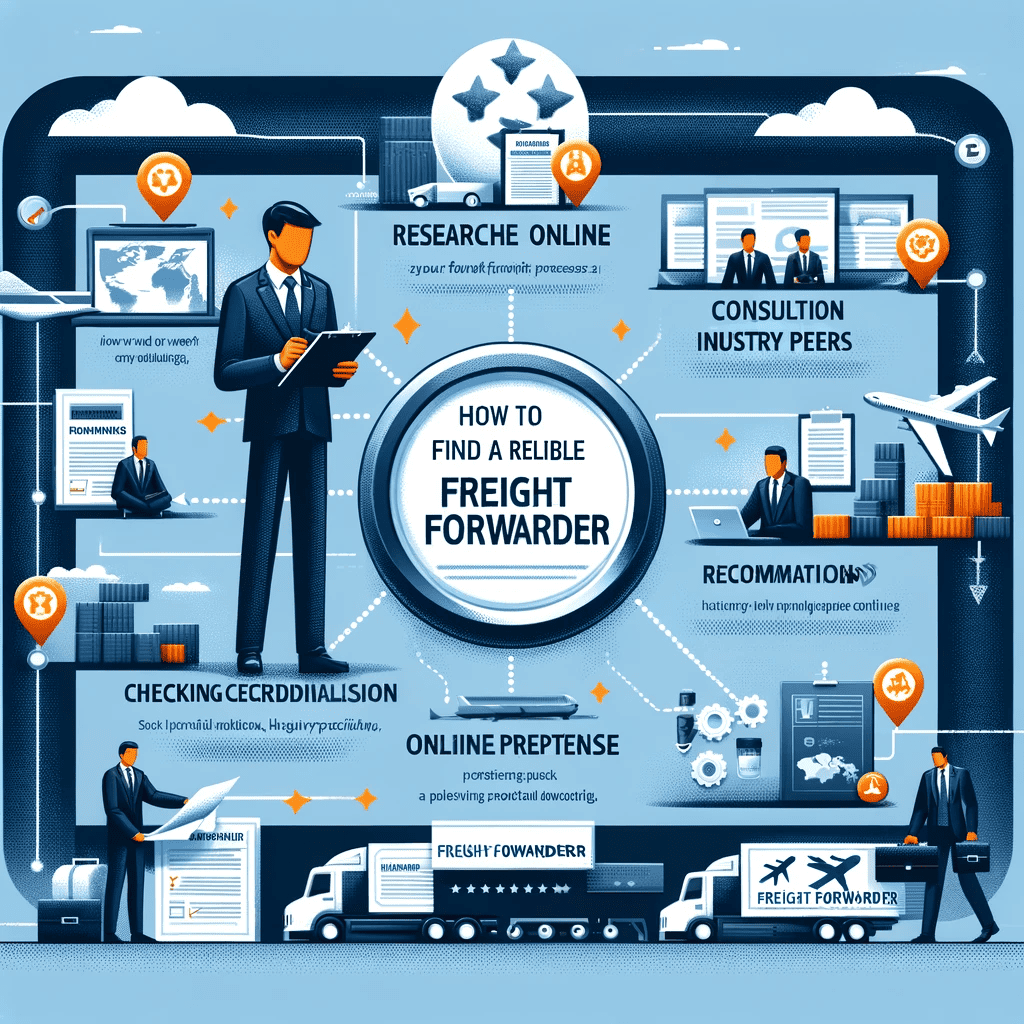
Selecting the right freight forwarder is a crucial decision for any business involved in international trade. Here’s a detailed step-by-step approach to finding a reliable freight forwarder:
1. Assess Your Specific Needs
- Understand Your Cargo: Begin by clearly understanding the nature of your cargo and specific shipping needs. Different forwarders specialize in different types of cargo and shipping routes.
- Industry Specialization: Look for forwarders that specialize in your industry. They will have a better understanding of your specific requirements and challenges.
2. Conduct Thorough Research
- Online Research: Utilize the internet to find freight forwarders that match your criteria. Look at their websites to understand their services, strengths, and areas of expertise.
- Read Reviews and Testimonials: Check online reviews, testimonials, and case studies. Websites like Trustpilot, Google Reviews, and industry-specific forums can provide valuable insights.
3. Seek Recommendations
- Network Consultation: Ask for recommendations from your business network, including suppliers, trade partners, and industry associates. Personal referrals can be incredibly valuable.
- Industry Associations: Engage with industry associations and groups related to your business. Members often share experiences and recommendations.
4. Verify Credentials and Experience
- Check Credentials: Ensure the forwarders you are considering have the necessary licenses and certifications. This may include FMC (Federal Maritime Commission) licensing for ocean shipments, IATA (International Air Transport Association) certification for air shipments, etc.
- Evaluate Experience: Look at the forwarder’s history and experience. How long have they been in business? What kind of clients have they served?
5. Evaluate Their Network and Resources
- Global Network: A forwarder’s global network is crucial. Check if they have a robust network in the countries you are shipping to or from.
- Resources and Capabilities: Assess their capabilities in terms of warehouse facilities, transportation options, and technological resources like tracking systems.
6. Attend Trade Shows and Industry Events
- Networking Opportunities: Trade shows and logistics industry events are excellent opportunities to meet forwarders in person, gather information, and make contacts.
- Direct Interaction: Use these events to ask questions, gauge their expertise, and get a feel for their customer service approach.
7. Request Proposals and Compare
- Get Quotes: Once you have shortlisted a few forwarders, request detailed proposals and quotes.
- Compare Services and Prices: Compare these proposals in terms of services offered, pricing, and the value they bring to your specific needs.
8. Make an Informed Decision
- Decision Time: Based on your research and comparisons, choose a freight forwarder that best aligns with your business needs, budget, and expectations for service quality.
Finding the right freight forwarder involves a combination of thorough research, industry networking, and careful evaluation of each forwarder’s capabilities and experience. This process, though time-consuming, is essential in ensuring that your cargo is in safe and capable hands.
What Makes a Reliable Freight Forwarder?

In the dynamic world of global trade, the role of a freight forwarder is indispensable. As businesses strive to reach new markets and expand their horizons, choosing the right freight forwarder becomes a pivotal decision. But what exactly makes a freight forwarder reliable and trustworthy? In this article, we delve into the key attributes that set apart a top-notch freight forwarder in today’s competitive marketplace.
Expertise and Experience
A reliable freight forwarder is characterized by deep industry knowledge and extensive experience. This expertise is not just about moving goods from point A to point B; it’s about understanding the complexities of international trade regulations, customs processes, and logistics challenges. Experienced freight forwarders navigate these intricacies effortlessly, ensuring that your cargo reaches its destination without unexpected delays or costs.
Global Network and Local Insight
The best freight forwarders have a robust global network paired with local insights. This combination is crucial for handling various logistical challenges and cultural nuances. A freight forwarder with connections to local agents and international shipping lines can provide more options and flexibility for your shipments.
Technology Integration
In the digital age, integrating technology is non-negotiable. A forward-thinking freight forwarder employs advanced tools for tracking, inventory management, and efficient communication. This technological edge not only enhances transparency but also ensures accuracy and speed in the freight forwarding process.
Customer-Centric Approach
Reliability also means putting the customer first. A freight forwarder that listens to your needs, understands your business objectives, and provides tailored solutions is invaluable. This customer-centric approach, coupled with excellent communication, builds a strong, trusting relationship.
Compliance and Safety Standards
Adherence to compliance and safety standards is a hallmark of a reliable freight forwarder. They ensure that all operations are conducted legally and ethically, minimizing risks associated with cargo transportation and international trade.
Choosing a reliable freight forwarder is crucial for the success of your international trade endeavors. The ideal partner offers a blend of expertise, global and local insights, technological prowess, customer focus, and a strong commitment to compliance and safety. When these elements come together, you can expect seamless, efficient, and cost-effective freight forwarding services.
The End
We trust that this comprehensive guide has illuminated the concept of a “freight forwarder” for you. Your insights and queries matter to us; feel free to share them in the comment section below.
Introducing ZingSourcing – Your Premier Sourcing Ally in China. At ZingSourcing, we pride ourselves on our expertise in sourcing a diverse array of Chinese products, tailored to your specific needs. Our strengths lie in our robust network of trusted suppliers and our longstanding partnerships with adept forwarders. Facing challenges in sourcing from China? Reach out to us for unparalleled solutions. Connect with ZingSourcing Today!