
Embroidery and screen printing are both popular methods for embellishing apparel, each offering unique advantages for your clothing line. If you’re deliberating between these two techniques, the upcoming discussion will provide valuable insights to guide your decision.
What is embroidery?
Embroidery is used for various purposes, including embellishing clothing, household items like table linens and bedspreads, and decorative art. It can be purely artistic or serve a functional role, such as reinforcing the edges of fabric. In some cultures, embroidery carries significant cultural and symbolic meanings, often being used in religious and ceremonial clothing and objects.
The art of embroidery has evolved over time, with the advent of machine embroidery adding a new dimension to the craft. Machine embroidery allows for the mass production of embroidered designs, making them more accessible, but hand embroidery is still valued for its individuality and the skill required.
What is screen printing?
Screen printing, also known as silk-screening or serigraphy, is a printing technique that involves creating a stencil (known as a “screen”) and using it to apply layers of ink onto a printing surface. The process can be used on various materials, including paper, fabric, and wood.
Screen printing is popular for its versatility, durability of the printed image, and the vivid colors that can be achieved. It’s widely used for printing designs on T-shirts and other apparel, posters, and various promotional items. The technique allows for bulk printing, making it a cost-effective method for large orders. Despite the rise of digital printing technologies, screen printing remains a preferred method for certain types of high-quality graphic prints.

We’ve successfully assisted numerous clients in customizing T-shirts and hoodies, utilizing both embroidery and screen printing techniques. Each method comes with its unique advantages.
Embroidery vs screen printing: Durability and printing effect
Embroidery generally offers superior durability. The threads used in embroidery are robust and can withstand heavy washing and wear.The design is less likely to fade or wear off over time compared to screen printing.Embroidery adds texture and a three-dimensional appearance to the design, giving it a premium look.While capable of detailed work, embroidery is less suitable for designs requiring high levels of detail or color gradients.
Embroidery is often chosen for smaller, more personal items like hats, polos, and work uniforms where a high-quality, professional appearance is desired.
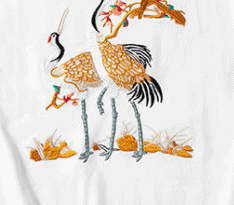
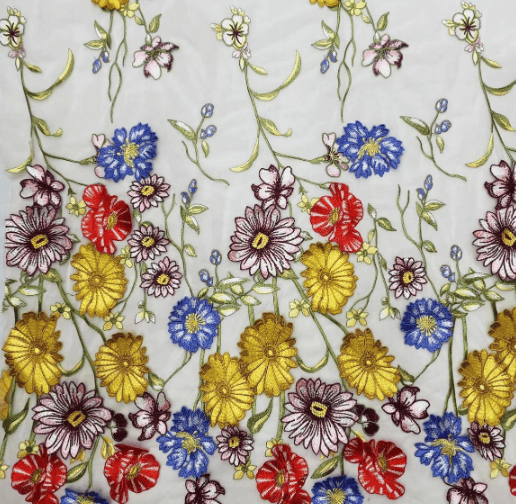
he durability of screen-printed designs can vary. High-quality inks and proper curing (heat setting) can make screen prints last a long time.Screen-printed items may fade over time, especially with frequent washing or exposure to sunlight. The ink may also crack or peel.Screen printing excels in reproducing detailed designs and vibrant colors, including gradients and complex graphics.The print is flat against the fabric, making it ideal for large designs that need to be smooth and integrated into the fabric.
Screen Printing is more suited for casual apparel, promotional items, and large orders where detailed or colorful designs are necessary.

Embroidery typically outlasts screen printing in terms of how well the design holds up to wear and washing.
For Design Impact: Screen printing offers more versatility for detailed, colorful designs, while embroidery provides a unique, tactile quality and professional appearance.
The choice between embroidery and screen printing ultimately depends on the specific requirements of the project, including the intended use, desired aesthetic, the material of the item, and budget considerations.
DTG printing.
For garments where intricate, multi-colored patterns are desired, along with an air of elegance and high quality, considering the use of embroidery and Direct to Garment (DTG) printing is essential. These methods are particularly well-suited for designs that demand fine detail and a luxurious feel, providing a premium finish to any apparel.
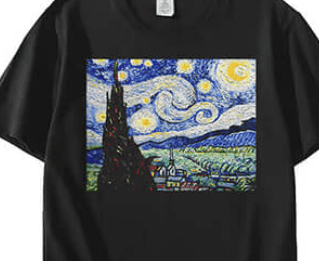
DTG printing is an excellent choice for producing high-quality, detailed designs, especially for small to medium-sized orders. It’s less labor-intensive than traditional screen printing and offers greater flexibility in terms of color and design complexity. However, it’s important to consider the type of fabric and the scale of the production when choosing between DTG and other printing methods like screen printing or embroidery.
Cost of embroidery vs screen printing on hoodies
Generally speaking, embroidery tends to be more costly compared to screen printing. This is often due to the intricate process and the higher level of detail involved in embroidery.
Embroidery price
1.The cost of embroidery is influenced by various factors including the design’s complexity, size, thread count, and the volume of the order.
Embroidery can be categorized into two types, with the first being direct embroidery onto the product. This method is less suited for extremely small or highly intricate designs.
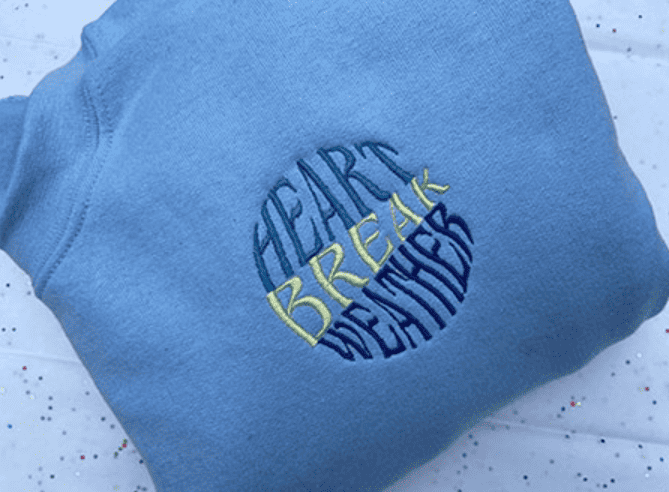
To illustrate, we assisted a client in embroidering a simple three-color letter pattern, 5cm in diameter, onto 200 sweatshirts. This project was priced at $1.50 per piece. However, if the design was altered to a single color, like yellow, the cost reduced to approximately $1.20 per piece. This example demonstrates how design simplicity and color choices can significantly impact the cost of embroidery.
2.
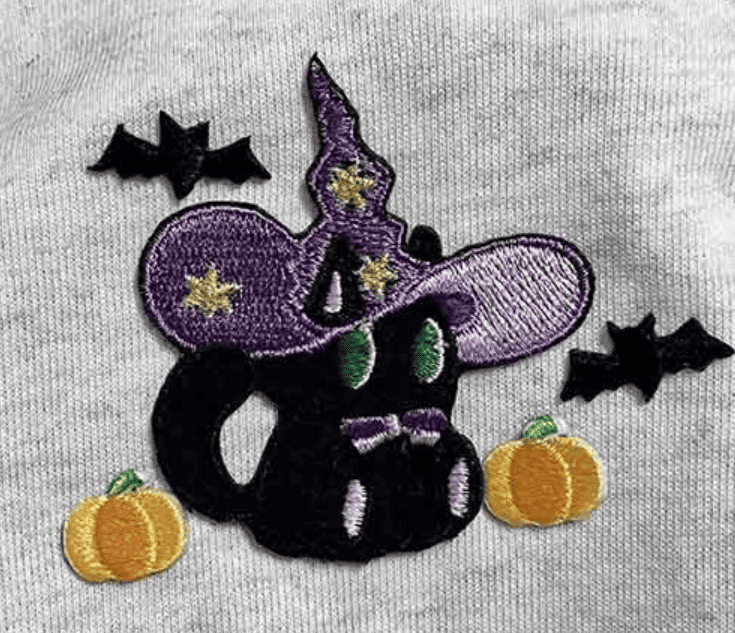
Another approach in embroidery involves creating patches and then sewing them onto the product. This method is particularly suitable for designs that are colorful and complex. Many embroidery factories specialize in producing such patches, which are then sold to garment manufacturers for application onto clothing. This process is common, and manufacturers often set a minimum order quantity, typically around 200 pieces.
In a recent project, we assisted clients in applying custom patches to 300 hoodies. The cost for this service was $0.8 per piece. This method is a cost-effective and versatile solution for adding detailed, multi-colored designs to garments, particularly in bulk orders.
Screen printing price
For orders exceeding 500 units, screen printing emerges as a cost-effective option for applying logos or patterns. The pricing for screen printing comprises two components: the plate-making fee and the printing labor fee.
- Plate-Making Fee: This fee typically ranges from $15 to $70, varying based on the material of the items being printed, the size of the pattern, and the number of colors involved.
- Printing Labor Charge: This cost depends on the material of the items being printed. For clothing, it’s approximately $0.3 per piece. The charge tends to be lower for harder materials like ceramics.
In a specific case, we assisted a client in screen printing a two-color, 5×5 cm² logo onto 500 shirts. The plate-making charge was $50 per plate. Therefore, the total cost amounted to ($50 x 2 plates) + ($0.3 x 500 pieces) = $250. This equated to a unit price of $0.5 per shirt. This example illustrates how screen printing can be an economical solution for larger orders, particularly when the design is not overly complex.
Which is better for garments?
Both embroidery and screen printing have their unique advantages, and the choice depends on the specific needs of your project. Consider the garment’s intended use, the desired aesthetic, the durability required, and your budget when making a decision.
If you want to customize embroidery or silk screen printing clothing, please contact us