
The world of hoodies is as diverse as it is comfortable, with a wide array of fabrics each offering unique qualities. In this guide, we explore 10 prevalent hoodie materials, delving into the advantages and drawbacks of each. This comprehensive overview is designed not only to inform but also to empower you in making savvy choices when it comes to selecting your next hoodie.
What to consider before customizing your hoodies?
- Durability:
- Opt for high-quality fabrics and stitching methods.
- Consider the thickness and density of the fabric, as these often impact durability.
- Understand the wash and wear resistance of different fabrics such as cotton, blends, and polyester.
- Breathability:
- Choose fabrics that offer good breathability, like cotton, suitable for warmer climates.
- For athletic or outdoor hoodies, consider materials with moisture-wicking properties.
- Comfort:
- Ensure the selected fabric feels soft and comfortable against the skin.
- Consider the lining of the hoodie, especially if it’s for colder environments.
- Focus on a fit that enhances comfort, whether it’s relaxed or more form-fitting.
- Warmth:
- For colder weather, opt for thicker fabrics like heavyweight cotton or wool blends.
- Consider adding extra lining or insulation materials.
- In terms of design, look at tighter cuffs and hem to block cold winds.
10 Types of hoodie materials
Different materials have various features, so types and functions of hoodies made are different.
Cotton
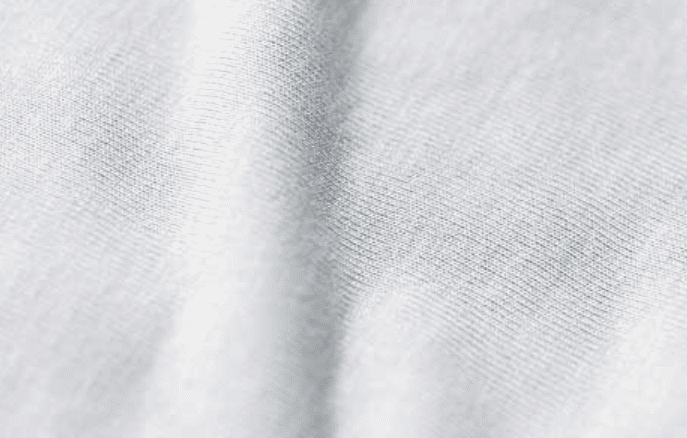
- Material: Made predominantly from cotton, these hoodies offer the natural softness, breathability, and absorbency of the fabric. Cotton hoodies can vary in weight, from lightweight for mild weather to heavyweight for extra warmth. Some hoodies may also be made from a cotton blend, combining cotton with materials like polyester or spandex for added stretch and durability.
- Design and Features:
- Hood: Equipped with a hood, often with drawstrings for adjustment, providing added warmth and protection against the elements.
- Pockets: Typically feature a front pouch pocket or side pockets for convenience.
- Cuffs and Hem: Often have ribbed cuffs and hems to help retain the hoodie’s shape and provide a snug fit.
- Styles and Fits: Available in a range of styles, including pullover and zip-up designs, and fits from slim to oversized.
- Applications:
- Casual Wear: Widely worn for everyday comfort and ease, suitable for various casual settings.
- Athleisure and Sportswear: Often worn for light exercise or as part of athleisure outfits, combining comfort with a sporty look.
- Layering Piece: Ideal for layering in colder weather, under jackets or over t-shirts.
- Fashion Statements: Designer cotton hoodies can be statement pieces in fashion ensembles.
- Advantages:
- Comfort: Cotton is soft against the skin, making these hoodies comfortable for all-day wear.
- Breathability: Suitable for a range of temperatures, cotton allows air to circulate.
- Versatility: Can be styled in numerous ways, fitting various fashion tastes and occasions.
- Durability: When well-maintained, cotton hoodies can last a long time, retaining their shape and color.
- Maintenance: Cotton hoodies are generally easy to care for. They can be machine washed, although it’s advisable to check care labels for specific instructions, especially for cotton blends or printed designs. Tumble drying should be done cautiously to prevent shrinkage.
- Environmental Considerations: While cotton is a natural material, conventional cotton farming can be resource-intensive. Choosing hoodies made from organic or sustainably sourced cotton can be a more environmentally friendly option.
cotton hoodies are a versatile and comfortable clothing item, perfect for casual wear, light exercise, or making a fashion statement. They combine the natural benefits of cotton with functional design elements, making them a popular choice in various wardrobes.
Polyester

- Material: Polyester is a man-made fabric produced from synthetic fibers. It’s known for its strength, resistance to shrinking and wrinkling, and quick-drying properties. Polyester fibers can also be blended with other materials like cotton or spandex to enhance comfort and flexibility.
- Design and Features:
- Moisture-Wicking: One of the key properties of polyester is its ability to wick moisture away from the body, making it ideal for active wear.
- Durability: Polyester hoodies are resistant to tearing and abrasion, making them long-lasting.
- Lightweight and Comfortable: Generally lighter than cotton, providing comfort without added bulk.
- Versatility in Style: Available in a range of styles, from athletic designs to more casual or fashion-forward looks. They can be found in various fits, colors, and with different features like zip-ups, pullovers, and with or without pockets.
- Applications:
- Athletic Wear: Commonly used for sports and workout attire due to their moisture-wicking and durable nature.
- Outdoor Activities: Suitable for outdoor activities as they provide insulation and dry quickly.
- Casual Wear: Worn in casual settings for their comfort and ease of maintenance.
- Layering in Colder Weather: Good for layering under jackets or over shirts in colder weather due to their insulating properties.
- Advantages:
- Easy Care: Polyester is machine washable and dries quickly, making it easy to care for.
- Wrinkle Resistance: Resists wrinkles, maintaining a neat appearance without the need for ironing.
- Color Retention: Holds colors well, with less fading over time compared to natural fibers.
- Maintenance: Polyester hoodies are relatively easy to maintain. They can be machine washed and dried without worry of significant shrinkage or damage. However, it’s recommended to avoid high temperatures when washing and drying to preserve the fabric’s integrity.
- Environmental Considerations: The production of polyester is energy-intensive and relies on petrochemical industries, which raises environmental concerns. Recycling polyester and using eco-friendly production methods are ways to mitigate these impacts.
polyester hoodies are a practical choice for both athletic and casual wear, known for their durability, moisture-wicking properties, and ease of maintenance. While they offer functional benefits, especially in active and outdoor settings, it’s important to consider the environmental aspects of polyester as a synthetic material.
Nylon
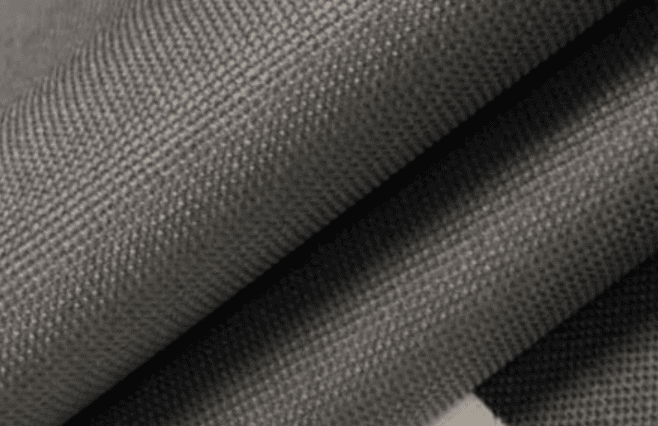
- Material: Nylon is a synthetic fabric characterized by its excellent tensile strength, abrasion resistance, and elasticity. It’s often used in blends with other fabrics like cotton or polyester to enhance comfort, moisture-wicking ability, and breathability.
- Design and Features:
- Durability and Resilience: Nylon is highly durable and resistant to tears and abrasions, making these hoodies long-lasting.
- Lightweight and Quick-Drying: Nylon fabric is lightweight and dries quickly, which is beneficial for active or outdoor use.
- Wind and Water Resistance: Many nylon hoodies offer some degree of wind and water resistance, making them suitable for outdoor activities.
- Flexibility and Comfort: The elasticity of nylon provides a comfortable fit and freedom of movement.
- Applications:
- Outdoor Activities and Sports: Ideal for hiking, camping, running, and other outdoor sports due to their durability and weather-resistant properties.
- Casual Wear: Nylon hoodies can also be worn as a casual, everyday item, particularly in urban and streetwear styles.
- Travel and Adventure Gear: Their lightweight and quick-drying nature make them excellent for travel and adventures where space and weight are considerations.
- Advantages:
- Ease of Maintenance: Nylon is easy to wash and maintain, and it retains its shape and color well after washing.
- Versatility: Suitable for a variety of uses, from sports and outdoor activities to casual everyday wear.
- Aesthetic Variety: Available in a wide range of colors and designs, catering to different style preferences.
- Maintenance: Nylon hoodies are generally easy to care for. They can be machine washed and dried, but it’s advisable to use a lower temperature setting to prevent any potential heat damage.
- Environmental Considerations: The production of nylon is energy-intensive and relies on petrochemicals, which raises environmental concerns. Additionally, nylon can contribute to microplastic pollution. Efforts are being made to produce more sustainable forms of nylon and to recycle existing nylon products.
nylon hoodies offer a combination of durability, flexibility, and practicality, making them a suitable choice for various activities, especially those involving outdoor elements. While they are valued for their performance qualities, it’s also important to consider the environmental impacts of synthetic materials like nylon.
Spandex
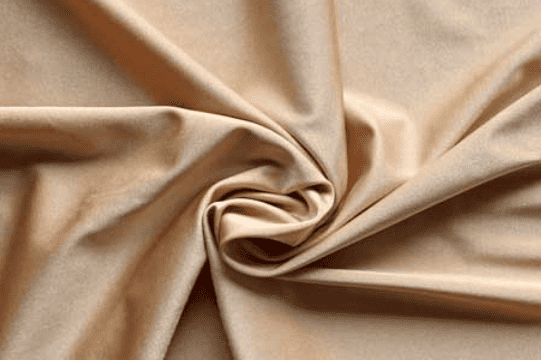
- Material: Spandex, often known under brand names like Lycra, is a synthetic fiber characterized by its significant stretchability. It’s usually blended with other materials like cotton, polyester, or nylon to enhance the fabric’s stretch, fit, and comfort.
- Design and Features:
- Stretch and Flexibility: The primary feature of spandex is its ability to stretch up to five times its original length and return to its original shape, providing a comfortable, body-hugging fit.
- Lightweight and Comfortable: These hoodies are lightweight and conform to the body’s shape, offering a high level of comfort and freedom of movement.
- Moisture-Wicking: When blended with other fibers like polyester, spandex hoodies can have moisture-wicking properties, making them suitable for active wear.
- Durability: Spandex fibers add strength and durability to the fabric, making these hoodies resistant to wear and tear.
- Applications:
- Athletic Wear: Ideal for exercise and sports due to their stretchability and comfort.
- Casual and Fashion Wear: Popular in casual fashion for their sleek look and comfortable fit.
- Layering Piece: Often used as a base or mid-layer in colder weather due to their snug fit.
- Advantages:
- Versatile Fit: Can accommodate a wide range of body types and movements, making them universally appealing.
- Aesthetic Appeal: Provides a modern, form-fitting look that is popular in contemporary fashion.
- Ease of Maintenance: Generally easy to care for, resistant to wrinkling and shrinking.
- Maintenance: Spandex hoodies can be machine washed and dried. However, it’s important to avoid high temperatures and harsh detergents, as these can break down the elastic fibers over time.
- Environmental Considerations: Like other synthetic fibers, spandex production involves petrochemicals and can have environmental impacts. Sustainable practices, such as using recycled materials, are increasingly being explored in the production of spandex blends.
spandex hoodies offer exceptional flexibility and comfort, making them a popular choice for both athletic and casual wear. Their form-fitting, stretchable nature makes them suitable for a wide range of activities, while also being a fashionable choice. However, the environmental impact of synthetic materials like spandex is an important consideration.
Wool
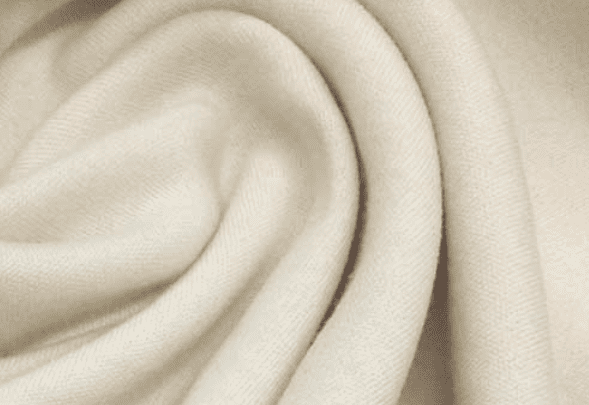
- Material: Wool fibers are known for their crimped texture, which creates tiny air pockets that enhance insulation. This natural fiber is also renowned for its moisture-wicking properties and ability to regulate body temperature. Wool used in hoodies can range from traditional sheep’s wool to more luxurious varieties like merino or cashmere.
- Design and Features:
- Warmth and Insulation: Wool’s natural insulation properties make these hoodies exceptionally warm, ideal for chilly weather.
- Moisture-Wicking and Breathability: Wool can absorb moisture without feeling wet, keeping the wearer comfortable and dry.
- Odor Resistance: Natural wool is resistant to odors, making it suitable for prolonged wear and outdoor activities.
- Styles and Comfort: Available in various styles, from chunky knits to fine weaves, and can be designed with features like zip fronts, pullovers, and adjustable hoods.
- Applications:
- Outdoor Activities: Excellent for hiking, camping, and other outdoor pursuits in cold conditions due to their warmth and breathability.
- Casual and Everyday Wear: Popular for daily wear in cooler months, offering comfort and a classic aesthetic.
- Travel and Adventure: Ideal for travelers and adventurers due to their multi-functional qualities and durability.
- Advantages:
- Durability: Wool fibers are naturally strong and resilient, ensuring that wool hoodies can last for years with proper care.
- Eco-Friendly: Wool is a renewable resource and biodegradable, making it an environmentally friendly choice.
- Natural Elasticity: Wool fibers have a natural stretch, providing a comfortable fit and freedom of movement.
- Maintenance: Wool requires careful handling and cleaning. It’s generally recommended to hand wash or use a gentle machine cycle and avoid high temperatures to prevent shrinking. Wool hoodies should be dried flat to maintain their shape.
- Environmental Considerations: While wool is a natural and sustainable fiber, considerations around animal welfare and sustainable farming practices are essential. Choosing wool from sources that practice ethical and environmentally friendly methods is advisable.
wool hoodies are a durable, comfortable, and environmentally conscious choice, particularly suited for cold weather and outdoor activities. They combine the natural benefits of wool with versatile designs, making them a popular choice for a variety of uses.
Rayon

- Material: Rayon is a soft, breathable fabric with a smooth, comfortable feel against the skin. It’s often favored for its ability to mimic the properties of natural fibers like cotton and silk, while being more cost-effective.
- Design and Features:
- Soft Texture and Comfort: Rayon hoodies offer a soft, comfortable wear experience, suitable for those who prefer smooth, lightweight fabrics.
- Drapability: Rayon’s excellent drapability gives these hoodies a flattering, flowy fit.
- Breathability: Like cotton, rayon is breathable, making it comfortable for wear in various climates.
- Versatile Style Options: Available in various styles and colors, rayon can be combined with other fibers for added stretch or durability.
- Applications:
- Casual Wear: Ideal for everyday wear due to their comfort and style.
- Fashion and Trendy Outfits: Often used in fashion-forward and trendy designs because of rayon’s versatility and aesthetic appeal.
- Layering Piece: Suitable as a layering piece in different weather conditions due to its lightweight nature.
- Advantages:
- Aesthetic Appeal: Offers a luxurious look and feel at a more affordable price point compared to silk.
- Color Retention: Rayon holds dyes well, resulting in vibrant and lasting colors.
- Comfort: Provides comfort and breathability, making it suitable for prolonged wear.
- Maintenance: Rayon can be more delicate than other fibers. It may shrink or lose shape in the wash, so it’s often recommended to hand wash or use a gentle cycle and avoid high temperatures. Some rayon fabrics may require dry cleaning.
- Environmental Considerations: While rayon is made from renewable plant materials, the process of turning wood pulp into fabric typically involves chemicals that can be harmful to the environment. Eco-friendly versions of rayon, like Tencel, are being developed to address these concerns.
rayon hoodies offer a blend of comfort, style, and affordability, making them a popular choice for casual and fashion wear. They provide the softness and drape of more luxurious fibers without the high cost, but require careful maintenance and consideration of environmental impact.
Jersey
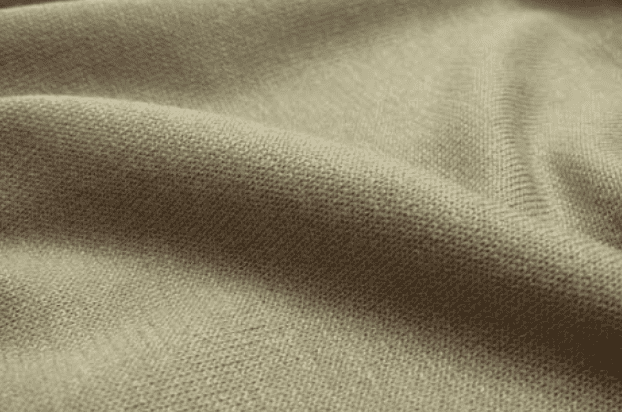
- Material: Jersey is a soft, stretchy, and breathable fabric. It’s typically made from cotton, synthetic fibers like polyester, or a blend of these materials. The knit construction gives jersey its characteristic stretch and makes it comfortable to wear.
- Design and Features:
- Stretch and Flexibility: The stretchiness of jersey fabric allows for a comfortable fit and freedom of movement, which is ideal for hoodies.
- Softness and Comfort: Jersey hoodies are known for their soft texture, making them comfortable for everyday wear.
- Durability: While being soft, jersey is also quite durable and maintains its shape and color well after washing.
- Versatility in Style: Available in various weights, from lightweight for warmer weather to heavier for cooler temperatures. They can be styled in numerous designs, including pullovers, zip-ups, and oversized fits.
- Applications:
- Casual Wear: Perfect for everyday casual wear due to their comfort and versatility.
- Athleisure and Sportswear: Commonly used in activewear for workouts or sports, as they allow for easy movement.
- Fashion Statements: Designer hoodies often use jersey fabric for a mix of style and comfort.
- Layering: Ideal for layering, as the fabric isn’t too bulky and can comfortably fit under jackets or over shirts.
- Advantages:
- Comfortable Fit: The natural stretch and softness make jersey hoodies extremely comfortable.
- Breathability: Good for a range of temperatures, as the fabric breathes well.
- Easy Care: Generally, jersey hoodies are easy to care for, machine washable, and resistant to wrinkles.
- Maintenance: Jersey fabric is usually easy to maintain. It can be machine washed and dried, though it’s best to avoid high heat as it can cause shrinkage, especially in cotton jerseys.
- Environmental Considerations: The environmental impact of jersey hoodies depends on the fiber used. Cotton jersey is renewable but can be water-intensive to produce, while synthetic fibers like polyester are derived from petrochemicals. Choosing jersey made from organic cotton or recycled materials can be more environmentally friendly.
Injersey hoodies are a popular choice for their comfort, stretch, and versatility. They are suitable for a wide range of activities and styles, from casual everyday wear to active sportswear. Easy to care for and available in various styles, jersey hoodies are a practical and comfortable option in both men’s and women’s wardrobes.
French terry

- Material: French terry is a mid-weight knit fabric, typically made from cotton or a blend of cotton and synthetic fibers. It features loops and soft piles of yarn on one side, and a smooth, soft surface on the other. This looped backing provides a plush texture that is absorbent and comfortable against the skin.
- Design and Features:
- Softness and Comfort: The looped interior of French terry offers a comfortable, soft texture, making these hoodies ideal for everyday wear.
- Breathability and Moisture-Wicking: French terry is breathable and capable of wicking moisture away from the body, making it suitable for active use.
- Warmth: While being breathable, the fabric also provides a moderate amount of warmth, making it versatile for different seasons.
- Versatile Styles: French terry hoodies are available in various designs, including pullovers and zip-up styles, and can range from fitted to relaxed fits.
- Applications:
- Casual Wear: Perfect for casual, everyday wear due to their comfort and style.
- Athleisure and Sportswear: Common in athleisure and sportswear, as they are comfortable, functional, and stylish.
- Layering: Ideal for layering in cooler weather, as they provide warmth without being too heavy.
- Advantages:
- Comfort and Flexibility: The fabric’s stretch and softness offer comfort and flexibility for a range of activities.
- Durability: French terry is a durable fabric that holds up well to regular wear and washing.
- Year-Round Wear: Suitable for wear across different seasons due to its balanced warmth and breathability.
- Maintenance: French terry hoodies are generally easy to care for. They can be machine washed and dried, though it’s advisable to wash them in cold water and tumble dry on low to maintain the fabric’s integrity and avoid shrinkage.
- Environmental Considerations: The impact on the environment depends on the type of fibers used. Cotton-based French terry is renewable but can be water-intensive, while synthetic blends may involve petrochemicals. Choosing organic cotton or recycled materials can be more sustainable choices.
French terry hoodies are favored for their unique combination of comfort, breathability, and casual style. They are versatile for various settings, from lounging at home to engaging in light physical activities, and offer a practical solution for comfortable, year-round wear.
Fleece
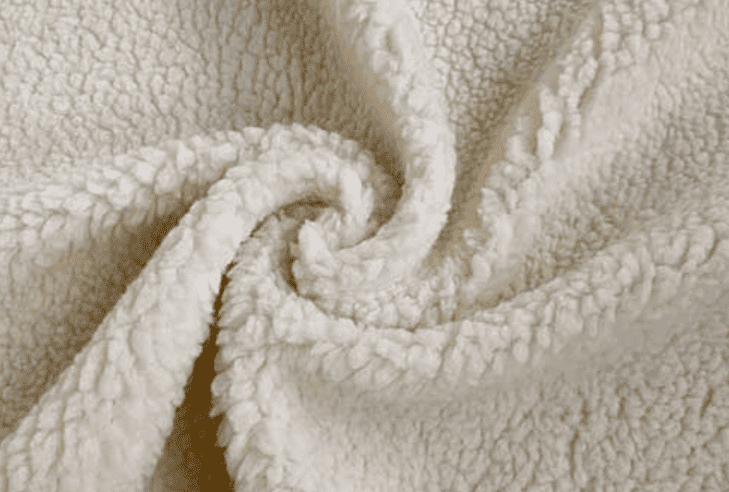
- Material: Fleece is a synthetic fabric, typically made from polyester. It’s known for its plush, soft texture that resembles sheep’s wool. The fabric is created by brushing and shearing the polyester fibers to increase their volume, resulting in a dense, yet lightweight material.
- Design and Features:
- Warmth and Insulation: Fleece hoodies provide excellent warmth and insulation, making them ideal for cooler temperatures.
- Lightweight and Comfortable: Despite their warmth, fleece hoodies are relatively lightweight and extremely comfortable.
- Moisture-Resistant: Fleece has hydrophobic properties, meaning it resists moisture and dries quickly.
- Versatility: Available in various thicknesses, fleece hoodies can be worn in a range of climates, from chilly evenings to colder winter days.
- Applications:
- Outdoor Activities: Popular for hiking, camping, and other outdoor pursuits, as they provide warmth without the bulk.
- Casual Wear: Commonly worn for everyday activities, offering comfort and ease of movement.
- Athletic and Sportswear: Used in athletic wear for training in cooler conditions due to their balance of warmth and breathability.
- Layering Piece: Ideal for layering under jackets in extreme cold, as they can be a lightweight yet warm mid-layer.
- Advantages:
- Durability: Fleece is a durable material that withstands wear and tear.
- Easy Care: Typically easy to wash and maintain, and resistant to pilling.
- Eco-Friendly Options: Many brands now offer fleece made from recycled materials, particularly recycled plastic bottles.
- Maintenance: Fleece hoodies can be machine washed and dried. However, it’s recommended to wash them with like colors and avoid ironing or using fabric softeners, as these can damage the fleece’s texture and insulation properties.
- Environmental Considerations: Traditional fleece is made from polyester, a petroleum-based material. While it has a long lifespan, its production is energy-intensive, and it can shed microfibers that contribute to microplastic pollution. Opting for fleece made from recycled materials can help mitigate these environmental impacts.
fleece hoodies are a popular choice for their warmth, comfort, and versatility. They are suitable for a wide range of activities, from casual everyday wear to outdoor adventures in colder weather. With the advent of eco-friendly fleece options, they can also be a more sustainable choice in winter clothing.
Corduroy
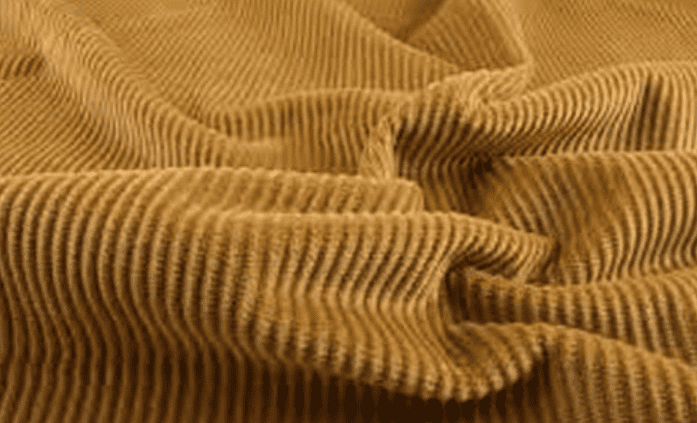
- Material: Corduroy is a woven fabric typically made from cotton or a cotton blend. It features ridged patterns, known as wales, which vary in size. The wales give corduroy its characteristic ribbed texture and plush feel. The thickness and weight of corduroy can vary, with some being lightweight and others more suitable for colder weather.
- Design and Features:
- Texture and Warmth: The ribbed texture of corduroy not only adds visual interest but also provides warmth, making these hoodies suitable for cooler weather.
- Durability: Corduroy is known for its durability and resistance to wear.
- Style Variety: Available in various colors and wale sizes, from fine to wide, allowing for different style preferences.
- Comfort and Fit: While corduroy is less stretchy than some other fabrics, it’s often combined with stretchable materials for added comfort and a better fit.
- Applications:
- Casual and Fashion Wear: Popular in casual and street fashion for their unique texture and retro vibe.
- Seasonal Use: Particularly suitable for autumn and winter fashion due to their warmth and texture.
- Versatile Styling: Can be styled with various outfits, complementing both casual and more dressed-up looks.
- Advantages:
- Aesthetic Appeal: Corduroy adds a classic, vintage appeal to clothing, including hoodies.
- Comfort: Provides a comfortable wear experience due to its soft, plush texture.
- Durability: A sturdy fabric that holds up well over time with proper care.
- Maintenance: Corduroy requires some care to maintain its appearance and texture. It’s recommended to wash corduroy garments inside out in cold water and hang them to dry to prevent shrinking and to maintain the integrity of the wales. Ironing should be done carefully to avoid crushing the ribs.
- Environmental Considerations: As most corduroy is made from cotton, its environmental impact is similar to that of cotton products, which includes considerations around water usage and pesticide use in cotton farming. Choosing corduroy made from organic cotton can be a more sustainable option.
corduroy hoodies offer a blend of style, comfort, and durability, making them a popular choice for those looking for a garment with a unique texture and a retro feel. They are particularly suited for cooler weather and can add a distinctive touch to a variety of outfits.
Polyester hoodie vs cotton hoodie
- Polyester Hoodies:
- Made from synthetic fibers.
- Excellent moisture-wicking properties, making them suitable for active wear.
- More resistant to wrinkles and shrinkage.
- Generally more durable and retains shape over time.
- Can be less breathable compared to cotton.
- Cotton Hoodies:
- Made from natural cotton fibers.
- Highly breathable, which is comfortable for everyday wear.
- Tends to be softer and gentler on the skin.
- Absorbs moisture (sweat) but doesn’t wick it away, which can cause the fabric to feel wet or heavy.
- Prone to shrinking and wrinkles.
Comfort and Wear
- Polyester Hoodies: The moisture-wicking ability makes them more comfortable for sports and physical activities. However, for some, the feel of synthetic fabric is less comfortable than cotton.
- Cotton Hoodies: Preferred for casual wear due to their natural softness and breathability. The material’s comfort is favored for lounging or less intense activities.
The End
We’re Zingsourcing, a leading sourcing company in China. If you want to wholesale or customize Hoodie from China, please don’t hesitate to CONTACT US!