
Alibaba is a well-known global wholesale platform that offers a wide range of products, from clothing to electronics to daily necessities.
It is known for offering a large number of cheap goods, which raises many questions about the quality and authenticity of the products.
In order to answer this question, we need to analyze Alibaba’s product pricing and quality from several angles.
Why is Alibaba so cheap? 5 Reasons
1.Economic benefits of wholesale model
Bulk Buying Cost Effectiveness:
Alibaba’s heart lies in wholesale trade, selling items in bulk. This approach drops the cost per unit for production and distribution. For example, making 10,000 T-shirts instead of 100 reduces the manufacturing cost per shirt due to scale economies. This lets suppliers lower prices while potentially boosting their profit margins.
Less Middlemen in Direct Sales:
Traditional retail involves many intermediaries like wholesalers and retailers, adding costs passed to consumers. Alibaba’s model often sees products sold straight from manufacturers to buyers, cutting out many middleman expenses, thus lowering prices.
Streamlined Supply Chain:
Alibaba connects suppliers with global buyers efficiently, enhancing transaction speed and supply chain management. This cuts down on unneeded logistics and storage costs, with savings possibly reflected in buyer prices.
Adaptable Pricing:
Alibaba enables sellers to vary prices based on order size. Larger orders often lead to bigger discounts. This pricing method encourages bulk buying and lets smaller buyers access goods typically available only in large-scale production.
Market Competition Ensuring Price Benefits:
With many suppliers on Alibaba competing for global buyers, this competitive scene forces them to keep prices attractive. This not only keeps prices down but also promotes better product quality and service.
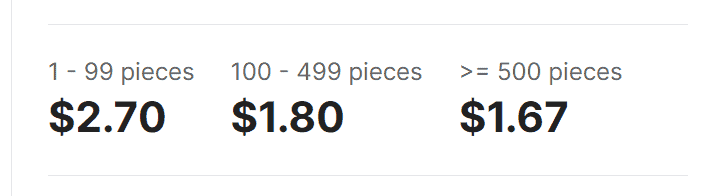
The more you buy, the better
2.Low production cost
Advantages of Mass Production:
China’s industrial sector excels in large-scale manufacturing, leading to economies of scale. This approach enhances efficiency and lowers the cost per unit due to mass production benefits. Consequently, even smaller producers can afford to make goods in bulk at reduced costs, allowing them to offer competitive pricing internationally.
Reduced Labor Costs Effect:
Labor costs in China are comparatively low, especially significant in labor-intensive industries, impacting overall production costs. This cost advantage permits Chinese manufacturers to offer products at lower prices without compromising quality.
Advanced Supply Chain Networks:
China’s supply chain has evolved, featuring effective logistics, extensive raw material networks, and quick adaptability in production. This development enables quick market response, cost efficiency, and operational effectiveness, giving Chinese products a pricing edge.
Technological Advancements and Innovation:
China’s heavy investment in manufacturing technology and automation has boosted production efficiency and improved product quality. Ongoing technological progress has cut production expenses and led to the creation of higher-quality goods that align with market needs.
Government Support and Economic Policies:
The Chinese government’s backing, including tax incentives and export rebates, has somewhat reduced production and export costs. These policies create a conducive economic setting, allowing producers to market their goods at more competitive rates.
3.Cut out the middleman
Extensive Supplier Base:
Alibaba consolidates a wide array of global suppliers, presenting products of varying quality levels. Buyers have access to an extensive selection, from affordable, basic items to premium goods, catering to different market needs and financial limits.
Quality vs. Price Dynamics:
Often, more affordable products may lack certain features or the refinement of luxury items, yet they still fulfill essential functions, making them ideal for price-sensitive buyers. Conversely, pricier products often feature superior materials, craftsmanship, or technology, enhancing their quality.
Quality Assurance Practices:
Alibaba motivates its suppliers to enforce strict quality control. This ensures even the more budget-friendly items undergo quality assessments, guaranteeing fundamental functionality and safety. Premium products, however, are subject to more comprehensive quality control to achieve higher standards of performance and longevity.
Customer Reviews and Feedback:
Alibaba’s system promotes detailed buyer feedback and reviews, providing valuable insights into the quality of products. These reviews help prospective buyers determine the value for money across various price points.
Product Strategy and Target Market:
Suppliers on Alibaba tailor their offerings to specific market segments and target demographics. Some focus on economical basic products, while others aim for the luxury segment, providing high-quality products and services.
4.Fierce competition
Options for the Budget-Minded:
Alibaba provides a broad range of affordable, varied products, ideal for budget-conscious shoppers. The site is a treasure trove of cost-effective purchases, from basic clothing to economical household items, ensuring even low-priced goods satisfy essential quality and functionality.
Catering to the Luxury Segment:
Alibaba also appeals to those seeking premium products, where buyers are often ready to spend more for enhanced quality, materials, or craftsmanship. The platform features a diverse array of high-quality items, including electronics, designer wear, professional equipment, and luxury furniture.
Addressing Varied Needs:
Alibaba’s extensive supply chain meets the varied requirements of its customers, supporting both individuals in search of unique items and businesses making bulk orders. Its ability to offer such varied solutions contributes significantly to Alibaba’s global success.
Responding to Market Trends:
Alibaba stays in tune with shifting market trends and consumer tastes, regularly updating its offerings. It leverages consumer insights and market data to introduce new items that cater to current demands, phasing out less popular products.
Tailored Shopping Experience:
Alibaba’s platform enhances shopping with its personalized search and recommendation features, which suggest products based on users’ past purchases and preferences. This personalization improves the shopping experience, helping users find items that suit their needs and budget more efficiently.
5.Different quality grades
Rigorous Supplier Screening:
Alibaba implements a strict supplier vetting process to ensure only those who meet certain standards can sell on their platform. This involves examining business licenses, production capabilities, and past reputation. Alibaba thus guarantees the authenticity and trustworthiness of its sellers.
Buyer Reviews and Feedback:
Alibaba’s system allows customers to leave detailed ratings and comments on their purchases. These reviews serve as crucial guides for other shoppers, helping them assess the product’s authenticity and quality. Products with more positive reviews gain greater trust.
Quality Control Checks:
Alibaba enforces strong quality control, conducting regular inspections and compliance assessments. These actions are crucial in maintaining the standard and regulation compliance of the products, minimizing the distribution of fake or inferior items.
Intellectual Property Safeguards:
Alibaba is committed to protecting intellectual property rights, with a robust policy framework to prevent infringement. This includes active monitoring and addressing complaints from copyright holders, reducing the prevalence of counterfeit branded items.
Consumer Knowledge Enhancement:
Alibaba invests in raising consumer awareness about fakes, using educational materials and guides. This initiative aims to sharpen buyer discernment, promoting more informed and cautious purchase choices.
In general, Alibaba’s products are cheap because of its unique wholesale model, low production costs, direct sales without middlemen, fierce competition in the market, and the ability to offer products at different levels of quality.
Alibaba’s products are so cheap, are they genuine?
The authenticity and quality of products on Alibaba’s platforms is a concern for many consumers, especially given their often low prices. Here are a few things to consider:
Supplier Variety:
Alibaba operates as a vast international wholesale market, hosting numerous suppliers globally. These vendors provide a spectrum of products, spanning from high to low quality, including both authentic and imitation goods.
Authentic vs. Counterfeit:
Although Alibaba features many authentic items, like other large online marketplaces, it faces challenges with counterfeit and substandard products. Alibaba has initiated efforts to fight fake goods, yet the responsibility to discern authentic items rests with the buyers.
Pricing Indicators:
A low price might not necessarily signify a counterfeit product, but it can be a warning sign. Buyers should be cautious of exceptionally low prices, particularly for branded products that are usually more expensive.
Buyer Verification:
Conducting an in-depth supplier evaluation is crucial before making a purchase. This assessment should look at the supplier’s ratings, reviews, and sales history. Often, buyers request samples to check product quality firsthand.
Platform Regulations:
Alibaba enforces policies and procedures to control supplier and product quality, such as supplier verification and buyer feedback mechanisms. These protocols help maintain a level of quality for the products offered on the platform.
Therefore, for importers who want to buy branded products, it is a more secure choice to buy through official stores and approved distribution channels. In other cases, there is a risk of fraud.
The word “genuine” emphasizes “guaranteed quality.” Therefore, claims that are labeled as “proven vendors” should not be relied on blindly. On Alibaba, such labels are ubiquitous, and most vendors have such certifications. And about 70 to 80 percent of them are trading companies, not actual manufacturers. Even if a lot of time and effort is invested in evaluating suppliers, the end result may not be as desired. It is often a challenge to judge the reliability of the supplier before the actual cooperation.
This is where Zingsourcing can help.
As a leading sourcing service provider, Zingsourcing has successfully sourced a wide range of high quality and affordable products for more than 4,000 customers worldwide.
We maintain a comprehensive database of suppliers that specialize in different product categories and are mainly concentrated in major industrial clusters in China. As a result, we are able to offer our customers highly competitive product quotations.
We have established strong relationships with all our suppliers who have undergone rigorous factory audits and have a long history of working with us. Therefore, customers can rely on the services provided by Zingsourcing.
In addition, we have a good relationship with a number of long-term cooperation freight forwarders, can get you preferential shipping rates, such as 20% to 50% discount on official Courier charges. We also offer the service of collecting and shipping goods from suppliers in different cities in China, which can significantly reduce your transportation costs, which is an important part of the overall procurement cost.
Throughout the product sourcing process, Zingsourcing is always from the customer’s point of view, committed to helping customers reduce costs as much as possible in terms of production, customization, packaging and transportation, and is responsible for tracking every link of production, inspection and transportation.