
This comprehensive manual is designed to provide you with an in-depth understanding of strategic product sourcing from China. We’ll cover a range of crucial topics, including:
- The advantages and disadvantages of sourcing products from China, giving you a balanced view of what to expect.
- Detailed insights on identifying and engaging with reliable suppliers in the Chinese market.
- Common pitfalls in the sourcing process and how to sidestep them to ensure a smooth operation.
- Additional valuable tips and strategies to enhance your sourcing journey.
If you’re aiming to expand your business by leveraging Chinese product sourcing, this guide is tailored specifically for you. Let’s embark on this journey to unlock the potential of your business through effective sourcing strategies.
China product sourcing basic
China, known as “The World’s Factory,” offers high-quality and cost-effective products, making it a magnet for global businesses.
Many companies have thrived by sourcing from China, allowing them to focus on their core operations.
The rapid pace of China’s sourcing market has attracted top global firms, with many establishing their own sourcing offices in China or partnering with local sourcing agents to leverage the competitive advantages.
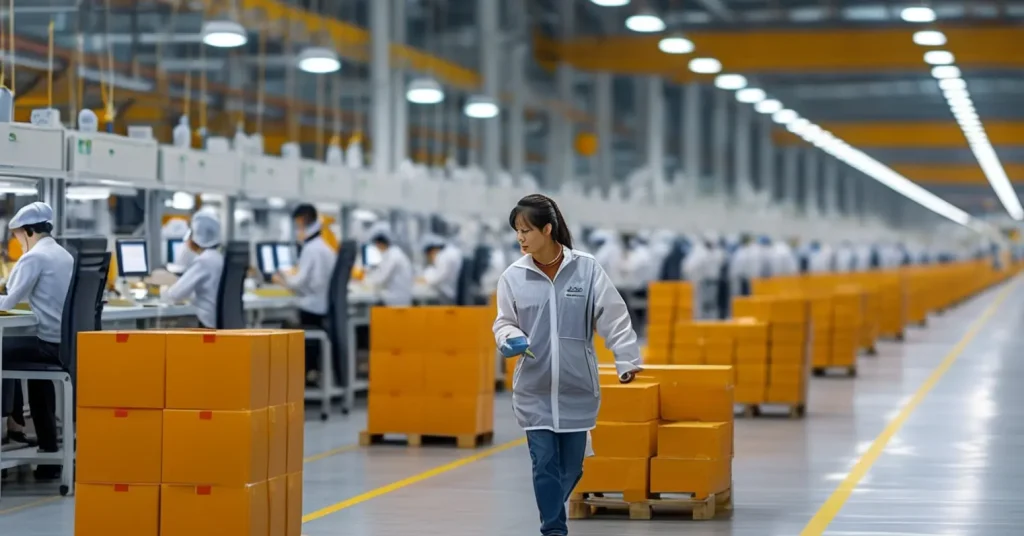
What is the China product sourcing strategy?
The sourcing strategy is a crucial aspect of the supply chain, especially for companies engaging with Chinese markets.
It involves a systematic approach to gathering information about potential suppliers, evaluating their business structures, and determining compatibility with the firm’s requirements.
This strategy not only helps in establishing partnerships with suppliers but also empowers firms to negotiate better prices, maximizing their purchasing power.
The popularity of the China product sourcing strategy is on the rise, fueled by advancements in digital technology that have transformed purchasing and supply chain dynamics.
This digital evolution assists firms in scrutinizing their procurement decisions, including the specifics of what was purchased, from whom, at what cost, and in what quantity.
However, mastering strategic sourcing can be challenging due to its complexity and the breadth of topics it encompasses, requiring a detailed and nuanced understanding of the process.
Why is the China product sourcing strategy important?
Businesses should explore various sourcing strategies, including the “source products China” approach, to optimize their supply chain and procurement processes. According to insights from Zycus’ publication, strategic sourcing offers significant benefits:
Cost Reduction
One of the primary benefits of strategic sourcing is the potential for significant cost savings. By identifying and partnering with suppliers who provide the best value for money, businesses can achieve sustained cost reductions. This process involves a careful evaluation of suppliers to ensure they offer competitive pricing and value.
Selection of Ideal Suppliers
The process begins with a thorough assessment of potential suppliers, evaluating their capabilities, financial health, and alignment with the firm’s objectives. This ensures that businesses have the necessary information to select suppliers that can contribute to their value creation goals, thereby optimizing expenditures.
Alignment with Business Objectives
A key aspect of the China product sourcing strategy is ensuring that procurement activities are in sync with the company’s broader business goals and strategies. This alignment helps in enhancing operational efficiency, minimizing supply chain risks, and achieving superior business outcomes.
Fostering Long-Term Relationships
Developing long-standing relationships with suppliers, particularly those based in China, is crucial. Such relationships are mutually beneficial, as they not only support the supplier’s development and alignment with your business needs but also lead to preferential pricing, access to exclusive product updates, and superior service quality.
How does the China product sourcing strategy work?
Implementing a China product sourcing strategy is advantageous for businesses seeking not just cost reductions but also long-term value and strategic partnerships. This approach promotes a holistic and sustainable method to sourcing, emphasizing strategic alignment and flexibility, which can significantly contribute to a firm’s profitability over time.
For newcomers, navigating the China product sourcing landscape might seem daunting. One practical solution is to engage a China product sourcing agent, who possesses the expertise to navigate the entire sourcing process effectively. However, for those ready to take on the challenge directly, the strategy unfolds in the following steps:
Evaluate Suppliers
Begin by assessing the product offerings, strategies, practices, and organizational structure of potential suppliers to understand their capabilities and alignment with your needs.
Develop a Tailored Sourcing Strategy
Craft a sourcing plan that aligns with your company’s goals, ensuring that the approach is customized to fit your specific requirements.
Analyze and Select Suppliers
Conduct a comprehensive review of the suppliers’ portfolios and establish a diversified supplier base that can meet your needs.
Establish Proposal Guidelines
Define clear guidelines and templates for proposal requests to streamline communication and comparison between potential suppliers.
Negotiate and Select
Choose the most suitable supplier based on your criteria and negotiate terms that benefit both parties.
Implement and Integrate
Formally partner with your chosen supplier and begin the process of integrating their products or services into your operations.
Continuous Monitoring and Adjustment
Regularly review the performance of your sourcing strategy and supplier relationships, making adjustments as necessary to optimize outcomes.
Pros and cons of sourcing products from China
Sourcing products from China can be a highly effective strategy to enhance your business’s competitive edge, offering attractive deals that can be passed on to customers while maintaining profitability. However, to capitalize on these opportunities, it’s crucial to approach this strategy with a well-considered plan.
Before embarking on importing from China or engaging with a China import agent, it’s important to conduct a thorough analysis of the advantages and disadvantages. Here’s a brief overview of the pros and cons associated with sourcing products from China:
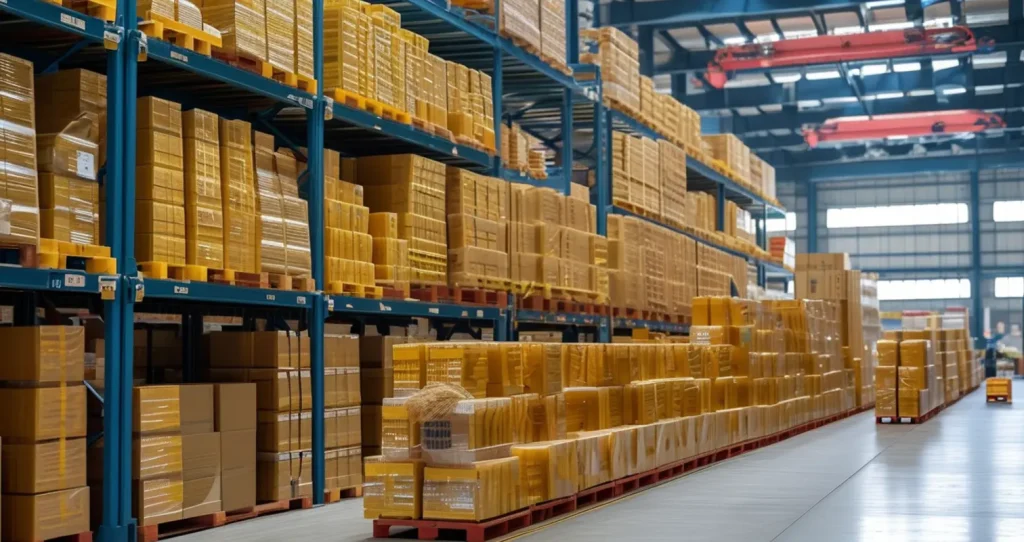
Pros:
- Cost Efficiency: One of the most compelling reasons to source from China is the potential for reduced costs, particularly in manufacturing and labor, which can lead to lower product prices.
- Diverse Supplier Base: China offers a vast network of suppliers across various industries, providing businesses with numerous options to find the right manufacturing partner.
- Scalability: Chinese manufacturers are known for their ability to scale production up or down based on demand, allowing for flexibility in order fulfillment.
- Innovation and Speed: Many Chinese suppliers are adept at quickly adapting to market changes and technological advancements, offering innovative solutions at a rapid pace.
Cons:
- Quality Control: Ensuring consistent quality can be a challenge, necessitating strict quality assurance processes and regular monitoring.
- Cultural and Language Barriers: Communication challenges can arise due to language differences and cultural nuances, potentially affecting negotiation and collaboration.
- Longer Lead Times: The distance and logistics involved in shipping from China can result in longer lead times, requiring effective planning and inventory management.
- Regulatory Compliance: Navigating the legal and regulatory framework for importing from China can be complex, with requirements that vary by product and region.
Where to find goods and China product sourcing agent
Trade shows
Attending trade shows in China offers a unique opportunity to directly engage with a wide array of suppliers and manufacturers. These events allow you to personally meet with potential business partners, discuss their offerings, assess their production capabilities, and gain a comprehensive understanding of their supply chain and product range. Here’s an overview of some prominent trade shows in China that are worth considering:
- Canton Fair (China Import and Export Fair): This is one of the largest and most comprehensive trade fairs in China, held biannually in Guangzhou. It covers a vast range of industries and is an essential event for businesses looking to source a diverse array of products.
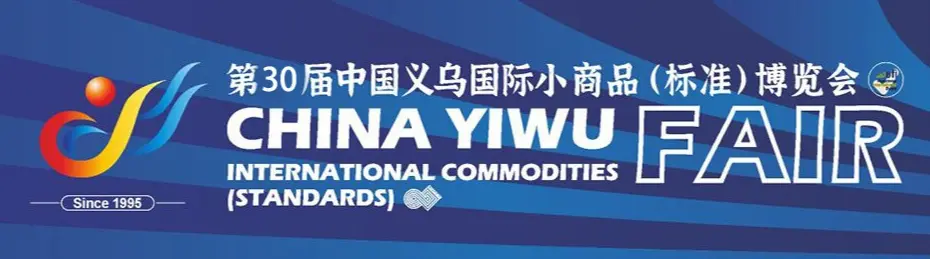
- Yiwu Trade Fair (China Yiwu International Commodities Fair): Located in Zhejiang Province, this fair is known for showcasing small commodities and consumer goods. It’s an excellent venue for finding affordable items and potential suppliers in various consumer categories.
- Beijing Auto Show (Auto China): As one of the premier automotive exhibitions in the world, this event is pivotal for businesses in the automotive industry, offering insights into the latest trends and innovations in vehicle manufacturing and design.
- The Bauma Fair (China International Construction Machinery Exhibition): This trade show is a must-visit for those in the construction and machinery sector, presenting the latest in construction machinery, building material machines, mining machines, and construction vehicles.
- The Shanghai Import and Export Commodity Fair: This event, taking place in one of China’s major economic hubs, showcases a broad range of products and services, making it a valuable fair for businesses looking to source from China across different sectors.

China product sourcing websites
Exploring online platforms is a highly efficient way to initiate China factory sourcing. By using search engines like Google, Yahoo, or Bing, you can input specific keywords related to your needs, such as “electronic manufacturers,” to obtain a comprehensive list of potential suppliers and manufacturers. This approach allows you to access a wealth of information about these entities, including their product offerings and business details, all from a single point of access.
Starting your sourcing journey online offers several advantages:
- Wide Reach: You can access a global database of suppliers and manufacturers, expanding your options beyond local or known contacts.
- Detailed Research: Websites and online profiles provide detailed information about the companies, including their history, product lines, manufacturing capabilities, and customer reviews.
- Direct Communication: Many platforms enable direct contact with suppliers, facilitating quicker communication and negotiation processes.
- Comparison and Verification: You can easily compare different suppliers, verify their credentials, and assess their suitability for your business needs.
Additionally, specialized trade platforms like Alibaba, Global Sources, and Made in China are invaluable resources for China factory sourcing. These platforms are specifically designed to connect international buyers with Chinese suppliers, offering user-friendly interfaces, buyer protection policies, and a vast range of products and services across various industries. By utilizing these online resources, you can significantly streamline the sourcing process, making it more efficient and effective in finding the right suppliers for your business needs.
Trading company
Understanding the distinction between trading companies and manufacturing companies is crucial when sourcing products from China. While trading companies act as intermediaries, offering products from various manufacturers, manufacturing companies produce the goods themselves. Although a significant portion of listings on B2B platforms may represent trading companies, many of these entities are reputable and can provide valuable services, such as product variety, quality assurance, and logistic support.
For finding vendors, here’s a list of the top B2B trading platforms that are well-regarded in the industry:
- Alibaba: One of the largest and most well-known platforms, Alibaba connects buyers with a vast network of suppliers, both traders and manufacturers, from various industries.
- Global Sources: Renowned for its reliable suppliers and manufacturers, Global Sources is a platform that caters to extensive industry sectors, offering high-quality products.
- DHgate: Specializing in small to medium purchases, DHgate is a Chinese e-commerce platform that provides a wide range of products with a focus on small and medium-sized businesses.
- Made in China: This platform is known for its comprehensive listings of Chinese suppliers and manufacturers, facilitating direct business dealings with factories.
- Ofweek: An industrial B2B marketplace focusing on high-tech sectors, offering a variety of products and services in the technology sphere.
- HKTDC: This platform provides a trustworthy channel for connecting with Hong Kong-based companies and suppliers, offering a wide range of products and services.
- Hifactory: A global B2B platform, Hifactory connects buyers with Chinese manufacturers and suppliers across different industries.
- Kompass: With a global reach, Kompass offers detailed business information and a comprehensive directory of companies to facilitate international trade.
- Tradekey: A marketplace that provides opportunities for global trade, Tradekey connects international buyers and suppliers from various sectors.
- ECVV: A leading B2B platform in China, ECVV offers safe and reliable sourcing options with its extensive supplier directory.
Chinese sourcing company
Engaging a Chinese sourcing company like Zingsourcing can be incredibly beneficial if you’re looking for comprehensive support throughout the sourcing process. These companies specialize in navigating the complexities of the Chinese market and can offer a range of services to ensure a smooth and efficient procurement process. Here’s what a company like Zingsourcing typically provides:
- Supplier Identification: They conduct thorough research to identify suppliers that meet your specific needs and requirements, saving you time and effort in finding reliable partners.
- Price Negotiation: Leveraging their market knowledge and negotiation skills, they can help you secure the best prices, ensuring that you get cost-effective deals without compromising on quality.
- Supply Management: They manage the entire supply chain process, from order placement to delivery, ensuring that the operations run smoothly and efficiently.
- Quality Control Management: Implementing stringent quality control measures, they oversee the production process to ensure that the final products meet your standards and specifications.
- Logistics and Shipment Control: They handle the logistics, including transportation and customs clearance, ensuring that your goods are delivered on time and in good condition.
- Resolution of Other Sourcing Issues: They are equipped to deal with a range of sourcing-related challenges, from language barriers and cultural differences to regulatory compliance and market dynamics.
Using a service like Zingsourcing can significantly reduce the complexities and risks associated with sourcing from China, providing you with peace of mind and the freedom to focus on other critical aspects of your business.
China product sourcing strategy list
Know which China source products you want
Before sourcing from China, clearly identify the products you need. Avoid trendy items; instead, opt for those with long-term market potential. Understand the product’s specifications, ensure it complies with relevant regulations, and focus on items known for profitability in China. This approach will help secure a more stable and successful market presence.
Specify and validate the source products China
Before contacting suppliers in China, prepare detailed product specifications and conduct a cost analysis. This preparation ensures you communicate your needs clearly and understand the financial viability of your product. Early validation also checks for compliance with legal standards, helping to avoid future issues and unnecessary expenses.
Know the sourcing China manufacturers base
Navigating China’s extensive manufacturing and supplier network can be daunting, especially for inexperienced importers. Utilizing China product sourcing websites like Alibaba, Global Sources, and Made in China simplifies this process by providing access to a wide range of suppliers and their products across various locations.
Moreover, it’s important to recognize that different regions in China specialize in specific industries. According to Berkely Sourcing Group, here are some key products and their associated provinces:
- Furniture: Notable production in Guangdong, Hebei, Jiangsu, Zhejiang, Shanghai, Chengdu, and Beijing.
- Electronics: Major hubs in Guangdong, the Yangtze River delta, Sichuan, and Shaanxi.
- Textiles: Zhejiang, Jiangsu, Fujian, Guangdong, and Shandong are known for their textile industries.
- Glass: Hebei, Jiangsu, Shandong, and Guangdong provinces are significant producers.
- Household Appliances: Predominantly manufactured in Guangdong, Zhejiang, and Shandong.
Narrow down the suppliers and manufacturers
To effectively source from China, begin by compiling a comprehensive list of potential suppliers. This can be achieved through different methods:
- Utilize China Product Sourcing Websites: Platforms like Alibaba, Global Sources, and Made in China offer extensive databases of suppliers in various industries.
- Consult with a Chinese Sourcing Company or Import Agent: These entities specialize in connecting businesses with reliable suppliers. Opting for this route often yields a curated list of vetted, trustworthy suppliers.
It’s advisable to start with a broad list of around 100 to 50 suppliers, then methodically narrow down your choices based on criteria such as experience, production capacity, quality control measures, and price competitiveness. This process helps in identifying the top 5 suppliers who best match your business needs and standards, ensuring a more targeted and effective sourcing strategy.
Reach out to them
In today’s digital age, contacting suppliers is convenient thanks to the internet. When you identify potential suppliers online, such as through their websites, you can reach out to them directly via contact forms, email, or messaging platforms like WhatsApp. Additionally, attending trade shows, like the Canton Fair in Guangzhou, offers a valuable opportunity to meet a wide range of suppliers in person.
Here are some tips for effectively communicating with suppliers:
- Be Direct and Concise: Ensure your quote request or initial contact is straightforward, focusing on the essential details without unnecessary introductions or repetitive information.
- Clarity is Key: Clearly articulate what you need, avoiding vague descriptions to ensure that the supplier understands your requirements.
- Use Simple Language: Opt for clear and simple words that can be easily translated into Mandarin, reducing the risk of miscommunication.
By following these guidelines, you can improve communication efficiency with Chinese suppliers, leading to more productive interactions and better outcomes in your sourcing efforts.
Know China’s rules and law
Navigating the regulatory landscape is crucial when importing products from China, as compliance with local and international laws ensures smooth customs clearance. The specific documents required can vary depending on the destination country and the type of product being imported. To prevent any legal issues or delays at customs, it’s vital to have all the necessary paperwork in order. According to the International Trade Administration, here are some essential documents needed for importing products sourced from China:
- Bill of Lading: A document issued by a carrier to acknowledge receipt of cargo for shipment.
- Invoice: Details the transaction between the seller and buyer, including the type, quantity, and price of goods sold.
- Packing List: Provides information on how the goods are packed, including the number of boxes, sizes, and weights.
- Customs Declaration: A form filled out by the importer or agent that details the nature of the goods being imported, their value, and the quantity.
- Insurance Policy: Documents the insurance coverage for the goods being shipped.
- Sales Contract: The official agreement between the buyer and seller outlining the terms and conditions of the sale.
- Import Quota Certificate for General Commodities: Required for certain goods subject to import restrictions or quotas.
- Import License: A government authorization permitting the importation of certain goods.
- Inspection Certificate: Verifies that the goods have been inspected and meet the required quality standards.
- Other Safety or Quality Licenses: Depending on the product, additional certifications may be necessary to demonstrate compliance with safety or quality standards.
Use incoterms and the landing cost
Incoterms (International Commercial Terms) are standardized terms used in international trade to clarify the responsibilities of sellers and buyers regarding the shipment of goods. They define who bears the costs and risks at various stages of the shipping process. Understanding these terms is crucial for effectively managing shipping logistics and financial responsibilities. The two most commonly used incoterms for overseas shipping are:
- Free on Board (FOB): Under this term, the seller is responsible for all costs and risks until the goods are loaded onto the ship at the specified port of departure. Once the goods are on board, the buyer assumes responsibility for all further risks and shipping costs.
- Ex Works (EXW): This term places the maximum obligation on the buyer. The seller’s responsibility ends when the goods are made available for pickup at their premises or another named place. The buyer bears all costs and risks involved in taking the goods from the seller’s location to the desired destination.
Additionally, it’s important to consider the landed costs, which encompass all expenses associated with getting the product from the supplier to the final point of sale, including shipping, insurance, and customs duties. Accurately calculating these costs is essential for determining the total cost of sourcing and ensuring profitability. If landed costs are higher than expected, it may be necessary to renegotiate terms or find ways to reduce these expenses to protect your profit margins.
Order sample products
Obtaining sample products is a crucial step in the supplier selection process. These samples help verify that the supplier can produce the item to your specifications and meet your quality standards within a reasonable timeframe. Generally, sample production should take about 3 to 7 days, after which the samples should be ready for shipping to your location.
Communicating to the supplier or manufacturer that you are obtaining samples from multiple sources is important. This transparency serves two purposes:
- Quality and Timeliness Assessment: It allows you to compare the quality of the products and the efficiency of different suppliers in producing and delivering the samples.
- Competitive Awareness: Knowing that they are in competition with other suppliers may motivate them to prioritize the quality and timeliness of their sample production to secure your business.
Negotiate with your Chinese sourcing supplier
Before entering negotiations with a supplier, it’s essential to determine your priorities. While securing the lowest price might seem appealing, it often comes at the expense of product quality. Therefore, focusing solely on price reduction can lead to compromises in other crucial areas. Here are key factors to consider during negotiations, beyond just the unit cost:
- Cost of Your Initial Order: Understand the total cost involved in your first order, including production and shipping. This will help you budget accurately and negotiate better terms.
- Payment Terms: Discuss and negotiate the payment schedule, methods, and conditions. Flexible payment terms can ease cash flow, especially for large orders.
- Additional Units to Cover Defects: Negotiate the inclusion of extra units to compensate for potential defects or quality issues, ensuring you have enough sellable stock.
- Customized Labeling: If your products require branding, discuss the options and costs for customized labeling with the supplier.
- Packaging and Preparation: Ensure the packaging meets your standards and is suitable for the journey to your location. Discuss the costs and responsibilities for the packaging and preparation of goods for shipment.
Sign a deal with your chosen supplier
Having a detailed contract in place with your supplier is vital as it acts as a legal safeguard when discrepancies arise. This contract should explicitly outline the expectations and responsibilities of both parties, providing clarity and recourse in case of issues. Key elements to include in your contract are:
- Damaged Products: Specify the course of action and responsibilities if the products received are damaged. This includes the conditions under which a product is considered damaged, how claims should be filed, and the timeframe for resolving such claims.
- Missing Specifications: Clearly define the product specifications, and outline the remedies or actions to be taken if the delivered products do not meet these specifications. This could include replacement of the goods, adjustments to future orders, or financial compensation.
- Late Delivery: Establish clear delivery timelines and the consequences of failing to meet these deadlines. This could involve penalties, cancellation rights, or other compensatory measures for late delivery.
Check the payment account
Ensuring the accuracy and security of payment transactions is crucial when dealing with international suppliers. Before making a payment, verify all details meticulously to prevent fraud and financial loss. Here’s what you should do:
- Verify Supplier’s Bank Account Information: Check that the bank account details of the supplier match the name on the contract and their official website. This step is essential to ensure you are sending money to the legitimate business entity.
- Confirmation Through Multiple Channels: If bank details or payment instructions are provided via email, confirm them through another communication method, such as Skype or a phone call, to avoid falling victim to email fraud or phishing attacks.
Regarding payment methods, while PayPal is commonly used in many parts of the world, it may not be the preferred or most convenient option for many suppliers in China. Instead, consider using the following payment methods that are widely accepted and trusted in China:
- Alipay: A leading online payment platform in China, offering secure and efficient transactions.
- UnionPay: A major card payment organization in China, accepted in many countries around the world.
- WeChat Pay: Another popular payment service in China, integrated into the WeChat social media platform.
- Visa and Mastercard: While these are internationally recognized credit cards, ensure that your supplier accepts these for international transactions.
Choosing the right payment method that is both acceptable to the supplier and secure for you is an important step in establishing a trustworthy and reliable business relationship.
Make an initial payment
Making an initial payment is a common practice in international trade, signaling your commitment and enabling suppliers to start production. However, paying the full amount upfront can be risky. It’s advisable to negotiate terms that protect both parties. A common approach is to pay a portion of the total order cost upfront, with the balance paid upon completion of production or delivery of the goods.
Here’s how you can approach the initial payment:
- Determine an appropriate percentage of the total order value to pay upfront. This often ranges from 30% to 50%, depending on the negotiation with the supplier.
- Calculate the initial payment based on the agreed percentage and the total cost of the current quarter’s purchases.
- Ensure that the payment terms are clearly outlined in your contract, including the initial payment percentage, subsequent payment milestones, and conditions under which these payments are made.
Production updates
Establishing regular communication with your supplier is essential for successful order management. Make it a routine to request weekly progress reports on your orders. This consistent check-in helps monitor production and identify any issues early on. Here’s how to manage it effectively:
- Schedule Weekly Updates: Agree with the supplier on a weekly schedule for progress updates. This regular interaction ensures you stay informed about the production status and any potential delays or problems.
- Early Problem Notification: Instruct the factory to promptly inform you of any issues that arise. Early detection allows for quicker resolution and can prevent minor problems from escalating.
- Action Plan for Issues: When problems are reported, work collaboratively with the supplier to develop and implement an action plan to address and resolve the issues promptly.
- Document Communication: Keep a record of all communications and reports received. This documentation can be useful for reference and in case of disputes.
Quality control
Ensuring that your products are regularly inspected during the production process is critical to maintaining quality and avoiding potential issues. Regular checks allow you to identify and address problems early, ensuring that the final products meet your standards. Here’s how you can approach this:
- Define Inspection Criteria: Clearly outline the quality standards and inspection criteria for your products. This ensures that both you and the supplier understand the expectations.
- Use Various Inspection Types: Depending on the nature of your products and the terms of your agreement with the supplier, consider different types of inspections, such as:
- Pre-production Inspection: Checks the materials and components before production begins.
- During Production Inspection: Assesses the products during the manufacturing process to ensure that quality standards are being maintained.
- Final Random Inspection: Conducted on the completed products before shipment to verify that they meet the specified quality criteria.
- Engage with Sourcing Company Services: If you are using a Chinese sourcing company, take advantage of their inspection services. They can provide local expertise and conduct thorough inspections on your behalf, often with better access and insight into the local manufacturing practices.
- Regular Updates and Reports: Request regular inspection reports from the sourcing company or your own quality control team. These reports should detail the findings and any corrective actions taken.
Shipping
Ensuring the smooth transit of your items from the manufacturer to your location is crucial in the sourcing process. Here’s what you need to do to facilitate this:
- Verify Delivery to Forwarder: Make sure that the goods have been delivered to your freight forwarder or shipping company in China. Confirm receipt of the items and that they are ready for the next leg of the journey.
- Complete Documentation: Ensure all necessary documents for shipping and customs clearance are prepared and accurate. This includes the bill of lading, invoice, packing list, customs declaration, and any other documents specific to your products or the countries of import/export.
- Collaborate with Shipping Company: If you are using a shipping company or a freight forwarder, confirm that they have all the information needed for customs clearance, including details about tariffs and fees. They should be familiar with the requirements for shipping products from China to your destination country and can help navigate the process.
- Monitor Shipment: Stay in regular contact with your forwarder or shipping company to track the progress of your shipment and address any issues promptly.
Mistakes to avoid when sourcing goods from China
Here are common mistakes to avoid when sourcing products from China:
- Skipping Sample Orders: Not ordering sample products can lead to surprises in quality and specification mismatches. Always request and review samples before committing to large orders.
- Neglecting Supplier Reviews: Failing to check a supplier’s history and client feedback can lead to partnering with unreliable entities. Onsite visits provide deeper insights into their operational standards and capabilities.
- Having Unclear Criteria: A lack of clear requirements can result in unsatisfactory products. Conversely, overly specific demands can complicate production. Aim for detailed yet flexible product specifications.
- Not Securing a Contract: Operating without a contract increases risk. A comprehensive contract safeguards both parties, outlining expectations, responsibilities, and recourse for issues.
- Overemphasizing Price: Prioritizing cost over quality and partnership can degrade product quality and strain supplier relationships. Balance price negotiations with long-term partnership goals.
- Lacking a Sourcing Strategy: Without a clear sourcing strategy, managing overseas transactions and supplier relations can be challenging. Develop a strategy that defines your goals and outlines the procurement process.
- Avoiding Sourcing Agents: While not mandatory, Chinese sourcing agents offer expertise, established supplier networks, and negotiation leverage. Opting out of their services may increase risks and costs.
Avoiding these pitfalls can lead to a more successful and reliable sourcing experience from China.
Benefits of working with a Chinese sourcing agency
Lower the risk
Working with a Chinese sourcing company or import agent can mitigate risks when sourcing products from China. They provide access to vetted suppliers, handle legal and compliance matters, offer on-the-ground quality checks, and manage logistics and shipping. This reduces the likelihood of scams and ensures smoother, more reliable transactions.
Source products china made of high grade
A China product sourcing agent brings valuable skills and experience to the table, having collaborated with numerous international firms. They possess a deep understanding of the diverse needs and preferences of their clients, as well as the critical details and frameworks necessary for crafting effective sourcing contracts. Their expertise ensures that they can negotiate contracts that meet client expectations and result in satisfaction with the outcomes. Key to their role is the commitment to deliver high-quality products, underpinned by their ability to navigate the complexities of the Chinese manufacturing landscape and secure the best possible deals and product standards for their clients.
Save time, money, and effort
Working with a Chinese sourcing company or agent can significantly reduce the risks of losing money, time, and effort in the product sourcing process. These professionals leverage their expertise and networks to secure the best prices and high-quality products for their clients. By entrusting this task to a sourcing agent, you can focus on other aspects of your business while they handle the complexities of sourcing, ensuring that you receive excellent results with minimal hassle.
Verify suppliers
A China import agent plays a crucial role in connecting businesses with reliable suppliers. They offer a range of services that facilitate smoother and more secure transactions:
- Providing a List of Verified Suppliers: They can supply a list of verified suppliers who have been pre-screened for quality and reliability, saving you time and reducing the risk of engaging with untrustworthy entities.
- Supplier Inspection and Verification: If you have identified potential suppliers, an import agent can conduct on-site inspections and verifications, leveraging their local presence or network in China to ensure the suppliers meet your standards and requirements.
- Handling Paperwork and Audits: Import agents can oversee the necessary paperwork and conduct audits to confirm that the supplier is compliant with relevant regulations and standards, and is a good fit for your business needs.
Help with culture and language barrier
Language and cultural barriers are significant challenges when sourcing products from China. Chinese sourcing agents, who are typically fluent in both English and Chinese, can bridge this gap effectively. They facilitate seamless communication with producers and factories, eliminating the need for translation services.
Beyond language proficiency, these agents possess an in-depth understanding of Chinese business etiquette and cultural nuances. Their knowledge and experience in the local business environment can provide significant advantages, particularly during negotiations. They can navigate complex business discussions, ensuring that interactions are respectful and aligned with Chinese customs and practices.
By leveraging the expertise of Chinese sourcing agents, international businesses can gain a strategic edge in negotiations and foster stronger relationships with Chinese suppliers, enhancing the overall sourcing experience and outcome.