
Today, I’m excited to guide you through an exploration of China’s trending products, essential for enhancing your lifestyle. We’ll delve into:
- Trending Product Categories from China: Uncovering the diverse and dynamic sectors where Chinese innovation shines, from cutting-edge electronics to sustainable goods and fashion-forward apparel.
- Sourcing Made-in-China Products: Discovering the pathways to access these goods, whether through online marketplaces, direct from manufacturers, or through trade shows and expos.
- Identifying Top-Quality Chinese Goods: Strategies and tips for distinguishing the finest products, understanding quality benchmarks, and navigating the vast landscape of options to find the best of what China has to offer.
So, let’s embark on this journey to uncover the gems of Chinese manufacturing and how they can be integrated into our daily lives.
What are the hot China products?
If you’re venturing into importing for the first time, are an entrepreneur, or have an interest in products made in China, you shouldn’t overlook this lucrative opportunity: in-demand Chinese products. China is renowned for producing high-quality goods at low costs, enabling sellers to set higher prices and achieve substantial profit margins.
- Innovative Illusion Lamps: Captivating designs that play with light and shadow to create mesmerizing visual effects.
- Portable USB Panel Lights: Convenient and efficient lighting solutions that are perfect for on-the-go use.
- Virtual Reality Glasses Cases: Protective cases designed to safeguard your VR headsets while enhancing the user experience.
- Foldable Dish Drainers: Space-saving kitchen accessories that combine functionality with modern design.
- Hardware Products: Durable and reliable tools and fixtures for various applications.
- Stationery Products: A wide range of office and school supplies that blend practicality with creativity.
- Push Pop Bubble Fidget Toys: Popular stress-relieving toys that cater to the sensory play trend.
- Mountain Gas Stoves: Robust and portable cooking solutions for outdoor enthusiasts.
- Fake Nails Press: Fashion-forward artificial nail sets that offer a quick and easy way to achieve a professional manicure look.
Why are hot China products important?
China stands as a global manufacturing titan, birthing a plethora of sought-after products that permeate top markets worldwide, including those from renowned brands. Tapping into the Chinese market for sourcing goods presents significant advantages leveraged by numerous businesses globally. Here’s why these in-demand Chinese products are crucial:
- Cost-Effectiveness: China’s manufacturing sector benefits from relatively low labor costs compared to other nations. This economic advantage allows for the production of high-quality goods that boast diverse designs and features, all while keeping production costs competitive.
- Technological Prowess: With its cutting-edge technological capabilities, China can produce a wide array of products that adhere to the specific standards and requirements of various international markets. This adaptability and innovation make Chinese products highly competitive on the global stage.
- Market Trends and Popularity: Chinese products frequently lead trends and dominate sales across numerous categories. Their ability to quickly respond to market demands and consumer preferences ensures a consistent stream of hot products that capture the interest of global consumers.
Where to find products China to import
China Products Site
Finding Chinese products for sale is most efficiently done through online platforms that specialize in connecting buyers with Chinese suppliers. This method offers the convenience of exploring a vast array of products and suppliers from anywhere at any time. Here are some popular websites where you can source Chinese products:
- Alibaba: Perhaps the most well-known platform for sourcing wholesale products from China, Alibaba connects international buyers with Chinese manufacturers and suppliers, offering a wide range of products in various categories.
- Made-in-China: This site is another major portal for finding Chinese suppliers and products, featuring an extensive directory of manufacturers and products across different industries.
- Global Sources: A reliable platform that facilitates trade between global buyers and Chinese suppliers, offering a wide selection of products, from electronics to hardware and fashion items.
- DHgate: An online marketplace that provides a connection to Chinese wholesalers, offering products in bulk or in retail quantities, catering to different business needs.
- Taobao: While primarily a domestic Chinese online shopping site, Taobao also offers a range of products that international buyers can purchase, often at very competitive prices.
Wholesale Market
Visiting a wholesale market in person is indeed a traditional and effective method for sourcing products from China. This approach allows you to physically examine the products, interact directly with suppliers or manufacturers, and gain valuable hands-on experience, which can be particularly beneficial for first-time importers. By exploring various wholesale markets, you can better understand the market dynamics and reduce business risks. Here are some renowned wholesale marketplaces in China that you might consider:
- Yiwu: Famous for the Yiwu International Trade City, the world’s largest wholesale market for small commodities, offering a vast range of products.
- Guangdong: A key economic region with numerous markets, known for electronics, textiles, and furniture.
- Shenzhen: Renowned for electronics and tech products, Shenzhen’s markets are a hub for innovative gadgets and consumer electronics.
- Hangzhou: Known for silk and textiles, Hangzhou offers a rich selection of fabric and fashion-related products.
- Xintang (Zengcheng): Famous for its denim and jeans market, Xintang is the go-to place for a wide variety of denim products.
- Guangzhou: A major trading center for a multitude of products, especially clothing, accessories, and electronics.
- Dalang: Known for its woolen sweater market, Dalang offers a vast selection of knitwear and textiles.
- Suzhou: Famous for silk products, Suzhou is a key market for high-quality silk and related items.
- Zhejiang: A province known for various industries, including textiles, machinery, and small commodities.
- Jiangsu: Known for its robust manufacturing sector, Jiangsu offers a wide range of products, from electronics to textiles.
Trade Fairs
Trade fairs have indeed played a pivotal role in fostering successful B2B transactions, acting as a dynamic platform for vendors and importers to connect and conduct business. Annually, numerous trade shows occur, attracting hundreds of suppliers and manufacturers, showcasing a wide array of products. Here are some notable trade fairs in China:
- Canton Fair (China Import and Export Fair): One of the largest and most comprehensive trade fairs in the world, held biannually in Guangzhou, offering a vast range of products from various industries.
- Yiwu Trade Fair (Yiwu International Commodities Fair): Known for small commodities, this fair in Yiwu city presents a plethora of products, from household items to toys and crafts.
- Beijing Auto Show (Auto China): A major international automotive exhibition, where the latest advancements in the automobile industry are showcased, including new vehicle models and technologies.
- The Bauma Fair (China International Construction Machinery Exhibition): Focused on construction machinery, building material machines, mining machines, and construction vehicles, held in Shanghai.
- The Shanghai Import and Export Commodity Fair: A platform for showcasing a diverse range of products, from consumer goods to electronics and machinery.
These trade shows offer an extensive collection of products across various categories, designs, and price points, providing an invaluable opportunity for business owners and importers to discover new products, meet suppliers, and stay updated with industry trends and innovations.
Jungle Scout Supplier Database
Jungle Scout is indeed a highly recommended tool, especially for those who are new to sourcing suppliers. It serves as a comprehensive platform for product research and supplier analysis, offering key features and benefits:
- Competitor Analysis: Jungle Scout allows you to delve into your main competitors’ performance, providing insights into their sales strategies and market positioning.
- Supplier Information: You can access detailed data about various suppliers, including their sales history and reliability, helping you make informed decisions when choosing partners.
- Product Research: The platform offers extensive tools to research products, identifying trends, demand, and profitability, which is crucial for selecting the right products to sell.
- Sales Data Tracking: Jungle Scout provides the capability to track sales data over different periods, such as daily, weekly, and monthly. This feature helps in understanding market dynamics and planning inventory accordingly.
- Market Metrics: You can analyze average sales and prices, which assists in gauging market saturation and identifying potential niches or products that could yield higher profit margins.
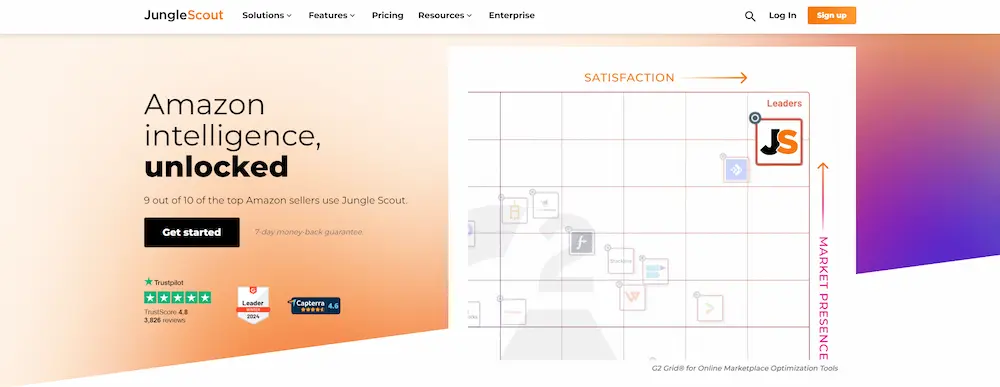
Utilizing Jungle Scout for sourcing suppliers and conducting market research can significantly enhance your ability to make data-driven decisions, optimize your product selection, and develop effective sales and marketing strategies.
China Sourcing Company
If you’re cautious about placing large orders from China or have reservations about using online Chinese marketplaces, partnering with a sourcing company can be a valuable alternative. Sourcing agents or companies, such as ZingSourcing, provide professional assistance in navigating the complexities of purchasing “China gross domestic products.”
With over 11 years of experience in the industry, ZingSourcing has honed its expertise in identifying top-quality Chinese products that align with customer demands. Here are some ways a sourcing company like ZingSourcing can facilitate your sourcing process:
- Market Research and Product Sourcing: They conduct thorough market research to find products that meet your specifications in terms of quality, price, and demand.
- Supplier Verification and Selection: By vetting suppliers, sourcing companies ensure that you partner with reliable and reputable manufacturers, minimizing risks associated with quality and delivery.
- Negotiation and Contracting: They can negotiate terms and prices on your behalf, securing favorable deals and ensuring that contracts meet your business needs.
- Quality Control and Compliance: Sourcing companies conduct quality inspections and compliance checks to ensure that products meet the necessary standards and regulations before shipment.
- Logistics and Shipping Coordination: They manage the logistics, from the factory floor to your doorstep, ensuring timely and cost-effective delivery of goods.
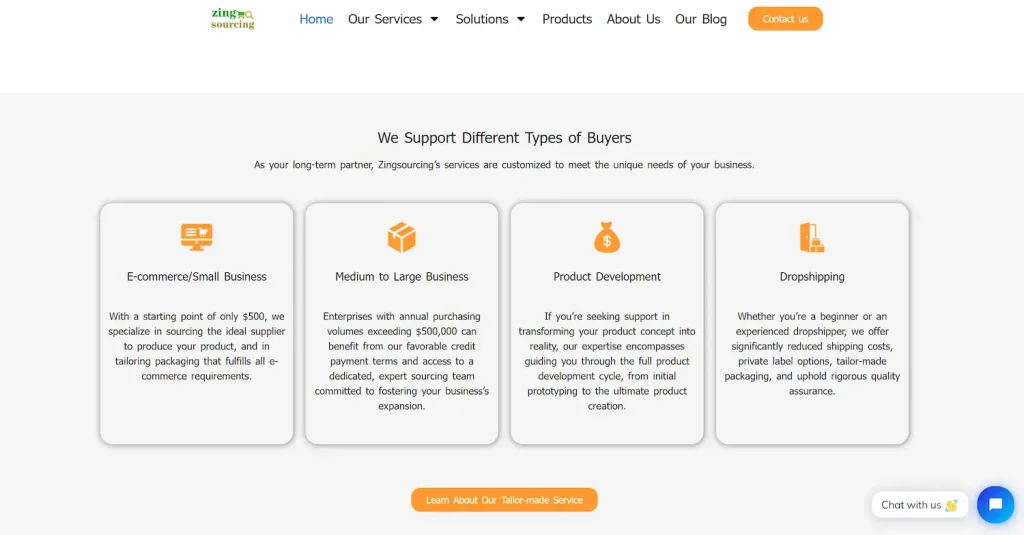
By leveraging the expertise of a sourcing company like ZingSourcing, you can navigate the Chinese market more effectively, ensuring that you find and procure high-quality products that satisfy market demands while minimizing potential risks and challenges.
How to find the best china gross domestic product
When embarking on a business venture and sourcing gross domestic products from China, focusing on two critical aspects is essential: acquiring cost-effective Chinese products and ensuring these products yield profitable returns. To locate the best Chinese gross domestic products that are both high-quality and affordable, consider the following three-step approach:
- Conduct Thorough Market Research: Begin by analyzing the market to identify in-demand products with high sales potential and low market saturation. Use tools like Jungle Scout, Google Trends, and Alibaba Insights to gauge consumer interest and spot emerging trends.
- Evaluate Supplier Reliability and Product Quality: Once you’ve identified potential products, vet suppliers for reliability and quality. Look for suppliers with good reviews, a strong track record, and the necessary certifications. Request samples to assess product quality firsthand, and consider visiting manufacturing facilities if feasible.
- Analyze Cost and Profit Margins: Calculate the total cost of sourcing, including production, shipping, duties, and other associated expenses. Compare this with the potential selling price to ensure a healthy profit margin. Consider factors like scalability, market demand, and competitive pricing to ascertain the financial viability of the product.
Top 25 made in china products list hot in the market right now
China’s status as a global industrial powerhouse is well-established, with its products permeating supermarkets and malls worldwide. The nation’s gross domestic product has consistently grown, underscoring its significant role in the global economy. This growth has made “China gross domestic product” exceedingly attractive to importers, businesses, and firms worldwide. With China’s vast and varied manufacturing sector, the challenge often lies in pinpointing the most in-demand and profitable products.
To streamline this process and help you focus on the most lucrative opportunities, here’s a curated list of 25 hot and popular products made in China, known for their strong market presence and profitability:
- Consumer Electronics (smartphones, tablets)
- Clothing and Apparel (fast fashion, sportswear)
- Computer and Mobile Accessories (chargers, earphones)
- Home Appliances (kitchen gadgets, cleaning devices)
- Fitness Equipment (dumbbells, yoga mats)
- Furniture (flat-pack, office furniture)
- LED Lighting (energy-saving bulbs, decorative lights)
- Toys (educational toys, electronic toys)
- Footwear (sneakers, sandals)
- Bags and Accessories (backpacks, handbags)
- Beauty Products (skincare, makeup)
- Automotive Parts (tires, accessories)
- Machinery and Equipment (industrial, agricultural)
- Solar Panels and Renewable Energy Products
- Watches and Jewelry
- Home Textiles (bedding, curtains)
- Building Materials (tiles, sanitary ware)
- Agricultural Products (food, beverages)
- Health and Medical Supplies (PPE, medical devices)
- Plastic and Rubber Products
- Chemical Products
- Steel and Metal Products
- Electrical Equipment
- Stationery and Office Supplies
- Craft and Art Supplies
What to consider when China imports product
Know what the market demands
Developing a sourcing strategy, particularly for “China gross domestic products,” necessitates comprehensive market research, which can be challenging for newcomers to the importing and sourcing arena. To navigate this step effectively and identify which hot products to sell, here are some practical tips:
- Use Keyword Research Software: Tools like Google Keyword Planner or Ahrefs can help you identify popular search terms related to the products you’re considering. This insight can reveal consumer interest and demand patterns, guiding you toward products with high market potential.
- Utilize Market Intelligence Software: Platforms like Jungle Scout, Helium 10, or Market Explorer by SimilarWeb offer in-depth market analysis and competitive intelligence. They can provide valuable data on sales trends, market sizes, and competitive landscapes, which are crucial for making informed sourcing decisions.
- Perform Keyword Research on Amazon: Amazon is a leading e-commerce platform with a vast array of product categories. Using its search function to perform keyword research can help you identify trending products and understand what consumers are currently interested in buying.
- Discover Profitable Products Imported from Alibaba: Alibaba is a major marketplace for sourcing products from China. Exploring its best-selling and most popular categories can give you insights into profitable products that are doing well in the market. Also, look for products with high ratings and reviews to assess their market acceptance and demand.
Check what products are legal to import into your country
When creating a list of products made in China to consider for import, it’s crucial to verify their availability and legality in your country. Here’s how you can effectively manage this process:
- Check Product Availability: On platforms like Alibaba, you can often filter search results to show whether products are available in your specific country. This feature helps to identify items that can be readily imported and sold in your market, saving time and focusing your search on accessible products.
- Confirm Legal Compliance: Ensure that the products you plan to import comply with the legal standards and regulations of your country. This includes checking for any import restrictions, certifications required, or standards that the products must meet. For instance, certain electronics, food products, or chemicals might have specific import regulations or need certifications like CE, FDA, or ISO.
- Investigate Shipping Restrictions: Some products may have shipping restrictions or prohibitions due to their nature or size. It’s important to confirm that the products you intend to import can be legally and feasibly shipped to your country. This includes checking for any hazardous material regulations, size and weight limits, and any other logistical considerations.
- Consider Market Saturation: Even if a product is available and legal to import, it’s also wise to assess the market demand and competition in your country. A saturated market with many competitors might reduce the potential profitability of importing a particular product.
Know the specific rules and regulations
Understanding the rules and regulations for importing products from China is essential for a smooth and compliant operation. When importing into the US, you need to be mindful of several specific requirements and procedures:
- Tax ID or Employer’s Identification Number (EIN): For importing products valued over $2,500, you need to have a Tax Identification Number (Tax ID) or an Employer’s Identification Number (EIN). This number is used by U.S. Customs and Border Protection (CBP) to identify your business and process customs documents.
- Product Labeling and Import Duties: Ensure that the products you import are properly labeled as subject to import duties. The labeling should comply with U.S. regulations, providing clear information about the product’s content, origin, and safety.
- Harmonized System Codes: The import duty rates are determined by the Harmonized System (HS) codes. These codes classify traded products and are used globally to identify products and their corresponding duty rates. Knowing the correct HS code for your products is crucial for determining the duty rates and ensuring accurate customs declarations.
- Merchandise Processing Fee (MPF): For all air and sea shipments, there is a Merchandise Processing Fee (MPF) that importers must pay. This fee is assessed by U.S. Customs and Border Protection and varies based on the value of the shipment. The MPF is designed to cover the cost of processing the merchandise through customs and is applicable to most commercial imports.
Ensure the quality and shipping of products made in china
To prevent shipping delays and ensure a smooth import process, it’s vital to select a supplier known for prompt order fulfillment. Here are steps to take to mitigate risks of delay and enhance the efficiency of your supply chain:
- Assess Supplier Reliability: Prioritize suppliers with a proven track record of fulfilling orders quickly and meeting delivery deadlines. You can check their history, customer reviews, and ratings on trade platforms like Alibaba or Global Sources.
- Use a Sourcing Agent or Company: A reputable sourcing agent or company can significantly streamline the process of finding a reliable supplier. They have local knowledge and networks to connect you with suppliers that match your needs in terms of product quality, production capacity, and punctuality.
- Factory Audits and Reviews: Consider conducting factory audits either in person or through your sourcing agent to assess the operational capabilities and reliability of the supplier. This can include checking their production processes, quality control measures, and logistical arrangements.
- Quality Control Checks: Implement quality control checks at various stages of the production process to ensure that the products meet your specifications and quality standards. This can help in identifying and addressing potential issues early on, preventing delays related to product reworking or returns.
- Shipping and Logistics Planning: Work closely with your supplier and logistics providers to plan the shipping process meticulously. This includes choosing the right mode of transport, understanding transit times, and preparing for any required customs documentation and compliance to avoid delays at the border.
Learn about China’s tariffs
To accurately calculate the Duty Paying Value (DPV) and Composite Assessable Price (CAP) once you’ve received your product from China, you can follow the formulas typically outlined by trade and customs authorities. Here’s a general approach based on the principles from sources like China Briefing:
Duty Paying Value (DPV):
This is the value on which customs duties are calculated. The DPV is typically determined by the transaction value of the goods, which includes the cost of the product, transportation, insurance, and any other charges incurred until the goods reach the port of entry. The formula for DPV can be expressed as:
DPV = Product Cost + Shipping Cost + Insurance + Any other applicable costs
Composite Assessable Price (CAP):
This is often used to assess the total taxable value of imported goods, including duties and taxes. CAP takes into account the DPV plus any import duties, taxes, and additional charges. The formula for CAP can be somewhat more complex, as it includes the duties and taxes calculated on the DPV:
CAP = DPV + Import Duty + Any other applicable taxes and charges
To apply these formulas, you need the following information:
- Product Cost: The price paid for the goods.
- Shipping Cost: The cost of transporting the goods to the destination country.
- Insurance: The cost of insuring the goods during transit.
- Import Duty: The tariff rate applied to the goods, which can be determined by the HS code.
- Any other applicable costs: This could include additional tariffs, anti-dumping duties, or other fees imposed on the goods.
Accurate calculation of DPV and CAP is crucial for understanding the total cost of importing goods from China, ensuring compliance with customs regulations, and effectively managing your budget and pricing strategy. Consulting with a customs broker or using customs duty calculators available online can also help in determining these values more precisely.
Know how to deal with a price increase
To mitigate the risk of facing unexpected price increases from Chinese suppliers, especially after production has started, due to factors like rising raw material costs or natural calamities, consider the following strategies:
- Negotiate Price Validity: When making a deal, negotiate a minimum price validity period. A period of 180 days (about six months) for the quoted price can provide stability and predictability, allowing you to plan your finances and inventory more effectively.
- Establish Long-term Relationships: Assure your supplier of future re-orders to incentivize them to maintain stable pricing. Building a long-term partnership can lead to more favorable terms as the supplier values the ongoing business relationship.
- Understand Raw Material Costs: Gain knowledge about the cost of raw materials used in your products. This understanding can help you anticipate potential price adjustments and negotiate better terms based on market trends and raw material price fluctuations.
- Incorporate Protective Clauses in Contracts: Include specific clauses in your contracts that offer protection against price increases. This can involve stipulating conditions under which a price adjustment would be acceptable, setting a cap on any potential price increase, or outlining the process for renegotiating terms in response to significant changes in raw material costs.
Select the best mode of international transportation
Cutting costs in your sourcing activities from China indeed requires an understanding of the most efficient transportation and shipment methods. The choice between sea freight, air freight, and express delivery depends on factors like cost, volume, weight, and urgency of your shipment. Additionally, being familiar with International Commercial Terms (Incoterms) is essential as they define the responsibilities, costs, and risks involved in the shipping process between a buyer and a seller. Here’s a brief overview of each shipping method and the importance of Incoterms:
- Sea Freight: Ideal for large volumes of goods due to its cost-effectiveness for bulk shipments. Sea freight has longer transit times but significantly lower costs compared to air freight, making it suitable for non-urgent, heavy, or bulky shipments.
- Air Freight: Best for time-sensitive shipments, high-value goods, or products that require quick delivery. Air freight is more expensive than sea freight but offers the advantage of speed and reliability for urgent shipments.
- Express Shipping: Provided by carriers such as DHL, FedEx, and UPS, express shipping is the fastest, most direct way to ship goods. It’s typically used for small, time-sensitive packages and documents. While the most costly option, it provides door-to-door service and is highly reliable.
Understanding Incoterms:
- Incoterms (International Commercial Terms) are standardized trade terms published by the International Chamber of Commerce (ICC). They are used in international and domestic trade contracts to clarify the tasks, costs, and risks associated with the transportation and delivery of goods.
- Incoterms specify who is responsible for paying for and managing the shipment, insurance, documentation, customs clearance, and other logistical activities.
- Popular Incoterms include EXW (Ex Works), FOB (Free On Board), CIF (Cost, Insurance, and Freight), and DDP (Delivered Duty Paid), each offering different levels of responsibility for the buyer and seller.
Choosing the right shipment method and understanding the applicable Incoterms can significantly impact the efficiency and cost-effectiveness of your sourcing strategy from China. It’s advisable to consult with a logistics expert or freight forwarder who can provide guidance based on your specific needs, ensuring that you select the most appropriate transportation option and Incoterms for your business.
Understand the contract forms in China
Contracts play a crucial role in transactions with Chinese suppliers, serving as the legal foundation for the business relationship and a safeguard against potential risks and disputes. Here’s what you should consider before signing a contract with a Chinese supplier to ensure your interests are protected:
- Clear Terms and Conditions: Ensure that the contract clearly outlines the terms and conditions of the transaction, including product specifications, quantity, price, delivery schedules, payment terms, and quality requirements.
- Jurisdiction and Dispute Resolution: The contract should specify the legal jurisdiction and the mechanism for resolving disputes, whether through arbitration, mediation, or legal proceedings, and in which country and under which law these will be resolved.
- Quality Control and Compliance: Include clauses related to quality control measures, testing, and compliance with international standards. Define the consequences and remedies if the products do not meet the agreed-upon specifications or quality standards.
- Payment Terms: Define the payment structure, including advance payments, installments, and final payments, along with the payment methods and currencies accepted. It’s important to align the payment terms with the delivery milestones.
- Intellectual Property Rights: If applicable, ensure that intellectual property rights are clearly defined and protected, with stipulations on how your IP (brand, designs, patents) is to be used and safeguarded.
- Confidentiality and Non-disclosure: Include confidentiality and non-disclosure clauses to protect sensitive business information exchanged during the partnership.
- Termination Clauses: Define the conditions under which the contract can be terminated by either party, including the procedures for termination and the handling of any outstanding orders or payments.
- Force Majeure: Ensure there is a force majeure clause that outlines what will happen in the event of unforeseen circumstances beyond the control of either party, such as natural disasters or political unrest, that may affect the fulfillment of the contract.
FAQs when sourcing products from china
What are the American products made in China?
These American products made in China illustrate the global nature of manufacturing and brand management:
- Nike Products: Nike, a leading brand in sports apparel and footwear, manufactures many of its products in China due to the country’s strong manufacturing capabilities and cost efficiencies.
- Ray-Ban Sunglasses: Ray-Ban, known for its iconic eyewear, produces many of its sunglasses in China, leveraging the skilled workforce and advanced manufacturing technology available there.
- Gillette Razors: Gillette, a brand synonymous with shaving and personal care, manufactures some of its razors and blades in China to take advantage of the cost-effective production processes.
- Barbie: The famous Barbie dolls, created by American toy company Mattel, are also produced in China, tapping into the extensive manufacturing infrastructure and toy-making expertise.
- Huffy Bicycles: Huffy, a well-known bicycle brand, has some of its production facilities in China, benefiting from the country’s established bicycle manufacturing industry.
- Converse Shoes: Converse, famous for its sneakers and casual footwear, manufactures many of its products in China, where production costs are lower.
- Schwinn Bicycles: Schwinn, another leading bicycle brand, produces some of its bicycles in China to capitalize on the competitive manufacturing costs and scalability.
What are the Australian products in China?
The popularity of Australian products in China reflects the high regard Chinese consumers have for the quality and safety standards of Australian goods. Here are some top Australian products that are well-received in China:
- Health Supplements: Australian health supplements are highly valued in China for their quality, purity, and stringent safety standards. Brands like Blackmores and Swisse are particularly popular, offering a range of vitamins, minerals, and herbal products.
- Adult Milk Powder: Australian adult milk powder is sought after for its nutritional value and quality. Australian dairy products are known for being produced in a clean, green environment, which resonates well with health-conscious Chinese consumers.
- Infant and Toddler Nutrition: Australian infant formula and toddler nutrition products are in high demand due to their reputation for quality and safety. Brands like Bellamy’s Organic and A2 Milk have gained significant market share in China, reflecting the trust in Australian-made baby foods.
- Emulsion and Powdered Drink Mixes: These products, often used for health and wellness purposes, are popular among Chinese consumers who appreciate the quality ingredients and health benefits associated with Australian brands.
What are trumps products made in China?
Products associated with the Trump brand that were manufactured in China include a variety of items, showcasing the diverse production capabilities of Chinese manufacturing in catering to different market segments:
- Trump Rectangular Shaped Eyeglasses: These eyeglasses, part of the Trump brand’s eyewear line, reflect a blend of style and practicality, catering to consumers seeking a combination of fashion and function.
- Ties: Trump-branded ties are known for their variety of designs and colors, catering to a business-oriented clientele looking for a blend of style and professionalism.
- Shell for Comforter: This product, typically part of home textile lines, indicates the brand’s expansion into home goods, offering items that contribute to the comfort and aesthetic appeal of home interiors.
- Pillows: Similar to the comforter shells, Trump-branded pillows are part of the home goods range, designed to offer comfort and luxury to consumers.
What are the essential products made in China?
China is a major global manufacturing hub, producing a wide range of essential products that are integral to everyday life around the world. Here’s a closer look at some of these essential products made in China:
- Clothing: China is one of the largest producers of clothing globally, manufacturing everything from high-end fashion to everyday wear due to its extensive textile industry and cost-effective production capabilities.
- Furniture: The country is known for its furniture manufacturing, offering a vast array of products from luxury pieces to affordable flat-pack furniture, catering to diverse global market needs.
- Facemask: Particularly highlighted during the COVID-19 pandemic, China rapidly became the leading supplier of facemasks, including surgical masks and N95 respirators, crucial for health and safety.
- OTC and Prescription Drugs: China plays a significant role in the pharmaceutical industry, producing a substantial portion of the world’s over-the-counter and prescription medications.
- Toothpaste and Toothbrushes: These everyday personal care items are mass-produced in China, serving both domestic and international markets.
- Toilet Paper: As a basic household necessity, toilet paper is another product extensively manufactured in China for global distribution.
- Home Decor: From luxury decorations to affordable home accessories, China’s vast manufacturing sector covers a wide spectrum of home decor products.
- Sunscreen: The country produces various skincare products, including sunscreen, catering to the increasing demand for personal care items globally.
- Makeup: China has a growing cosmetics industry, producing makeup products ranging from high-end brands to budget-friendly options.
- Electronics: China is a powerhouse in electronics manufacturing, producing a large portion of the world’s consumer electronics, including smartphones, laptops, and household appliances.
How do you buy china import products directly?
Buying directly from China involves a strategic approach to ensure you connect with reliable suppliers and secure the best terms for your business needs. Here are the three steps in more detail:
- Locate and Investigate Your Wholesale China Suppliers:
- Research: Utilize platforms like Alibaba, Made-in-China, and Global Sources to find suppliers that match your product requirements.
- Due Diligence: Conduct background checks on potential suppliers to verify their business legitimacy, reputation, and manufacturing capabilities. Look for certifications, customer reviews, and audit reports.
- Communicate: Reach out to suppliers to discuss your needs, ask questions about their production processes, minimum order quantities (MOQs), prices, and terms.
- Keep Track of and Record the Time, Service, and Location:
- Time: Monitor the lead times for production and delivery to ensure they fit within your business timeline. This includes understanding the manufacturing process, shipping, and customs clearance times.
- Service: Evaluate the level of customer service provided by the supplier, including responsiveness, communication efficiency, and after-sales support.
- Location: Consider the geographical location of the supplier in relation to shipping routes and logistics costs. Proximity to major ports can influence shipping times and expenses.
- Note the MOQ:
- Understanding MOQ: Be clear about the supplier’s minimum order quantity requirements and ensure they align with your inventory and budget constraints.
- Negotiation: In some cases, MOQs can be negotiable. Discuss with suppliers to find a mutually agreeable quantity that won’t overextend your resources but still meets their production needs.
- Impact on Pricing: Be aware that MOQ can affect the unit price of the goods. Higher quantities often result in lower per-unit costs, but require a larger initial investment.
What should I look for when sourcing products from China?
When purchasing “China gross domestic products,” especially those available at low prices, it’s crucial to consider several factors to ensure that these transactions are profitable for your business. Here’s a detailed look at the key points you mentioned:
- Minimum Order Quantity (MOQ):
- MOQ refers to the smallest quantity of a product that a supplier is willing to sell.
- Understand the MOQ requirements as they directly impact your inventory levels and initial investment. A lower MOQ allows you to diversify your product range and reduce the risk of unsold stock, while a higher MOQ might offer cost advantages but increases inventory holding.
- Negotiate MOQs with suppliers to find a balance that suits your business scale and risk tolerance.
- Shipping Fees:
- Shipping fees can significantly affect the landed cost of your products. Consider different shipping methods (sea, air, rail, or express) to find the optimal balance between cost and delivery time.
- Factor in the total cost of logistics, including freight, insurance, and potential surcharges, to get a comprehensive view of the shipping expenses.
- Explore consolidated shipping options or freight forwarders to potentially reduce shipping costs if ordering from multiple suppliers.
- Additional Costs:
- Be aware of other costs that can accumulate beyond the product price and shipping fees, such as customs duties, import taxes, storage fees, and inland transportation.
- Calculate the potential costs of product modifications, packaging, or branding that may be necessary to meet market standards or consumer preferences.
- Consider the cost implications of quality control and returns management. Ensuring product quality upfront can save expenses related to returns and customer dissatisfaction.