
When it comes to printing designs on fabrics, two popular methods often come to mind: Direct-to-Garment (DTG) and Screen Printing. Each technique has its own advantages and disadvantages, and choosing the right one depends on various factors including the type of project, budget, and desired outcome. In this comprehensive guide, we will explore both DTG and screen printing in detail, comparing their processes, benefits, limitations, and best-use scenarios to help you make an informed decision.
Introduction to DTG and Screen Printing
Before diving into the specifics of each method, let’s understand what DTG and screen printing are and why they are widely used in the printing industry.
Direct-to-Garment (DTG) Printing involves using a specialized inkjet printer to apply water-based inks directly onto the fabric. This method allows for high-quality prints with vibrant colors and intricate details. It is particularly well-suited for small to medium-sized orders and designs with a lot of colors and details.
Screen Printing, on the other hand, involves creating stencils (screens) and using them to apply layers of ink on the printing surface. Each color in the design requires a separate screen, making it a labor-intensive process for multi-colored designs. However, screen printing is known for its durability and cost-effectiveness in bulk orders.
The DTG Printing Process

DTG printing is relatively straightforward and involves the following steps:
- Design Preparation: The digital design is prepared using graphic design software. The design needs to be high resolution to ensure quality output.
- Pre-Treatment: The garment, typically a cotton t-shirt, is pre-treated with a special solution to ensure the ink adheres properly.
- Printing: The garment is placed in the DTG printer, and the design is printed directly onto the fabric.
- Curing: The printed garment is then heat-cured to set the ink, ensuring it is permanent and resistant to washing.
Advantages of DTG Printing
- High Detail: DTG printers can produce intricate designs with a high level of detail.
- Color Variety: Capable of printing millions of colors, making it ideal for complex designs.
- Quick Setup: Minimal setup time, perfect for short runs and on-demand printing.
- Soft Hand Feel: The prints are generally softer to the touch compared to screen printing.
Limitations of DTG Printing
- Cost per Unit: Higher cost per unit compared to screen printing, especially for large orders.
- Fabric Limitations: Works best on 100% cotton fabrics, with limited success on polyester or blends.
- Durability: Slightly less durable than screen printing, especially on heavily washed items.
The Screen Printing Process
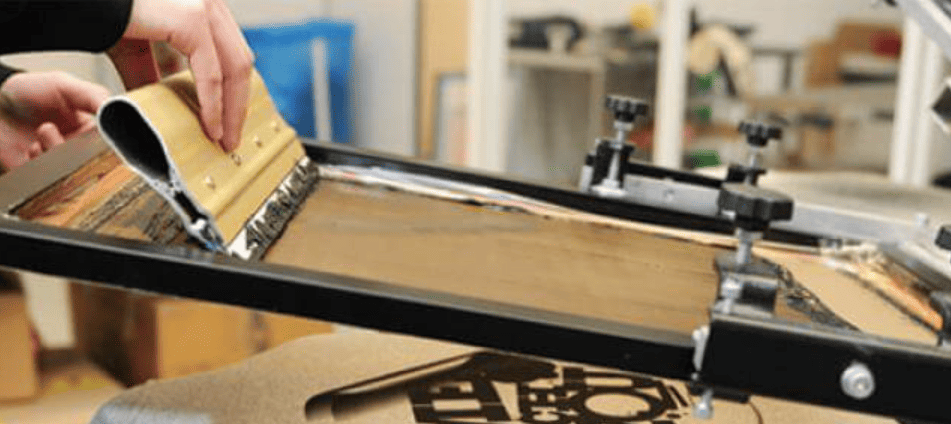
Screen printing is a more involved process, typically involving these steps:
- Design Preparation: The design is separated into its individual colors.
- Screen Creation: A screen (stencil) is created for each color using a light-sensitive emulsion.
- Setup: The screens are aligned on the printing press.
- Printing: Ink is pushed through the screens onto the garment.
- Curing: The printed garments are heat-cured to set the ink.
Advantages of Screen Printing
- Cost Efficiency in Bulk: Extremely cost-effective for large orders.
- Durability: Highly durable prints that withstand multiple washes without fading.
- Versatility: Can print on a wide variety of fabrics and materials.
- Vibrant Colors: Produces vibrant and opaque colors.
Limitations of Screen Printing
- Setup Time and Cost: Significant setup time and cost, especially for multi-colored designs.
- Design Complexity: Less effective for highly detailed designs with many colors.
- Environmental Concerns: Uses more ink and chemicals compared to DTG.
Comparing DTG and Screen Printing
Cost Efficiency
| Factor | DTG Printing | Screen Printing |
|---|---|---|
| Initial Setup Cost | Low | High |
| Cost per Unit (Small Orders) | High | Moderate |
| Cost per Unit (Large Orders) | Moderate | Low |
| Equipment Cost | Moderate to High | High |
DTG is more cost-effective for small orders due to its low setup costs, while screen printing becomes more economical with larger volumes.
Print Quality and Durability
| Aspect | DTG Printing | Screen Printing |
|---|---|---|
| Print Detail | High | Moderate |
| Durability | Moderate | High |
| Texture | Soft | Slightly raised |
Screen printing excels in durability, while DTG offers superior detail and a softer feel.
Color Range and Detail
| Aspect | DTG Printing | Screen Printing |
|---|---|---|
| Color Variety | Extensive | Limited by screens |
| Color Accuracy | High | High |
| Detail Reproduction | Excellent | Good |
DTG printing can handle complex and colorful designs better, but screen printing provides solid and vibrant colors.
Production Speed and Volume
| Aspect | DTG Printing | Screen Printing |
|---|---|---|
| Speed (Small Orders) | Fast | Slow |
| Speed (Large Orders) | Moderate | Fast |
| Scalability | Moderate | High |
Screen printing is faster and more scalable for large orders, while DTG is ideal for small batches and quick turnarounds.
Use Cases for DTG Printing
- Custom and On-Demand Printing: Ideal for print-on-demand services where unique designs are printed as orders come in.
- Small to Medium Runs: Cost-effective for small to medium order quantities.
- Highly Detailed Designs: Perfect for designs with intricate details and a wide range of colors.
- Soft, Comfortable Apparel: Great for products where the feel of the print on the fabric is important.
Use Cases for Screen Printing
- Large Orders: Most economical for large order quantities.
- Simple Designs with Few Colors: Best for designs with fewer colors due to the screen setup process.
- Durable Apparel: Excellent for workwear, sportswear, and other garments that require frequent washing.
- Printing on Various Materials: Suitable for a wide range of materials beyond just textiles, including plastics, metals, and wood.
Environmental Impact
DTG Printing
- Water-Based Inks: Generally more eco-friendly due to the use of water-based inks.
- Waste Generation: Minimal waste as prints are made to order, reducing excess inventory.
- Energy Consumption: Lower overall energy usage due to the digital process.
Screen Printing
- Chemical Use: Involves more chemicals for screen creation and cleanup.
- Waste: Higher potential for waste due to unused inks and misprints.
- Energy Consumption: Higher energy consumption, especially in large-scale operations.
Making the Right Choice
Choosing between DTG and screen printing depends on several factors:
- Order Size: For small, custom orders, DTG is the way to go. For large, bulk orders, screen printing is more economical.
- Design Complexity: DTG handles complex, colorful designs better. Screen printing is ideal for simple, bold designs.
- Fabric Type: DTG works best on 100% cotton, while screen printing is versatile across various fabrics.
- Budget and Time: Consider your budget and timeline. DTG offers quick turnaround for small orders, while screen printing requires more time but is cost-effective for larger quantities.
Conclusion
Both DTG and screen printing have their unique strengths and limitations. DTG shines in its ability to produce detailed, colorful designs on demand with a soft hand feel, making it perfect for small to medium-sized orders and custom prints. Screen printing, on the other hand, is unbeatable in terms of cost-efficiency for large orders, durability, and versatility across different materials.
Understanding the nuances of each method will help you choose the best printing technique for your specific needs. Whether you prioritize detail and flexibility or durability and cost-efficiency, there’s a perfect solution for every project. By weighing the factors discussed in this article, you can make a well-informed decision that aligns with your goals and resources.