
Fishing is a relaxing and fun activity for people of all ages and skill levels. For beginners who are just getting started with fishing, choosing and using a fishing rod can seem a bit complicated. This guide is designed to provide a simple starting point for beginners and help you understand the basics of rod fishing so that you can enjoy the activity.
1.What is a fishing rod made of?
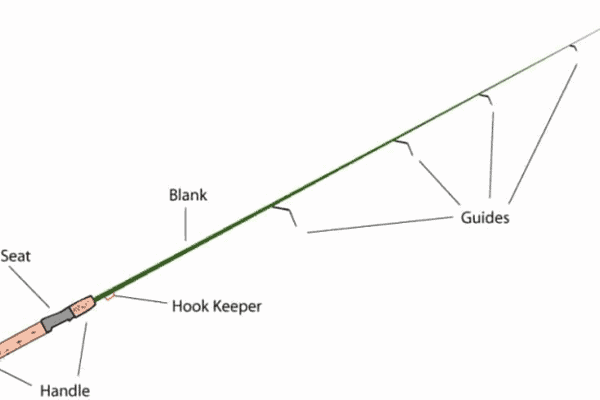
Modern fishing rods are typically composed of several parts, each serving a specific function. The main components include:
- Blank: The main body of the fishing rod, usually made from materials like carbon fiber, fiberglass, or a composite of both. The length, weight, and bendability (action) of the blank directly affect performance during fishing.
- Guides: Small rings distributed along the blank, known as guides, are used to smoothly guide the fishing line along the rod. They are often made from durable materials such as stainless steel or ceramic.
- Handle/Grip: Located at the end of the blank, the handle provides a stable and comfortable grip for the angler. It is typically made from cork, EVA foam, or rubber, designed for comfort and slip resistance.
- Reel Seat: The reel seat on the rod is where the fishing reel (line spool) is attached. It must be sturdy enough to withstand the tension and pressure experienced during fishing.
- Reel: Although technically a separate piece of equipment, the reel is one of the core components of the fishing rod system. Responsible for storing, releasing, and retrieving the fishing line, types of reels include spinning reels, baitcasting reels, etc.
- Line: The fishing line isn’t a physical part of the rod, but it’s essential for completing the fishing gear setup. The type and thickness of the line vary depending on the type of fishing and the targeted fish species.
These components work together to make the fishing rod not only effective for fishing but also capable of providing sufficient strength, sensitivity, and control to handle various fishing situations.
2. Six Materials and Comparison of Rod Blanks
When comparing the six common materials for fishing rod billets (rods), each material has its own unique properties and advantages:
bamboo
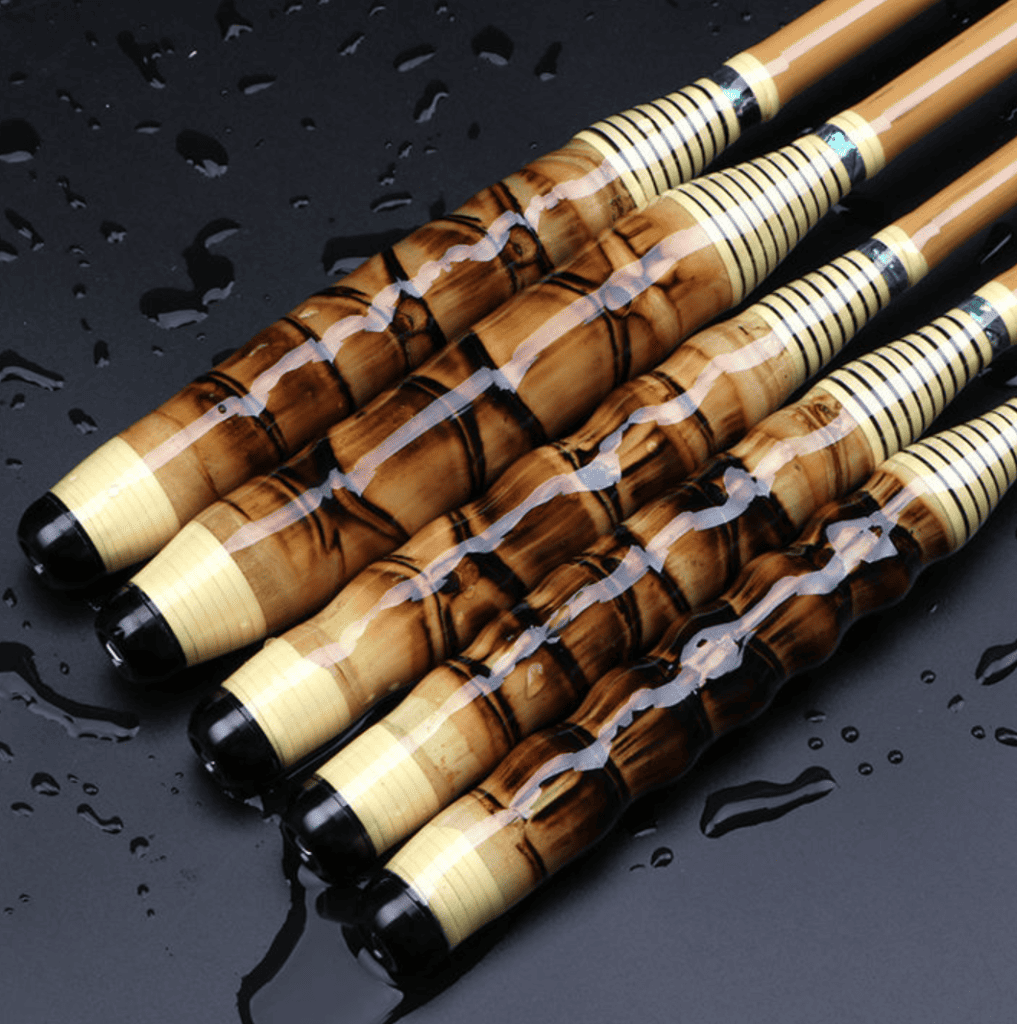
Bamboo fishing rods date back centuries, and they were one of the earliest types of fishing rods. Originally, the poles were made entirely by hand, reflecting a high level of craftsmanship. Bamboo fishing rods are usually made using a specific type of bamboo, such as Tonkin cane.
The production process includes careful selection and handling of bamboo pieces to ensure the strength and elasticity of the poles. Fishing rods made of bamboo are known for their flexibility and natural elasticity. These poles usually have excellent throwing accuracy and can provide a very fine and direct feel. Bamboo fishing rods are particularly popular among fly-fishing enthusiasts because they are suitable for lightweight lures and precise casts. They are also often considered collectibles because of their craftsmanship and traditional value.
Fiberglass
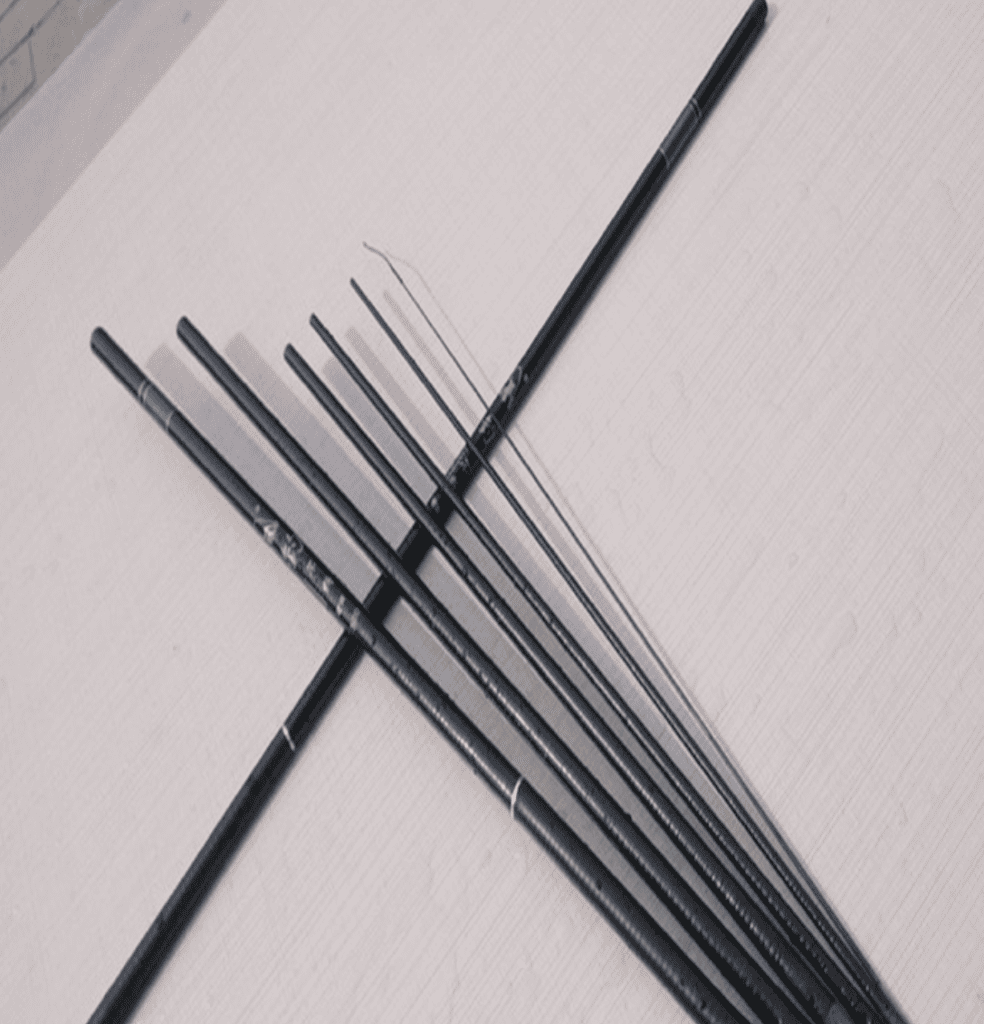
Fiberglass fishing rods are made of small fiberglass bundles processed by a special process. These fibers are woven into cloth and then combined with resin to form a strong and flexible rod body. Fiberglass material is very strong and durable.
It can withstand repeated use and a degree of rough handling, making it ideal for beginners or situations where a sturdy and durable fishing rod is needed. Fiberglass rods are usually heavier and less sensitive than carbon fiber fishing rods. This means they may not be able to sense a slight bite as easily.
Carbon fiber
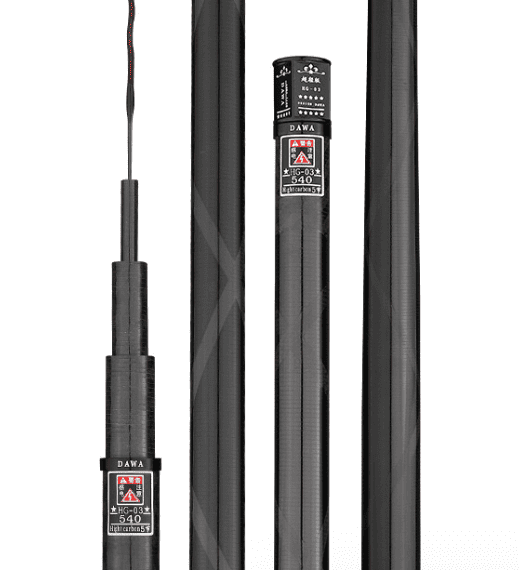
Carbon fiber fishing rods are made of tiny carbon fiber threads that are specially treated and combined with resin to create a light, high-strength rod. One of the main advantages of carbon fiber materials is their lightness. This makes carbon fiber fishing rods ideal for long periods of use, reducing arm and shoulder fatigue.
The carbon fiber rod is extremely sensitive, allowing the fisherman to easily sense the slight bite and movement of the fish. Although very light, carbon fiber rods also have excellent strength and toughness, which can resist the pull of large fish.
Composite materials (carbon fiber and glass fiber mix)
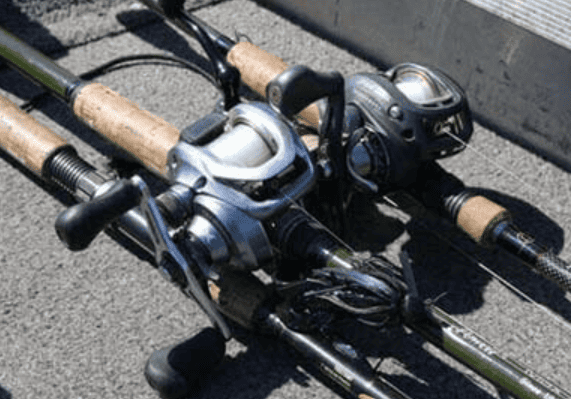
Composite fishing rods are usually made from a mixture of carbon fiber and glass fiber. This combination takes full advantage of both materials to create a fishing rod that is both strong and sensitive. By combining the high sensitivity of carbon fiber with the strength of glass fiber, composite fishing rods provide excellent performance and are suitable for a variety of fishing situations. The durability of this material is better than that of a pure carbon fiber rod, and it is especially suitable for fishing methods that require high tension.
Composite fishing rod is a very good compromise choice, it takes into account the performance and price, suitable for different levels of fishing enthusiasts, especially those who are looking for both practical and high performance fishing rod anglers.
terylene
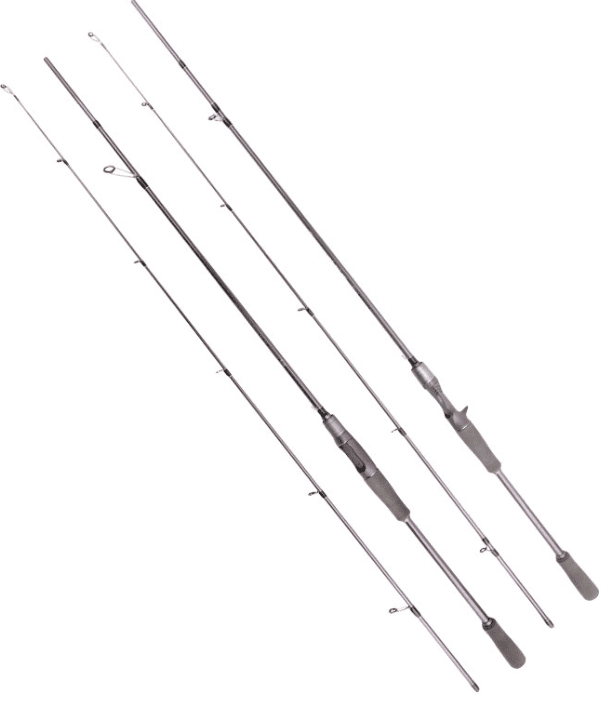
Polyester is a synthetic fiber commonly utilized in the production of clothing and fabrics. When employed as a material for fishing rods, it exhibits exceptional resilience and elasticity. The inherent stretchiness of polyester enables the rod to swiftly rebound even after experiencing significant strain, rendering it particularly advantageous when dealing with large fish. Moreover, polyester materials possess superior resistance against friction and wear, endowing polyester fishing rods with enhanced durability over prolonged periods of use.
Although not as prevalent in the market compared to carbon fiber or fiberglass counterparts, polyester boasts distinctive properties that make it an intriguing choice for specific fishing styles. For anglers seeking alternatives to conventional materials, considering polyester may prove worthwhile.
3. What is the Best Material for a Fishing Rod?
There is no “best” material for all people and all situations. If you are a beginner, you may be more inclined to choose fiberglass fishing rods because they are both sturdy and affordable. Experienced anglers may opt for carbon fiber rods for better sensitivity and performance.
For those who love traditional fly fishing, handmade bamboo fishing rods may be the best choice. Your choice should be based on your specific needs, level of experience and budget.
4. Materials of Fishing Rod Handle
Cork rod handle
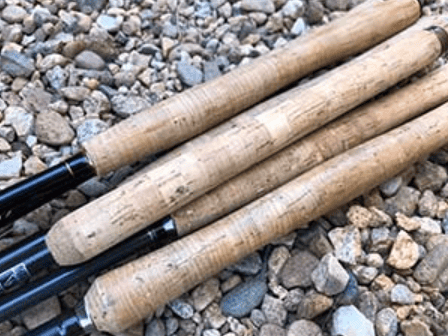
Cork, or cork handles on fishing rods, offer several benefits and have specific characteristics that make them a popular choice among anglers. Here’s an overview:
Characteristics of Cork Rod Handles
- Natural Material: Cork is harvested from the bark of cork oak trees, making it a natural, renewable resource.
- Lightweight and Durable: Cork handles are lightweight, which helps in reducing the overall weight of the fishing rod, and they are also quite durable.
- Comfortable Grip: Cork provides a comfortable, non-slip grip, which is particularly beneficial during long fishing sessions. It’s gentle on the hands and offers a warm, natural feel.
- Sensitivity: Cork handles are known for their ability to transmit vibrations from the fishing line to the angler’s hand, increasing sensitivity and helping anglers to detect bites and strikes more easily.
- Aesthetic Appeal: Cork has a classic, traditional look that many anglers find appealing. It gives the fishing rod a timeless appearance.
- Customizable: Cork can be easily shaped and sized to fit any rod design, making it ideal for custom rod builders.
Advantages of Cork Rod Handles
- Comfort: The soft texture of cork makes it comfortable to hold for extended periods, reducing hand fatigue.
- Sensitivity: Cork’s ability to transmit vibrations enhances the angler’s ability to detect subtle bites.
- Thermal Insulation: Cork does not get too cold in winter or too hot in summer, making it comfortable to use in various weather conditions.
- Buoyancy: If dropped in the water, cork handles help the rod to float, reducing the risk of losing the rod.
- Customizability and Style: Cork handles can be shaped to fit the angler’s hand perfectly and add a classic, stylish look to the rod.
Considerations
- Maintenance: Cork handles require some maintenance to keep them in good condition. They can be cleaned with mild soap and water and should be treated with cork sealant to prevent drying and cracking.
- Wear and Tear: Over time, cork can compress and degrade, especially if not properly maintained. However, many anglers appreciate the way cork ages, gaining character over time.
In summary, cork rod handles are a preferred choice for many anglers due to their comfort, sensitivity, and classic aesthetic. While they do require some care and maintenance, their benefits in terms of performance and feel often outweigh these considerations.
Foam rod handle
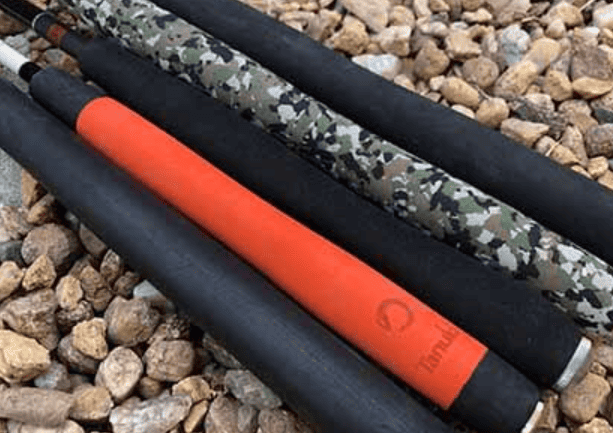
Foam rod handles, often made from materials like EVA (Ethylene-Vinyl Acetate) or neoprene, are a popular alternative to cork handles in fishing rods. These synthetic materials offer a range of benefits and have specific characteristics:
Characteristics of Foam Rod Handles
- Material: EVA foam is the most common material used for foam rod handles. It’s a soft, yet firm polymer that’s known for its durability and resilience.
- Durability: Foam handles are highly durable and resistant to degradation from elements like UV rays, saltwater, and general wear and tear.
- Comfort and Grip: Foam provides a comfortable grip and is often preferred in situations requiring a firmer hold, such as battling larger fish. It also maintains grip when wet.
- Low Maintenance: Unlike cork, foam handles require very little maintenance. They are easy to clean and don’t degrade as easily.
- Cost-Effective: Generally, foam handles are less expensive than cork, making them a budget-friendly option.
- Versatility: Foam can be molded into various shapes and designs, allowing for ergonomic grips that can be tailored to specific fishing styles.
Advantages of Foam Rod Handles
- Weather Resistance: Foam handles perform well in various weather conditions, including extreme temperatures and humidity.
- Water Resistance: They don’t absorb water, which helps in maintaining the handle’s integrity and prevents swelling or rotting.
- Shock Absorption: Foam handles provide good shock absorption, reducing fatigue during long fights with fish.
- Variety of Designs: Manufacturers can easily shape foam into different styles, providing anglers with a variety of handle designs to choose from.
- Lightweight: Foam handles contribute to the overall lightness of the fishing rod, making it easier to handle for extended periods.
Considerations
- Feel: Some anglers prefer the natural feel of cork over foam. Foam handles might feel less ‘natural’ but offer a practical, durable alternative.
- Aesthetics: Foam might lack the classic aesthetic appeal of cork. However, modern designs and colors can make foam handles visually appealing in their own right.
In conclusion, foam rod handles are a practical, durable, and cost-effective option for fishing rods. They offer excellent grip and comfort, perform well in various environmental conditions, and require minimal maintenance. While they may not have the natural feel or traditional look of cork, their functionality and versatility make them a popular choice among many anglers.
5. Materials of fishing rod tip
The tip of a fishing rod (commonly referred to as the “rod tip” or “top end”) is a crucial part of the rod, and its design and material significantly impact the overall performance. The material of the rod tip is usually the same or similar to the main body of the rod, but with specific characteristics and requirements. The primary materials include:
- Carbon Fiber: Carbon fiber is a highly popular material for rod tips, especially in high-performance fishing rods. It offers exceptional strength and sensitivity, effectively transmitting the slightest nibbles while maintaining lightness and stability.
- Fiberglass: Fiberglass is a more traditional material, often used in more economical fishing rods. It is heavier than carbon fiber but provides good durability and flexibility.
- Composite Materials: Some fishing rods use a mix of carbon fiber and fiberglass for the rod tip. This composite material combines the advantages of both, offering a tip that is both flexible and sensitive.
- Polyester or Other Synthetic Fibers: A few fishing rods might use polyester or other types of synthetic fibers for the rod tip. While not common, these materials can offer unique performance characteristics, such as higher elasticity or specific bending properties.
- Nickel-Titanium Alloy (NiTi): In some professional and high-end fishing rods, nickel-titanium alloy may be used for the rod tip. This material has near-perfect shape memory characteristics and very high corrosion resistance, allowing the rod tip to maintain its shape and performance even under extreme conditions.
The choice of rod tip depends on the specific needs of the angler, the type of fishing, and the budget. For instance, anglers seeking high sensitivity and lightweight might choose carbon fiber tips, while those needing more durability and affordability might lean towards fiberglass or composite material tips. Each material has its unique performance and advantages, and the choice should be based on your personal fishing style and requirements.
6. Materials of fishing reel seat
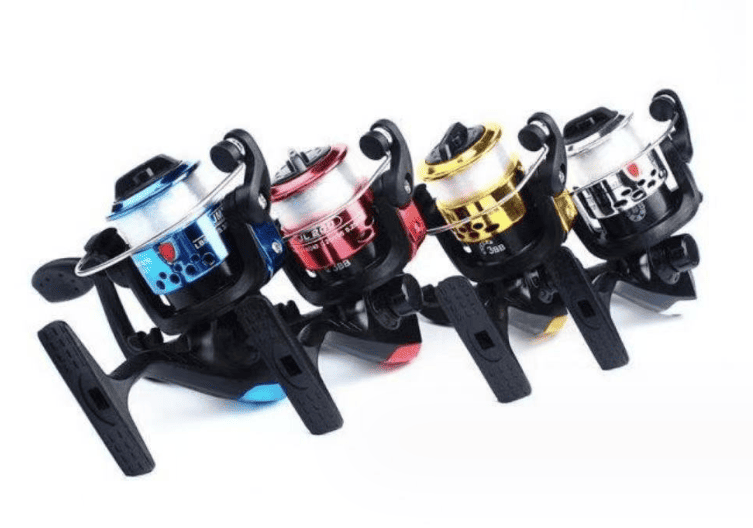
The reel seat, the component on a fishing rod that holds the fishing reel (spool), is typically made from a variety of materials. These materials are chosen for their ability to provide sufficient strength and stability, while also considering factors like weight, durability, and resistance to environmental conditions. Here are some common materials used for reel seats:
- Stainless Steel: Offers very high strength and corrosion resistance, making it suitable for saltwater fishing. Stainless steel reel seats are robust and durable, but relatively heavier.
- Aluminum Alloy: Lighter than stainless steel, yet also possessing good strength and corrosion resistance. Aluminum alloy reel seats are a common choice for high-performance fishing rods, especially when reducing overall weight is a priority.
- Graphite or Carbon Fiber Composite: These materials provide an excellent strength-to-weight ratio, being extremely lightweight yet sufficiently strong. Graphite or carbon fiber reel seats have good resistance to environmental conditions and are suitable for various fishing scenarios.
- Plastic or Nylon: Some budget-friendly fishing rods might use plastic or nylon for the reel seat. While these materials are not as sturdy as metal or composite materials, they offer a lightweight and cost-effective option.
- Wood: Although less common, some traditional or custom fishing rods may feature wooden reel seats. Wood provides a unique aesthetic and traditional feel but may not match the strength and durability of modern materials.
When choosing a reel seat material, consider the overall design of the fishing rod, budget, and the environment in which it will be used (such as freshwater or saltwater). High-end and professional fishing rods tend to use lightweight yet strong materials like aluminum alloy or carbon fiber, while more economical options might utilize lighter but less strong materials like plastic or nylon.
7. Materials of hook keeper
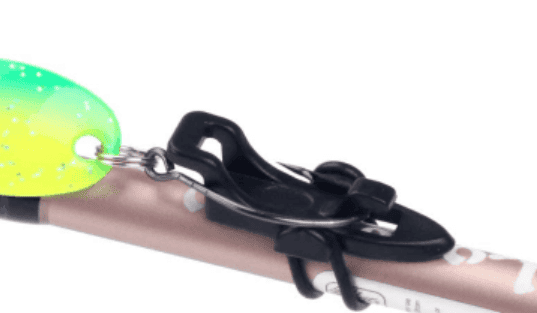
In fishing, “挂钩” typically refers to fishing hooks. Fishing hooks are a crucial part of fishing gear, used for catching fish. They come in various sizes, shapes, and styles, suitable for different types of fishing and species of fish. Here is some basic information about fishing hooks:
Types of Fishing Hooks
- Single Hook: As the name suggests, a single hook has only one point and is the most common type of fishing hook, used for a variety of fishing methods and fish species.
- Double Hook: With two points, these are often used for larger baits to increase the chances of catching fish.
- Treble Hook (also known as a Triple Hook): Having three points, treble hooks are commonly used with artificial lures or larger live baits to enhance the catch rate.
Sizes of Fishing Hooks
- Fishing hook sizes vary widely, from very small (for tiny fish) to very large (for big fish).
- The size of the hook is usually proportional to the size of the target fish species.
Materials of Fishing Hooks
- As mentioned earlier, common materials include high carbon steel, stainless steel, nickel or chrome-plated steel, tungsten, and tin, among others.
Considerations for Choosing Fishing Hooks
- Fish Species: Different fish species may require different types and sizes of fishing hooks.
- Bait Type: Different types of baits, such as live bait, artificial baits, or hard baits, may require different styles of fishing hooks.
- Fishing Environment: Freshwater and saltwater environments have different requirements for the corrosion resistance of fishing hooks.
Choosing the right fishing hook greatly impacts the success of fishing. Therefore, understanding the different types of fishing hooks and their applications is essential for enhancing fishing efficiency and enjoyment.
8. Materials of rod guides
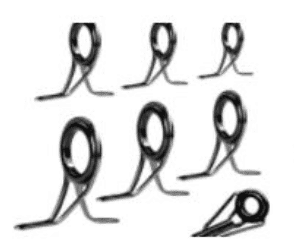
In fishing rods, “导杆” (commonly known as guides or guide rings) refers to the ring-like components mounted on the fishing rod to guide the fishing line. These guides are crucial for the performance of the fishing rod, and their design and material significantly affect fishing efficiency and experience. Here is some basic information about fishing rod guides:
Function of Guides
- Guiding the Line: Guides are evenly distributed along the length of the fishing rod, allowing the fishing line to smoothly extend and retract along the rod.
- Reducing Friction: Quality guides can reduce friction between the fishing line and the rod, protecting the line from damage.
- Enhancing Sensitivity: Guides help transmit vibrations from bites at the rod tip and line to the angler, increasing sensitivity.
Material of Guides
- Guides are typically made with a metal frame and an inset ring material, such as ceramic, hardened aluminum, or stainless steel.
- Ceramic rings are the most common choice due to their excellent wear resistance and low friction properties.
- Hardened aluminum or stainless steel rings are suitable for saltwater fishing, as they offer better corrosion resistance against saltwater.
Design of Guides
- There are various designs of guides, including single-foot and double-foot guides. Double-foot guides are more stable, while single-foot guides are lighter.
- The size and number of guides depend on the type of fishing rod and its intended use. Generally, guides near the tip are smaller, and they become larger towards the handle.
Considerations for Choosing Guides
- Type of Fishing: Freshwater and saltwater fishing have different requirements for the corrosion resistance of guides.
- Type of Fishing Line: Thin and thick fishing lines may require guides of different sizes and designs.
- Weight and Balance of the Rod: The weight and distribution of guides affect the overall balance of the fishing rod.
Proper selection and configuration of guides are vital for ensuring the performance of the fishing rod and extending its lifespan. High-quality guides can enhance the overall fishing experience, reduce wear on the fishing line, and increase the success rate of fishing.
9. Are expensive rods really the best?
Whether expensive fishing rods are the “best” depends on several factors, including the skill level of the angler, the type of fishing, personal preferences, and intended use. Here are some considerations:
- Materials and Craftsmanship: Expensive fishing rods often use high-quality materials, such as high-modulus carbon fiber, providing better sensitivity, strength, and lightness. Superior craftsmanship also means higher performance and durability.
- Professional Performance: For experienced anglers or professionals, expensive fishing rods may offer more precise control and higher performance, especially in specific fishing environments or targeting certain fish species.
- Personal Preference: Expensive fishing rods might better align with some anglers’ personal preferences, such as the feel, balance, and aesthetic design.
- Specific Usage: Certain types of fishing, like deep-sea fishing or fly fishing, may benefit from more expensive specialized rods, as they are optimized for specific fishing techniques and environments.
However, expensive fishing rods are not always the “best” choice for all anglers:
- Beginners or Casual Anglers: For beginners or those who fish as a leisure activity, a moderately priced rod might be sufficient, as they may not be able to fully utilize the advanced features of high-end rods.
- Budget Considerations: Budget constraints are another important factor. In some cases, investing in an expensive rod might not be the most economical choice, especially when mid-range rods can also meet the needs.
In summary, while expensive fishing rods can offer excellent performance and quality, whether they are the “best” choice depends on the specific needs and circumstances of the angler. When choosing a fishing rod, it’s important to find one that matches your personal fishing style, skill level, and budget.
10. How to choose a fishing rod for beginners?
For beginners, choosing the right fishing rod is an important decision that will affect their fishing experience and learning process. Here are some basic guidelines to help beginners select a fishing rod:
1. Type of Rod
- Spinning Rods: These are a great choice for most beginners as they are easy to use and suitable for a variety of fishing techniques.
- Casting Rods: Suitable for slightly more experienced anglers as they offer more precise casting control but require some skill to operate.
2. Rod Length
- Opt for a rod length typically between 6 to 8 feet (approximately 1.8 to 2.4 meters). Shorter rods are easier to control, while longer rods can provide greater casting distance.
3. Action and Power
- Action: Describes where the rod bends. Beginners should choose a Medium Action as it offers good sensitivity and versatility.
- Power: The rod’s resistance to bending. Medium power is suitable for most fishing situations.
4. Material
- Fiberglass: Beginner-friendly due to its durability and reasonable price.
- Carbon Fiber: Light and sensitive but more expensive. Suitable for beginners who plan to engage in fishing activities long-term.
5. Budget
- As a beginner, there’s no need to buy the most expensive rod. Choose one that offers good value for money, and you can upgrade as your skills improve.
6. Brand and Reviews
- Consider well-known brands when purchasing, as they usually offer good quality and customer service.
- Read online reviews and ratings to understand the experiences and recommendations of other anglers.
7. Try Before You Buy
- If possible, try out different rods before purchasing to find the one that feels most comfortable in your hands.
8. Seek Professional Advice
- Seek advice from a fishing tackle shop or local fishing community. Professionals can provide personalized recommendations based on your specific needs.
Choosing the right rod is crucial for beginners; it will not only influence your fishing experience but also help you learn and improve your fishing skills more quickly. Remember, the most suitable rod is one that fits your current skill level and continues to be useful as you progress.
In Conclusion
If you think this article is helpful for you, you can share it with your friends or on Facebook, Reddit, and Quora. If you have other questions, leave messages below and we’re glad to help you.
We‘re Zingsourcing, a leading sourcing agent in China. If you want to wholesale or customize fishing rod blanks or other components, please feel free to CONTACT US.