
As a powerhouse in global manufacturing, China has become a focal point for international buyers seeking tailor-made sofa cushions. The heart of a cushion’s appeal lies in its filling material – a critical component that defines both the comfort and longevity of a sofa. A cushion’s filling not only shapes the sitting experience but also plays a pivotal role in the sofa’s durability.
In this blog post, we will explore the top 6 options for sofa cushion filling materials:
Types of Foam Filling

Foam sofa filling is a widely used material in the manufacturing of sofas, known for its comfort and durability. Here’s an introduction to foam filling in sofas, detailing its features and considerations:
Types of Foam Filling
- Polyurethane Foam: The most common type of foam used in sofas, known for its versatility and varying densities. Higher-density polyurethane foam offers better support and longevity.
- Memory Foam: Known for its body-contouring properties, memory foam is often used in the seating areas of sofas to provide enhanced comfort and support.
- High-Resilience Foam: A higher quality foam that retains its shape and comfort level over a longer period. It’s more expensive but offers better durability.
- High-Density Foam: Provides a firmer seating surface and excellent longevity. It’s often used in commercial settings due to its durability.
Advantages of Foam Filling
- Comfort: Foam cushions offer a comfortable seating experience, with varying levels of softness based on the foam density.
- Durability: High-quality foam can maintain its shape and comfort for many years, making it a long-lasting choice.
- Support: Foam provides good body support, helping to alleviate pressure points and improve posture while seated.
- Customization: Available in various densities and firmness levels, allowing for customization based on personal preference.
- Maintenance: Foam-filled sofas are relatively easy to maintain, often requiring just regular fluffing and occasional vacuuming.
Disadvantages of Foam Filling
- Degradation Over Time: Lower quality foam may degrade, leading to sagging and loss of support over time.
- Heat Retention: Some types of foam, like memory foam, can retain body heat, which may be uncomfortable in warmer climates or for long sitting periods.
- Off-Gassing: New foam can emit a chemical smell (off-gassing) which may be unpleasant, though it usually dissipates over time.
- Environmental Impact: Traditional foam is a petroleum-based product, raising concerns about its environmental footprint. However, some manufacturers now offer eco-friendly options made from renewable resources.
foam sofa filling offers a comfortable, supportive, and customizable option for sofas, making it a popular choice. While it comes with advantages like durability and comfort, considerations such as potential off-gassing, heat retention, and environmental impact should be taken into account when selecting a foam-filled sofa.
Memory foam sofa filling
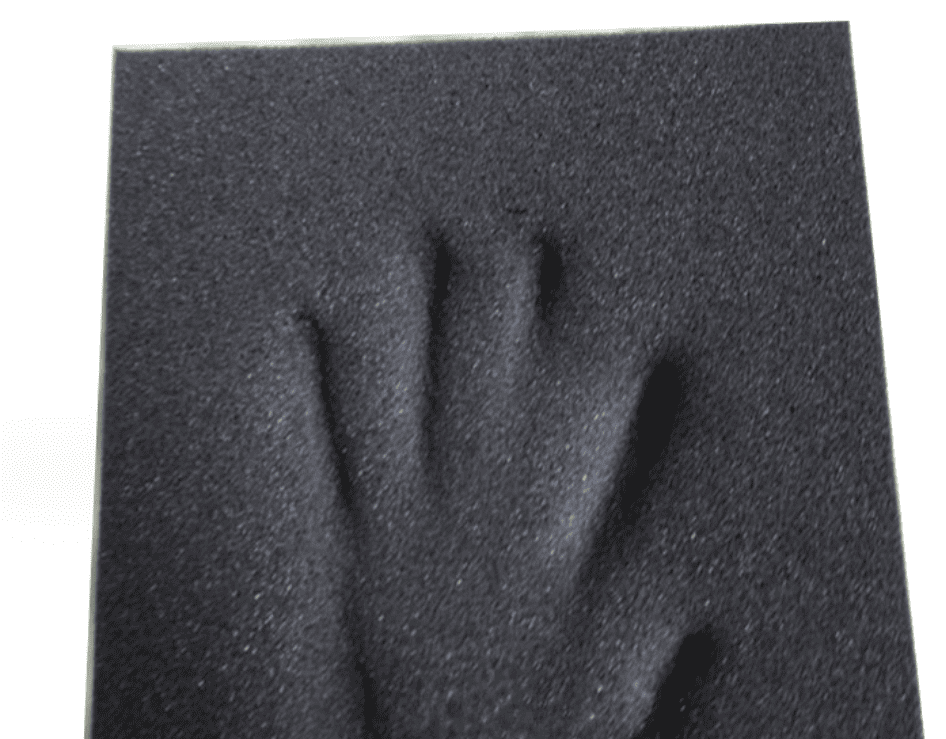
Memory foam, a material originally developed for NASA, has become a popular choice for sofa filling due to its unique properties. Here’s an introduction to memory foam as a sofa filling, highlighting its characteristics and considerations:
Properties of Memory Foam
- Viscoelasticity: Memory foam is known for its viscoelastic properties, meaning it can contour to the body in response to heat and pressure, and then return to its original shape once the pressure is removed.
- Density: Memory foam density can vary, affecting both comfort and durability. Higher-density memory foam provides better body support and tends to have a longer lifespan.
- Temperature Sensitivity: The material responds to body heat, allowing it to mold to a person’s shape, offering personalized comfort and support.
Advantages of Memory Foam Sofa Filling
- Comfort and Support: Memory foam’s ability to contour to the body provides exceptional comfort and support, evenly distributing body weight and reducing pressure points.
- Durability: High-quality memory foam can maintain its shape and support for many years, resisting sagging and indentation.
- Motion Isolation: It’s excellent at absorbing movement, which means less disturbance when sharing the sofa with others.
- Hypoallergenic: Memory foam is resistant to dust mites and allergens, making it a good choice for people with allergies.
Disadvantages of Memory Foam Sofa Filling
- Heat Retention: Memory foam tends to retain body heat, which can be uncomfortable in warm climates or for individuals who tend to overheat.
- Initial Off-Gassing: New memory foam may release an odor due to the release of volatile organic compounds (VOCs), although this usually dissipates over time.
- Weight: Sofas filled with memory foam are often heavier, which can make moving or repositioning them more challenging.
- Slow Response Time: The foam’s slow response to pressure changes can make it feel like you’re sinking into the sofa, which some people might find uncomfortable or difficult to get up from.
- Cost: Memory foam is generally more expensive than traditional foam fillings due to its advanced properties.
memory foam sofa filling offers superior comfort and support, conforming to the body’s shape for a personalized seating experience. Its durability and hypoallergenic properties are additional benefits. However, factors like heat retention, initial off-gassing, weight, response time, and cost should be considered when choosing a memory foam-filled sofa.
Synthetic fiber and cotton filling

When choosing sofa filling, synthetic fibers and cotton are two common options, each with its own set of characteristics. Here’s an overview of both materials as sofa fillings:
Synthetic Fiber Filling
Synthetic fibers, such as polyester, acrylic, and polypropylene, are man-made materials widely used in the furniture industry.
Advantages:
- Durability: Synthetic fibers are generally more durable and resilient than natural fibers, making them less prone to flattening and clumping.
- Cost-Effective: Usually more affordable than natural fiber fillings.
- Easy Maintenance: Resistant to stains and easy to clean.
- Allergy-Friendly: Less likely to attract dust mites and other allergens, making them a good choice for allergy sufferers.
- Consistency: Provides a consistent texture and feel, without the lumps that can occur in natural fillings over time.
Disadvantages:
- Less Breathability: Can trap heat, making them less comfortable in warm environments.
- Environmental Concerns: Synthetic materials are not biodegradable and their production can have a larger environmental footprint.
- Off-Gassing: Some synthetic materials can release volatile organic compounds (VOCs) when new.
Cotton Filling
Cotton, a natural fiber, has been used for centuries in various applications, including sofa fillings.
Advantages:
- Comfort: Offers a soft and comfortable seating experience.
- Breathability: Natural fibers allow air to circulate, making them cooler and more comfortable in warm conditions.
- Eco-Friendly: Cotton is a renewable resource and biodegradable.
- Hypoallergenic: Good for people with allergies as it is less likely to cause reactions.
Disadvantages:
- Susceptibility to Compression: Cotton fillings can compress and lose their shape over time, requiring regular fluffing.
- Maintenance: More prone to absorbing spills and stains, requiring more careful cleaning.
- Cost: High-quality cotton fillings can be more expensive than synthetic alternatives.
- Moisture Retention: Can absorb moisture, which may lead to mildew if not properly maintained.
synthetic fiber fillings in sofas offer durability, ease of maintenance, and are cost-effective but can have environmental impacts and may lack breathability. Cotton fillings, conversely, provide natural comfort, breathability, and are eco-friendly, but they may require more maintenance and can lose shape over time. The choice between synthetic fibers and cotton for sofa filling depends on individual preferences, budget, and lifestyle considerations.
Feather and down filling
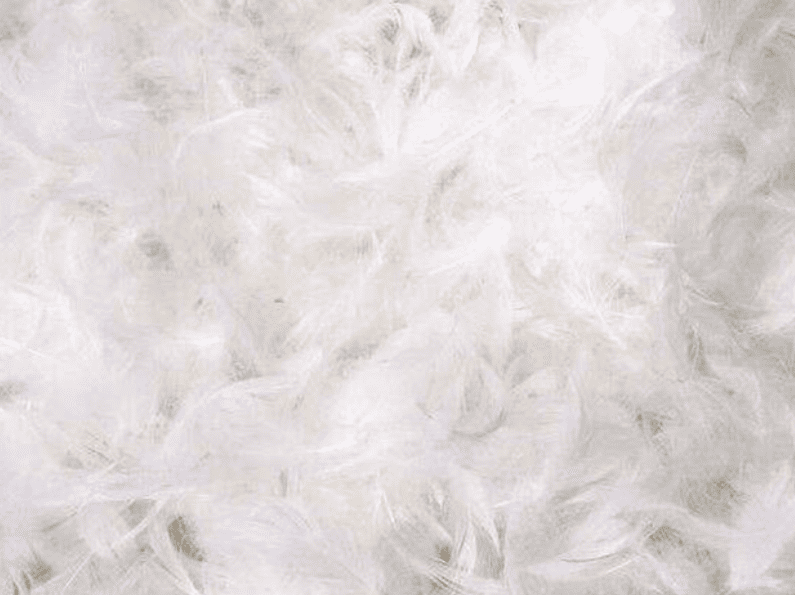
Feather and down fillings in sofas are synonymous with luxury and comfort. Derived from birds, these materials are used in higher-end sofas for their unique and desirable properties. Here’s a detailed introduction to feather and down as sofa fillings:
Feather Filling
Feathers, typically from ducks or geese, are the outer covering of birds. They are used in sofa cushions for their firmness and support.
Advantages:
- Supportive: Feathers provide more structure and support compared to down, making them suitable for seat cushions.
- Durability: With proper care, feather-filled cushions can last many years.
- Natural Material: As a natural product, feathers are more breathable than synthetic materials.
Disadvantages:
- Maintenance: Feather-filled cushions require regular fluffing to maintain their shape and comfort.
- Allergies: Some people may be allergic to feathers.
- Potential for Quills to Poke Through: Occasionally, quills can poke through the cushion fabric.
Down Filling
Down, the soft layer of fine feathers found under the tougher exterior feathers of birds, is prized for its softness and insulation properties.
Advantages:
- Softness and Comfort: Down is exceptionally soft and plush, providing a luxurious feel.
- Lightweight: Down is lighter than synthetic materials or regular feathers, adding to the comfort.
- Insulation: Offers good natural insulation, keeping the seating area warm and cozy.
Disadvantages:
- Compressibility: Down can compress over time and doesn’t offer the same support as feathers or synthetic materials. It needs regular fluffing.
- Cost: Down is more expensive than most other filling materials due to its luxurious quality.
- Allergies: Like feathers, down can trigger allergies in some individuals.
- Ethical Concerns: There are ethical considerations regarding how down is sourced. Ethically sourced or certified down is recommended.
Combination of Feather and Down
Many high-quality sofas use a combination of feather and down – feathers for support and down for softness. This combination balances support with plushness and is often considered the gold standard for sofa fillings.
Latex filling

Latex filling in sofas is an alternative option to more traditional materials like foam, feathers, or down. Made from natural or synthetic rubber, latex offers a unique set of properties that can enhance the comfort and durability of a sofa. Here’s a detailed introduction:
Types of Latex
- Natural Latex: Derived from the sap of rubber trees, natural latex is eco-friendly and hypoallergenic. It’s known for its durability and support.
- Synthetic Latex: Made from petrochemicals, it mimics the properties of natural latex but is usually less expensive.
- Blended Latex: A combination of natural and synthetic latex, offering a balance between performance and cost.
Advantages
- Durability: Latex is highly durable and maintains its shape and firmness over time, more so than traditional foam.
- Comfort and Support: It offers a unique, buoyant comfort that is both supportive and soft, helping to relieve pressure points.
- Hypoallergenic: Natural latex is resistant to dust mites, mold, and mildew, making it a good choice for allergy sufferers.
- Eco-Friendly: Natural latex is a sustainable material, especially when harvested responsibly.
- Breathability: Latex has natural cooling properties, making it more breathable than many synthetic foams.
Disadvantages
- Cost: Natural latex can be more expensive than other types of sofa fillings.
- Weight: Latex is heavier than some other materials, which can make moving the sofa more difficult.
- Limited Availability: Not as widely available as other materials, latex may be found more in specialty or higher-end furniture stores.
- Potential for Allergies: While hypoallergenic, some people may have latex allergies, particularly with synthetic latex.
- Firmness Variation: Some people may find latex too firm or too soft, depending on the blend and fabrication.
Care and Maintenance
Latex cushions require minimal maintenance. They should be kept away from direct sunlight to prevent degradation and can be cleaned with a damp cloth for spills or stains. Rotating the cushions periodically can also ensure even wear.
Springs and pocket springs
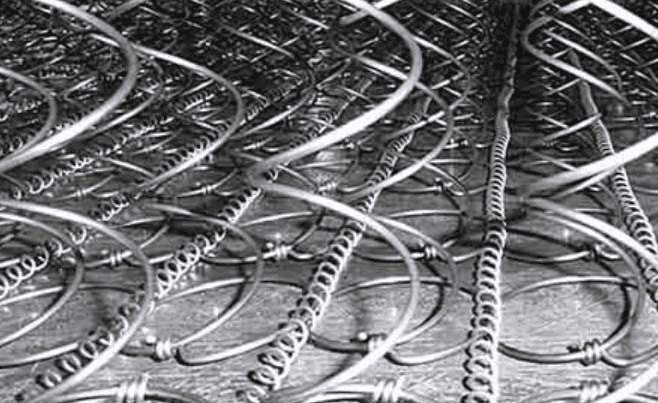
Springs and pocket springs are common materials used in the construction of sofas, known for providing excellent support and durability. Here’s a detailed introduction to these two types of sofa fillings:
Springs (Traditional Coil Springs)
Traditional coil springs have been used in sofa manufacturing for many years. They are typically made from steel and are interconnected in a spring system.
Advantages:
- Durability: Known for their longevity, coil springs can withstand extensive use without losing their shape or support.
- Supportive: They provide a firm and responsive seating surface, which can be beneficial for people who need extra support.
- Uniform Comfort: Offers a consistent feel across the seating area.
Disadvantages:
- Comfort Variability: Some may find the firmness of coil springs less comfortable than other materials.
- Noise and Wear: Over time, interconnected springs can squeak or poke through the upholstery.
- Weight: Spring-based sofas tend to be heavier, making them difficult to move.
Pocket Springs
Pocket springs are a more modern iteration of spring technology, where individual springs are encased in fabric pockets.
Advantages:
- Individual Support: Each spring works independently, providing targeted support and reducing motion transfer – a benefit if the sofa is shared.
- Customizable Firmness: Manufacturers can adjust the firmness by changing the tension in individual springs, catering to different comfort preferences.
- Durability: Like traditional springs, pocket springs are durable and maintain their shape well over time.
Disadvantages:
- Cost: Generally more expensive than traditional spring systems due to the complexity of their design.
- Maintenance: While less prone to squeaking than traditional springs, they may still require maintenance and are challenging to repair.
- Weight: Sofas with pocket springs can also be heavy and cumbersome to move.
Care and Maintenance
Both types of spring systems require minimal maintenance. However, it’s important to regularly check for any loose or protruding springs, especially in older sofas, to avoid damage to the upholstery and ensure continued comfort.
Foam vs latex vs down, which is the best stuffing for couch cushions?

Choosing the best stuffing for couch cushions depends on personal preferences, lifestyle, and specific needs such as comfort, durability, and maintenance. Let’s compare three common types of cushion fillings: foam, latex, and down.
Foam
Foam is a versatile and widely used material for couch cushions, offering various densities and firmness levels.
Pros:
- Variety: Available in a range of densities for different comfort levels.
- Support: High-density foam provides good body support.
- Shape Retention: Maintains shape over time, requiring minimal maintenance.
- Affordability: Generally more cost-effective than latex and down.
Cons:
- Comfort: Lower quality foam can degrade and become uncomfortable.
- Breathability: Some foam types can retain heat.
- Environmental Impact: Synthetic foam is not biodegradable.
Latex
Latex can be either natural or synthetic and is known for its durability and eco-friendliness.
Pros:
- Durability: Long-lasting and retains shape and firmness.
- Eco-friendly: Natural latex is biodegradable and sustainable.
- Hypoallergenic: Resistant to dust mites and mildew.
- Comfort: Offers a unique, buoyant comfort.
Cons:
- Cost: Generally more expensive than foam.
- Weight: Heavier than foam, making it harder to move.
- Availability: Less commonly used, so it might be harder to find.
Down
Down, the soft under feathers of ducks or geese, is prized for its luxurious softness.
Pros:
- Softness: Provides a plush, luxurious feel.
- Lightweight: Easy to move and fluff.
- Breathability: Excellent air circulation for comfort.
Cons:
- Maintenance: Requires regular fluffing to maintain shape.
- Allergies: Can trigger allergies in some people.
- Support: Offers less support; can flatten over time.
- Cost: More expensive than foam and often latex.
Best Choice Depends on Your Needs
- For Durability and Support: High-density foam or latex are both excellent choices. Latex tends to be more durable but is also more expensive.
- For Softness and Luxury: Down is unbeatable in terms of softness, but it requires more maintenance and isn’t as supportive.
- For Eco-Friendly Options: Natural latex is a great choice.
- For Budget-Friendly Options: Foam provides a range of options at different price points.
In summary, the best stuffing for couch cushions varies based on individual requirements and preferences. Foam offers a good balance of support, comfort, and affordability, while latex stands out for durability and eco-friendliness. Down, on the other hand, is ideal for those prioritizing softness and luxury. Consider what factors — comfort, maintenance, cost, durability, or environmental impact — are most important to you when making your choice.
finally
As a premier sourcing company based in China, ZingSourcing stands at the forefront of connecting you with top-tier suppliers specializing in high-quality sofa cushion manufacturing.
Embarking on a custom sofa project? Let us streamline the process for you. Our expansive network allows us to swiftly pinpoint the ideal suppliers to fit your unique needs, ensuring you receive competitive quotes without compromising on quality. At ZingSourcing, we pride ourselves on offering a diverse range of cushion fillings, each meeting stringent quality and safety standards.
Beyond just sourcing, our team of seasoned professionals is dedicated to guiding you through the selection of optimal printing techniques. This commitment ensures that your custom cushion covers not only meet but exceed your expectations, all while keeping an eye on cost-effectiveness.
From overseeing production to conducting meticulous inspections of the final products, we handle it all. Our comprehensive service includes organizing and managing shipping logistics, guaranteeing that your products are delivered to your doorstep at the most favorable rates. With ZingSourcing, experience seamless, end-to-end support for your custom sofa cushion needs.