
In today’s culinary landscape, the kitchen utensil market is brimming with a diverse array of materials, ranging from traditional metals to rustic woods, elegant glass, and modern synthetics. Our comprehensive guide dives into the heart of each material, unveiling their strengths and weaknesses, and addressing the crucial question of safety. We’re here to arm you with the knowledge you need to discern which materials align with your culinary needs and values. Ultimately, our insights aim to empower you to make an investment in kitchenware that is not just a purchase, but a contribution to the quality and safety of your cooking experience. Stay tuned as we explore this kitchenware kaleidoscope, helping you make choices that resonate with your cooking style and health considerations.
1. 11 Different Materials for Kitchen Utensils
When you step into the market looking for the perfect cooking utensils, the plethora of material options can be overwhelming. You might wonder, which material will provide the best cooking experience and also be safe and durable? Moreover, durability and price are significant factors that cannot be overlooked in your decision-making process.
To help you make an informed choice, here’s a detailed breakdown of 11 common cookware materials along with their respective advantages and disadvantages:
- Stainless Steel
- Cast Iron
- Aluminum
- Ceramic Coating
- Copper
- Hard-Anodized Aluminum
- Glass
- Stoneware
- Silicone
- Wood
- Plastic
Stainless Steel

Advantages
- Durability: Stainless steel utensils are known for their strength and durability. They are resistant to bending, breaking, and sustaining damage over time.
- Corrosion and Rust Resistance: Unlike other metals, stainless steel does not corrode or rust easily, which is essential in a moist kitchen environment.
- Hygienic: The non-porous nature of stainless steel makes it resistant to bacteria and germs, making it a safe choice for food preparation.
- Heat Resistance: Stainless steel can withstand high temperatures, making these utensils suitable for various cooking methods, including high-heat methods like frying and grilling.
- Non-Reactive: Stainless steel does not react with acidic or alkaline foods, ensuring that it does not alter the flavor or color of the food.
- Easy Maintenance and Cleaning: Most stainless steel utensils are dishwasher safe and easy to clean, maintaining their appearance without much effort.
- Aesthetic Appeal: Stainless steel has a sleek and modern look that suits almost any kitchen decor and maintains its appearance for years.
Disadvantages
- Heat Conductivity: Stainless steel conducts heat, which means the handles of utensils can get hot, making them uncomfortable or even unsafe to handle without pot holders.
- Cost: High-quality stainless steel utensils can be more expensive than other materials like plastic or aluminum.
- Weight: Stainless steel utensils tend to be heavier than their plastic or aluminum counterparts, which might be a consideration for some users.
- Scratching and Dents: While durable, stainless steel can get scratched and dented with heavy use or if mishandled.
- Water Spots: If not dried properly, stainless steel can develop water spots, which may affect the overall appearance.
- Limited Insulation: Unlike wooden or plastic utensils, stainless steel does not offer insulation from heat, making them less suitable for stirring or serving hot foods for extended periods.
Cast Iron

Advantages
- Exceptional Heat Retention and Distribution: Cast iron is known for its ability to retain heat exceptionally well and distribute it evenly. This makes it ideal for searing meat, deep-frying, baking, and slow-cooking.
- Versatility: Suitable for use on the stovetop, in the oven, or over a campfire. It’s great for a variety of cooking methods.
- Natural Non-Stick Surface: When seasoned properly, cast iron cookware develops a natural non-stick surface, reducing the need for large amounts of oil or butter.
- Durability: Cast iron is extremely durable. With proper care, it can last for generations, making it a one-time investment.
- Adds Iron to Food: Cooking in cast iron can increase the iron content in your food, which is beneficial, especially for people with iron deficiencies.
- Chemical-Free: Unlike some non-stick pans, cast iron doesn’t contain synthetic chemicals that might leach into food.
Disadvantages
- Heavy and Bulky: Cast iron cookware is significantly heavier than other materials, which can make handling and storage challenging.
- Requires Seasoning: To maintain the non-stick surface and prevent rust, cast iron needs to be seasoned regularly.
- Not Dishwasher Safe: Cast iron cannot be cleaned in a dishwasher or with soap (typically) as it can strip the seasoning. Cleaning requires a bit more effort.
- Slow to Heat Up: Cast iron takes longer to heat up compared to materials like aluminum or stainless steel.
- Reactivity with Acidic Foods: Cooking acidic foods like tomatoes can strip the seasoning off and potentially lead to a metallic taste in the food.
- Rust Prone: If not dried properly or left exposed to moisture, cast iron can rust.
- Uneven Heating on Some Cooktops: On electric or induction cooktops, cast iron can heat unevenly due to its thick base and sides.
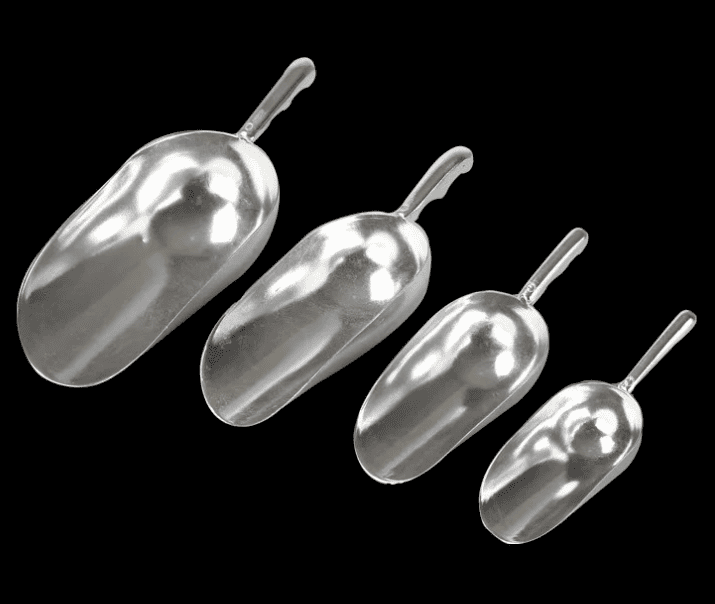
Aluminum
Advantages
- Lightweight: Aluminum utensils are much lighter than cast iron or stainless steel, making them easier to handle, especially for larger pots and pans.
- Excellent Heat Conductivity: Aluminum conducts heat quickly and evenly, reducing hot spots that can cause food to burn, making it ideal for cooking tasks requiring precise temperature control.
- Affordable: Generally, aluminum cookware is more affordable than other types like stainless steel or cast iron.
- Rapid Heating and Cooling: Aluminum utensils heat up and cool down quickly, providing more immediate cooking and stopping responses.
- Non-Reactive Anodized Aluminum: Anodized aluminum cookware has a hardened surface that is non-reactive, so it doesn’t alter the taste of acidic or alkaline foods.
Disadvantages
- Reactivity with Certain Foods: Regular aluminum can react with acidic and alkaline foods, potentially altering the flavor and color of the dish and leaching aluminum into the food.
- Durability: While it is durable, aluminum is softer than stainless steel and can dent or warp more easily under high heat or physical impact.
- Not Induction-Compatible: Plain aluminum cookware is not compatible with induction cooktops without a magnetic layer added to the bottom.
- Possible Health Concerns: There are health concerns about the long-term effects of aluminum leaching into food, although anodized aluminum is generally seen as safe.
- Maintenance: Aluminum utensils can discolor and require special care to maintain their appearance. Anodized aluminum, though more durable, can still be damaged by dishwashers or abrasive cleaning materials.
- Thermal Instability: While its quick heating is an advantage, this can also be a downside as it can lead to overheating and burning of food if not carefully monitored.
Ceramic Coating

Advantages
- Non-Stick Surface: The primary advantage of ceramic coating is its excellent non-stick properties, reducing the need for large amounts of oil or butter and making cooking and cleanup easier.
- Healthier Cooking: Due to its non-stick nature, it allows for healthier cooking with less fat.
- Safe and Non-Toxic: Ceramic coatings are generally free from PTFE (Teflon) and PFOA, chemicals often used in traditional non-stick coatings that have raised health concerns.
- Heat Distribution: Provides good heat distribution, depending on the core material of the cookware (such as aluminum), ensuring even cooking.
- Aesthetic Variety: Available in a range of colors and designs, ceramic cookware can be a stylish addition to the kitchen.
- Temperature Resistance: Ceramic coatings can withstand high temperatures, reducing the risk of releasing toxic fumes, unlike some traditional non-stick coatings.
Disadvantages
- Durability Concerns: Ceramic coatings can be less durable than other types of non-stick coatings. They can chip or wear down over time, especially if used with metal utensils or abrasive cleaners.
- Not Metal Utensil Safe: The use of metal utensils can scratch and damage the ceramic coating.
- Care and Maintenance: Requires careful maintenance to preserve the non-stick surface. It’s recommended to use wooden or silicone utensils and avoid high heat to prolong the life of the coating.
- Inconsistent Heat Resistance: While it’s good for high-heat cooking, extreme temperatures can damage the coating over time.
- Cost: High-quality ceramic cookware can be more expensive than traditional non-stick cookware.
- Not Induction Compatible: Unless designed with a suitable base, ceramic-coated cookware is not compatible with induction cooktops.
Copper

Advantages
- Superior Heat Conductivity: Copper is one of the best conductors of heat among all cookware materials. It heats up quickly and evenly, offering precise temperature control, which is crucial for delicate recipes.
- Aesthetic Appeal: Copper cookware often has a unique, elegant appearance, adding a touch of luxury and tradition to the kitchen.
- Cooler Handles: Copper disperses heat evenly across its surface, often resulting in cooler handles compared to the rest of the cookware.
- Versatility: Good for a variety of cooking techniques, especially those requiring precise temperature control.
- Responsiveness to Temperature Changes: Copper reacts quickly to changes in the heat source, giving cooks greater control over the cooking process.
Disadvantages
- Reactivity with Food: Copper can react with acidic foods, potentially leading to a metallic taste and the leaching of copper into the food. This is why most copper cookware is lined with another metal, such as stainless steel or tin.
- High Maintenance: Copper cookware requires regular polishing and maintenance to keep its shine and prevent tarnishing.
- Cost: Copper cookware is generally more expensive than other types of cookware due to its superior qualities and the cost of the material.
- Heavier Weight: Copper cookware can be heavier than other types, which might be a consideration for some users.
- Lining Wear: Over time, the tin or stainless steel lining of copper cookware can wear down and may need to be re-tinned, which is an additional maintenance cost.
- Not Induction Compatible: Copper is not naturally compatible with induction cooktops, although some copper pans are designed with a magnetic layer on the bottom for this purpose.
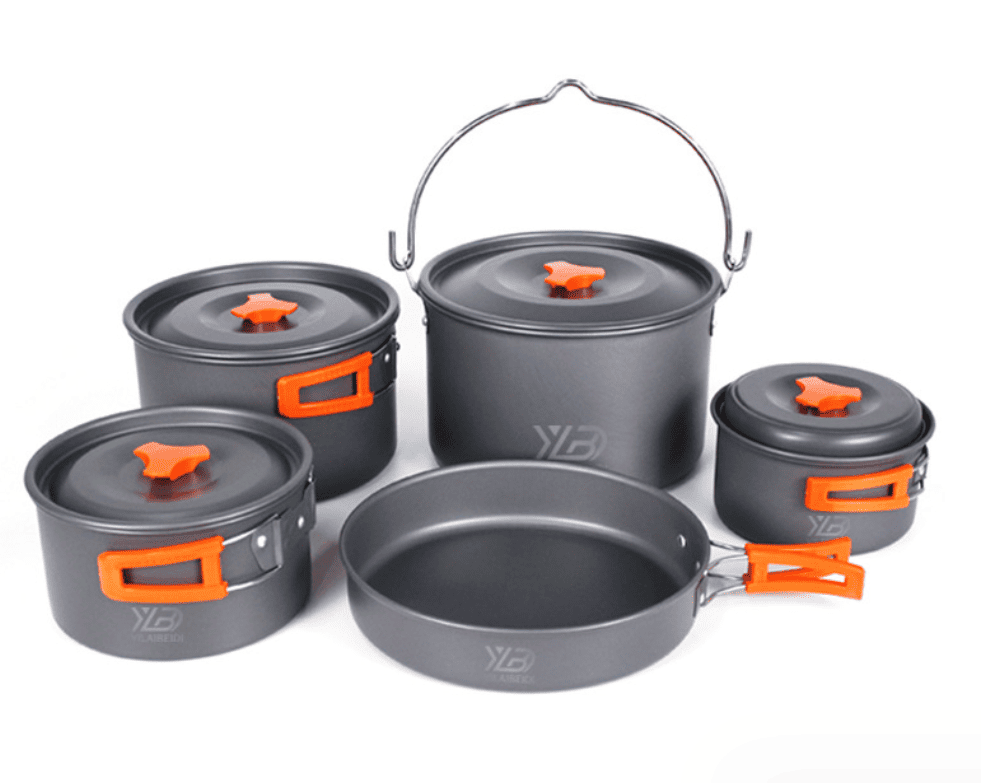
Hard-Anodized Aluminum
Advantages
- Durability: Hard-anodizing aluminum creates a very hard surface, much stronger than standard aluminum. This makes these utensils highly durable and resistant to scratches and abrasions.
- Non-Stick Surface: Many hard-anodized aluminum utensils come with a non-stick coating, providing an easy cooking and cleaning experience.
- Even Heat Distribution: Like aluminum, hard-anodized aluminum is an excellent heat conductor, ensuring even heat distribution and reducing hot spots that cause food to burn.
- Non-Reactive Surface: The anodization process seals the aluminum, preventing it from reacting with acidic foods, which can happen with regular aluminum.
- Lightweight: Despite their durability, these utensils are still lighter than many other materials, such as cast iron, making them easier to handle.
- Corrosion Resistant: The hard-anodized surface is less likely to corrode or tarnish over time.
Disadvantages
- Cost: Hard-anodized aluminum utensils are typically more expensive than regular aluminum cookware.
- Not Dishwasher Safe: The harsh detergents in dishwashers can damage the non-stick surface and degrade the anodized coating, so hand washing is recommended.
- Not Induction Compatible: Without a magnetic base, they cannot be used on induction cooktops.
- Appearance: Over time, the dark color of hard-anodized aluminum can fade or become stained, especially if used at high temperatures.
- Heat Limitation for Non-Stick Versions: If coated with non-stick material, they should not be used at very high temperatures, as this can degrade the coating.
- Potential Warping: Under extreme temperature changes, hard-anodized aluminum can warp, though it’s less prone to this than regular aluminum.
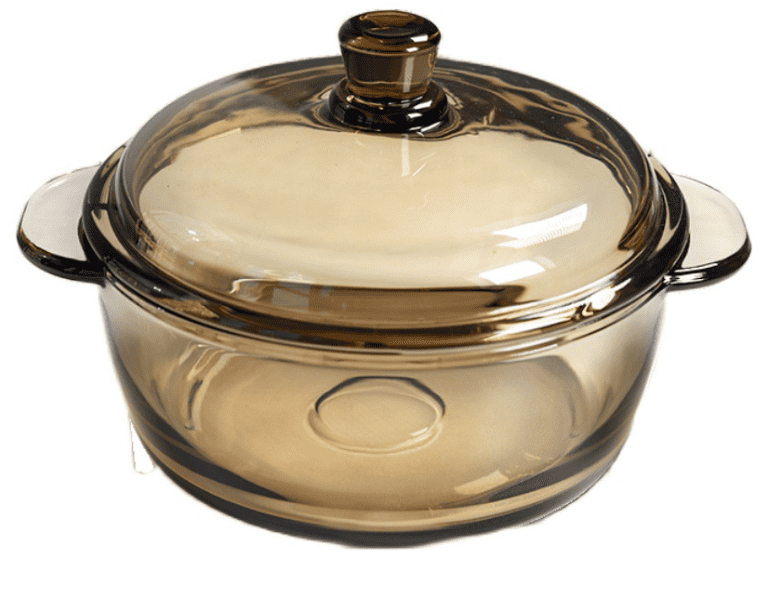
Glass

Advantages
- Chemical Inertness: Glass does not react with acidic or alkaline substances, ensuring no chemicals leach into your food, making it a healthy option for cooking and storage.
- Transparency: The clear nature of glass allows you to monitor your food as it cooks, which can be particularly helpful for baking and roasting.
- Non-Porous Surface: Glass has a non-porous surface that doesn’t harbor bacteria or odors, maintaining the purity of the food’s flavor.
- Heat Resistance: Certain types of glass, like borosilicate, can withstand high temperatures, making them suitable for use in ovens and microwaves.
- Easy to Clean: Glass is generally easy to clean and is dishwasher safe.
- Aesthetically Pleasing: Glass utensils often have an elegant appearance and can double as serving dishes.
Disadvantages
- Fragility: Glass is breakable and can shatter if dropped or exposed to thermal shock (sudden temperature changes).
- Heavier Weight: Glass cookware and storage containers can be heavier than their metal or plastic counterparts.
- Heat Conductivity: Glass does not conduct heat as well as metal, which can lead to uneven cooking, particularly on direct heat sources like stovetops.
- Not Suitable for High-Heat Cooking: Although some glass is designed to withstand oven temperatures, it’s generally not suitable for high-heat cooking methods like frying or searing.
- Limited Compatibility: Not all glassware is compatible with induction cooktops or direct flame.
- Scratching and Staining: Over time, glass can become scratched or stained, especially if abrasive cleaners are used.
Stoneware
Advantages
- Heat Retention: Stoneware has excellent heat retention properties, which helps keep food warm for a longer time.
- Durability: Stoneware is known for its durability and resistance to chipping and scratching. It’s denser and stronger than earthenware.
- Oven-Safe: Most stoneware is safe to use in the oven, making it ideal for baking and roasting.
- Aesthetic Appeal: Stoneware often has a rustic, artisanal look and comes in a variety of glazes and finishes, making it attractive for serving and table settings.
- Non-Reactive Surface: It doesn’t react with acidic foods, so you can cook a variety of dishes without worrying about altering the food’s flavor.
- Microwave and Dishwasher Safe: Many stoneware products are safe to use in the microwave and can be easily cleaned in a dishwasher.
Disadvantages
- Weight: Stoneware is heavier than other types of cookware and bakeware, which can make handling, especially larger pieces, more challenging.
- Temperature Sensitivity: While stoneware can handle high oven temperatures, it’s sensitive to rapid temperature changes and can crack if exposed to thermal shock (e.g., moving from a cold environment directly into a hot oven).
- Not Stovetop Safe: Most stoneware is not suitable for use on a stovetop or under a broiler.
- Porosity: If not properly glazed, stoneware can be porous and may absorb water, leading to staining and weakening over time.
- Variability: Since many stoneware items are handmade, there can be variability in quality and durability.
- Care and Maintenance: While generally low maintenance, certain types of stoneware can require special care, such as avoiding abrasive cleaning tools to maintain a glazed surface.
Silicone

Advantages
- Heat Resistance: Silicone utensils can withstand high temperatures, often up to 500°F (260°C), making them safe for cooking and baking.
- Non-Stick and Flexible: Silicone has natural non-stick properties, reducing the need for additional non-stick sprays or oils. Its flexibility makes it great for scraping and scooping.
- Non-Scratch: Silicone is soft and will not scratch or damage non-stick cookware surfaces.
- Easy to Clean: Most silicone kitchen utensils are dishwasher safe and easy to clean due to their non-stick surface.
- Durability: Silicone is resistant to staining, odor, and flavor absorption. It also doesn’t corrode or deteriorate over time like some metal utensils.
- Variety of Colors and Designs: Available in a wide range of colors and shapes, silicone utensils can add a fun and functional touch to the kitchen.
Disadvantages
- Not Sharp or Rigid: Silicone is not suitable for tasks requiring sharp edges or extreme rigidity, like cutting or chopping.
- Melting Risk: While heat-resistant, silicone can melt or warp if exposed to direct flame or temperatures above its resistance level.
- Chemical Concerns: Lower quality silicone may contain fillers that can be harmful. It’s important to buy food-grade, high-quality silicone utensils.
- Stability Issues: Silicone utensils can be less stable and supportive compared to their metal or wooden counterparts, making them less suitable for heavy-duty tasks.
- Environmental Impact: While durable, silicone is not biodegradable. However, it is a more eco-friendly alternative to single-use plastics.
- Odor Retention: Some users report that silicone can retain strong odors, especially when new or exposed to strong-smelling foods.
Wood

Advantages
- Gentle on Cookware: Wood is soft and non-abrasive, making it ideal for use with non-stick cookware as it won’t scratch or damage the surface.
- Heat Resistance: Wooden utensils don’t conduct heat like metal ones, so they stay cool to the touch and are safe for stirring hot dishes.
- Durability: When properly cared for, wooden utensils can last many years, even decades.
- Aesthetic Appeal: Wood adds a natural, rustic charm to kitchen decor. Each piece can have a unique grain and color.
- Biodegradable: Wood is a natural material that is biodegradable and environmentally friendly.
- Antibacterial Properties: Natural wooden utensils have inherent antibacterial and antimicrobial properties.
Disadvantages
- Maintenance: Wooden utensils require more care than metal or plastic. They should be hand-washed (not dishwasher safe) and periodically oiled to maintain their surface and prevent drying out or cracking.
- Can Absorb Flavors and Odors: Wood is porous and can absorb strong flavors and odors, which may transfer to other foods.
- Not Ideal for High-Temperature Cooking: Wood can char or burn if left in a hot pan or used over high heat.
- Prone to Staining: Some foods can stain wooden utensils, altering their appearance over time.
- Can Warp or Crack: If exposed to prolonged moisture or not dried properly, wooden utensils can warp or crack.
- Inconsistency in Quality: The quality of wood can vary greatly, with softer woods being less durable than harder ones.
Plastic

Advantages
- Affordability: Plastic utensils are generally cheaper than those made from materials like stainless steel, wood, or silicone.
- Lightweight: Plastic is very light, making utensils easy to handle, especially for tasks that require agility, like flipping or stirring.
- Variety of Colors and Designs: Plastic utensils come in a wide range of colors and styles, allowing for customization of kitchen aesthetics.
- Non-Reactive to Foods: High-quality plastic does not react with acidic or alkaline foods, making it safe for various cooking tasks.
- Low Heat Conductivity: Plastic utensils don’t conduct heat, which means they won’t become hot to the touch when left in a pot or pan.
- Durability: Many types of plastic utensils are quite durable and resistant to breaking or chipping.
Disadvantages
- Melting Hazard: Plastic can melt or warp if exposed to high heat, making it unsuitable for certain cooking methods.
- Chemical Leaching: Lower quality plastics can leach chemicals into food, especially when used with hot foods or in the microwave.
- Environmental Impact: Plastic is not biodegradable and contributes to environmental pollution, especially if not recycled properly.
- Staining and Odor Absorption: Plastic can absorb colors and odors from foods, which can be difficult to remove.
- Scratching and Wear: Plastic utensils can get scratched over time, and these scratches can harbor bacteria and dirt.
- Not Ideal for High-Temperature Cooking: Due to their low melting point, plastic utensils are not suitable for high-temperature cooking like frying or grilling.
2. What Materials are Cooking Utensil Handles Made of?
Cooking utensil handles are made from a variety of materials, each chosen for its unique properties like durability, heat resistance, comfort, and aesthetic appeal. Here are some common materials used for cooking utensil handles:
- Stainless Steel: Known for its durability and resistance to heat and rust. Stainless steel handles are sturdy and have a sleek, modern look but can get hot during cooking.
- Wood: Popular for its classic appearance and insulation properties. Wood handles don’t conduct heat, making them comfortable to hold, but they require more maintenance to prevent cracking and are not dishwasher safe.
- Silicone: Offers excellent heat resistance and a comfortable, non-slip grip. Silicone handles are often found on modern utensils and are easy to clean and maintain.
- Plastic: Widely used due to its affordability and heat-resistant varieties. Plastic handles are lightweight and can come in various colors, but they may not withstand very high temperatures.
- Rubber: Provides a comfortable, non-slip grip and good heat resistance. Rubber handles are often ergonomically designed for comfort but may not be as durable as metal.
- Bakelite: A type of heat-resistant plastic that’s commonly used for handles on pots and pans. Bakelite handles stay cool during cooking and are durable, but they can’t be used in an oven.
- Cast Iron: Some pans, like skillets, have handles made from the same cast iron as the pan. These handles are extremely durable and oven-safe but can become very hot.
- Metal with Silicone or Rubber Coating: Some utensils combine a metal handle with a silicone or rubber coating for durability and a comfortable, heat-resistant grip.
- Composite Materials: Advanced kitchen tools might use composite materials, which combine the benefits of different materials, like heat resistance and durability, in one.

Each material offers different benefits, and the choice often depends on the type of cooking, the level of heat exposure, and personal preference for handling comfort and maintenance.
3. Which Cooking Utensil Material is Best for Health?
Selecting the best cooking utensil material for health involves considering factors such as chemical stability, reactivity with foods, and potential for leaching harmful substances. Here are some of the healthier options:
- Stainless Steel: Highly regarded for its durability and chemical inertness. Stainless steel does not react with acidic or alkaline foods and is less likely to leach metals into food, making it a safe choice for most cooking tasks.
- Cast Iron: Offers a unique advantage of fortifying food with iron, a vital nutrient. However, it is reactive with acidic foods and requires proper seasoning and maintenance to prevent rust and maintain its non-stick properties.
- Ceramic: Ceramic cookware, especially those that are 100% pure ceramic, is non-reactive and free from harmful chemicals like PFOAs, PFAS, lead, and cadmium. It’s ideal for slow cooking and baking.
- Glass: Completely non-reactive and free from potentially harmful chemicals. Glass is ideal for baking and storing food, but its use as a cookware material is limited due to its low thermal shock resistance.
- Anodized Aluminum: This is aluminum that has been treated to create a corrosion-resistant layer. It’s more stable and less reactive than regular aluminum, minimizing the risk of leaching. However, it’s still less preferred compared to materials like stainless steel or ceramic.
- Silicone: High-quality, food-grade silicone is heat-resistant and non-reactive, making it safe for cooking. However, ensure it’s of high quality as cheaper silicone may contain fillers that can leach out at high temperatures.
- Bamboo and Wooden Utensils: Natural and chemical-free, they are safe for most cooking, especially for stirring and serving, but they are not suitable for high-heat cooking.
It’s important to avoid cooking utensils made from or coated with toxic materials like Teflon (older non-stick coatings that contain PFOA), uncoated aluminum (which can leach into acidic foods), and plastics that can melt or leach chemicals at high temperatures.
When choosing cookware for health, consider not only the material but also the quality and the specific brand, as manufacturing processes and coatings can significantly affect the safety and healthfulness of the cooking utensils.
4. Which Materials of Cooking Utensils Should You Avoid?
When it comes to cooking utensils, certain materials are best avoided due to health concerns or poor cooking performance. Here are some materials you should be cautious about:
- Non-Stick Coatings (like Teflon) containing PFOA or PFOS: Older non-stick cookware often contains PFOA (Perfluorooctanoic Acid) or PFOS (Perfluorooctanesulfonic Acid), which have been linked to various health problems. Newer non-stick materials are generally safer, but it’s important to avoid overheating them as they can release toxic fumes at high temperatures.
- Aluminum: Uncoated or untreated aluminum can react with acidic foods, leading to the leaching of aluminum into your food. While the health impacts of aluminum exposure are subject to debate, it’s generally advised to avoid using untreated aluminum utensils for cooking.
- Plastic: Plastics, especially when heated, can release harmful chemicals like BPA (Bisphenol A) and phthalates into food. Avoid plastic utensils for cooking, especially at high temperatures, and opt for BPA-free plastics for food storage.
- Copper: Pure copper utensils can react with acidic foods, leading to ingestion of copper, which can be toxic. Copper cookware is typically lined with another material to prevent this, but it’s important to ensure that the lining is intact.
- Ceramic Coated Cookware with Lead or Cadmium: Some ceramic cookware, especially older or poorly manufactured items, may contain lead or cadmium in the glaze. These heavy metals can be toxic if they leach into food.
- Cheap Silicone: While food-grade silicone is generally safe, low-quality silicone may contain fillers or additives that can leach out at high temperatures.
- Tin and Nickel: These are less common, but they can also leach into food, especially when cooking acidic dishes.
To ensure safety and quality in cooking, it’s advisable to invest in high-quality cookware and utensils from reputable brands. Look for items that are certified and tested for safety, and always follow the manufacturer’s guidelines for use and care. Remember, the best choice of material can also depend on the type of cooking you do and your specific health concerns.
5. How to Choose the Right Materials for Your Kitchen Utensils?
Choosing the right materials for your kitchen utensils is crucial for both cooking performance and health reasons. Here’s a guide to help you make informed decisions:
- Consider Your Cooking Needs:
- High Heat Cooking: Choose materials that can withstand high temperatures without degrading or leaching harmful chemicals. Cast iron, high-quality stainless steel, and certain types of non-stick coatings are suitable.
- Acidic Foods: If you frequently cook with acidic ingredients like tomatoes or citrus, avoid reactive metals like aluminum and unlined copper. Stainless steel or enameled cast iron are better choices.
- Health and Safety Considerations:
- Avoid Toxic Coatings: Steer clear of cookware with coatings that contain harmful chemicals like PFOA or PFOS. Look for newer non-stick technologies that are advertised as PFOA-free.
- Check for Lead and Cadmium: This is particularly important for ceramic cookware and glazes.
- Maintenance and Durability:
- Ease of Maintenance: Some materials like cast iron require seasoning and can’t be washed with soap, while stainless steel is more low-maintenance.
- Durability: Materials like stainless steel and cast iron are very durable, while non-stick coatings can wear out over time.
- Heat Conductivity and Reactivity:
- Even Heat Distribution: Materials like copper and aluminum are excellent heat conductors but may react with acidic foods. Anodized aluminum or stainless steel with an aluminum core can be good alternatives.
- Non-Reactive Materials: Stainless steel and glass do not react with foods and are safe choices for cooking a variety of dishes.
- Ergonomics and Comfort:
- Handle Material: Ensure the handle material is comfortable and stays cool. Silicone, wood, or certain plastics can provide good grip and heat resistance.
- Weight and Balance: Choose utensils that feel balanced and comfortable in your hand. Heavier materials like cast iron may be durable but can be challenging to handle for some.
- Environmental Impact:
- Sustainability: Consider materials that are durable and eco-friendly. Stainless steel and cast iron are long-lasting, reducing the need for frequent replacements.
- Recyclability: Materials like stainless steel and cast iron are recyclable, which is beneficial for the environment.
- Budget:
- While higher-quality materials might be more expensive upfront, they can be more cost-effective in the long run due to their durability and longevity.
By carefully considering these factors, you can select kitchen utensils that are not only safe and effective for your cooking style but also durable and beneficial for your overall health and the environment.
6. Which Stainless Steel is Best for Cooking?
When choosing stainless steel for cooking, it’s important to understand the different types and their properties. The best stainless steel for cooking typically has the following characteristics:
- Grade:
- 304 (18/8 and 18/10 Stainless Steel): This is the most common grade used in kitchenware. The numbers 18/8 and 18/10 refer to the composition of the steel: 18% chromium and 8% or 10% nickel, respectively. This composition provides good corrosion resistance and maintains an excellent shine. 18/10 is slightly more corrosion-resistant due to the higher nickel content.
- 316 (also known as Marine Grade): Contains molybdenum in addition to chromium and nickel, making it even more resistant to corrosion, especially against chlorides like salt. It’s a great choice if you live in a coastal area or deal with salty foods frequently.
- Finish:
- Polished Finish: Provides a shiny and smooth surface that’s easy to clean and resists sticking. It’s also aesthetically pleasing.
- Brushed Finish: Has a matte look and is good at hiding fingerprints and minor scratches.
- Core or Cladding:
- Stainless steel is not the best conductor of heat, so many high-quality stainless steel pots and pans will have a core of aluminum or copper, or they may be clad (layered) with these metals. This improves heat distribution and cooking performance.
- Fully Clad Cookware: The best option for even heat distribution. It typically has layers of stainless steel, aluminum, and sometimes copper, extending up the sides of the pots and pans, not just at the base.
- Gauge (Thickness):
- The thickness of the stainless steel can affect its durability and heat conduction. Heavier-gauge (thicker) stainless steel tends to be more durable and have better heat distribution, but it will also be heavier and more expensive.
- Reactivity:
- High-quality stainless steel is non-reactive, meaning it won’t impart metallic flavors into your food or react with acidic ingredients.
- Safety:
- Ensure that the stainless steel cookware you choose is free from harmful coatings or treatments and is certified for food safety.
In summary, for most kitchen needs, 18/8 or 18/10 stainless steel is an excellent choice due to its balance of durability, corrosion resistance, and affordability. If you need extra corrosion resistance, consider 316 grade. Look for fully clad cookware with an aluminum or copper core for the best heat distribution. Remember to consider the weight and handle design for ease of use and comfort.
Final Words
We’re Zingsourcing, a leading sourcing company in China. If you’re interested in wholesaling or customizing kitchen utensils of different materials, please feel free to CONTACT US.