
The Physical Vapor Deposition (PVD) process is revolutionizing the world of surface coatings with its rapid growth and versatile capabilities. This cutting-edge technique is distinguished by its ability to apply a wide array of coating materials on a diverse range of substrates, including both metals and plastics.
In this article, we delve deep into the heart of PVD technology, exploring the plethora of coating materials it can employ. Our focus extends to a detailed enumeration of substrates suitable for the PVD process, illustrating the breadth of its application.
Beyond the basic introduction, we also illuminate the crucial properties that PVD coatings impart to substrates.
1. What Can PVD Coating Be Made of?
The PVD coatings are mainly made up of the following substances:
- Gold
- Graphite
- Titanium
- Zirconium
- Aluminum
- Silicon Oxide
- Diamond-like Carbon ( DLC )
- Sulphur and Molybdenum based
PVD coatings are typically made from several types of materials, including metals such as titanium, chromium, and aluminum, as well as their nitrides and carbides. These materials are chosen based on the desired properties of the final coating, like enhanced hardness, wear resistance, or specific coloration. The process involves the vaporization of the coating material, which then condenses on the substrate, forming a thin, uniform layer.
Gold as a Premium Coating Material
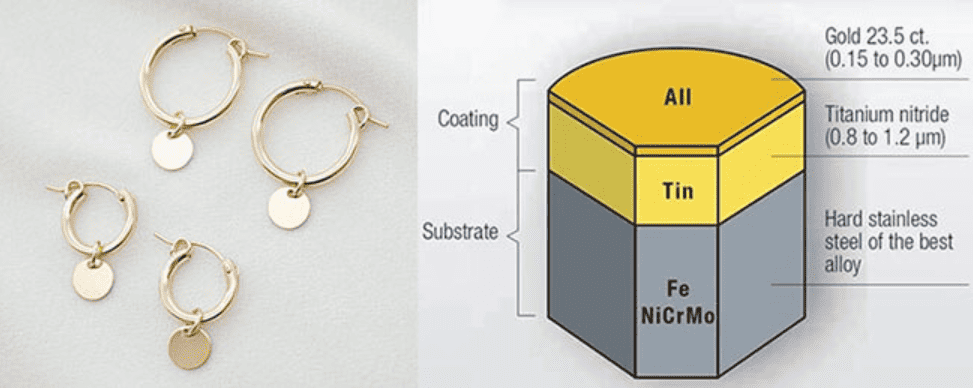
Gold, renowned for its lustrous appeal, is not just confined to the realm of fine jewelry and timepieces. It imparts a sleek, radiant finish, transforming ordinary surfaces into visually appealing masterpieces. What’s more, gold-coated items offer the opulence of gold at a fraction of the cost. This affordability aspect has catalyzed the popularity of gold-coated stainless steel jewelry, with 14k and 18k variants being market favorites. Beyond aesthetics, gold coatings find strategic use in aerospace engineering, enhancing both functionality and visual appeal.
Graphite: The Pinnacle of Coating Materials for Durability
Graphite coatings are the go-to for a sophisticated, dark luster combined with unparalleled load-bearing capabilities. They excel in fluid-intensive environments like bathrooms and kitchens, offering high wear resistance and minimal friction. This makes graphite-coated accessories not only durable but also functionally superior.
Titanium: A Versatile Coating for Enhanced Hardness
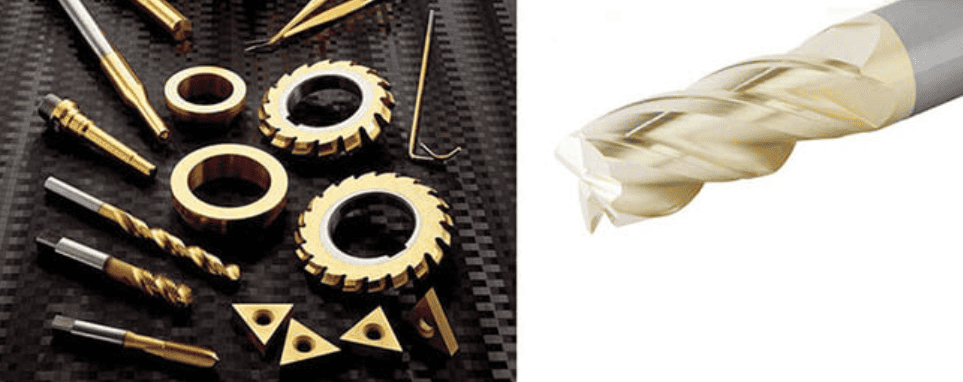
Titanium coatings, including Titanium Nitride, Titanium Carbon Nitride, and Titanium Aluminum Nitride, are synonymous with exceptional hardness. Their ability to drastically increase material durability is unparalleled, with titanium nitride coatings ranking just below diamonds in hardness. These coatings are widely used in various industries, from enhancing cutting tools and medical equipment to adding a touch of resilience to watches.
Zirconium: The Ultimate Choice for Corrosion Resistance
Zirconium, particularly in its nitride form, is a sought-after coating material known for its impressive hardness (2800 Vickers) and lifetime corrosion resistance. This makes it ideal for heavy-duty machinery and extends its usage to a variety of industrial applications.
Aluminum: The Versatile Coating with Aesthetic Appeal
Aluminum coatings, often used independently or mixed with other materials, are a staple in the automotive industry. Known for their strength, corrosion resistance, and glossy finish, these coatings are frequently applied to plastic components, enhancing both functionality and visual appeal.
Silicon Oxide (SiOx): The All-Rounder in Coating Technology
SiOx coatings stand out for their versatility, applicable to a wide range of materials including metals, plastics, and alloys. These coatings excel in enhancing desired properties without compromising the substrate’s natural aesthetics.
Diamond-like Carbon (DLC): Hardness Meets Luxury
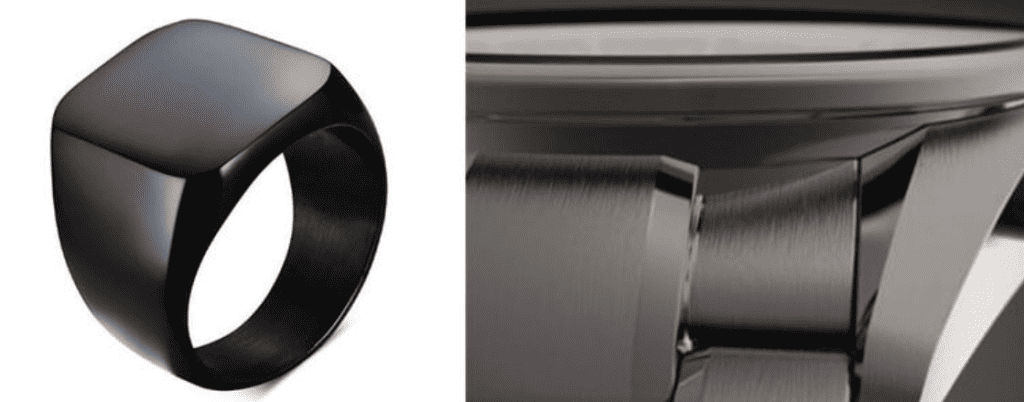
DLC coatings are a marvel in the coating world, offering the hardness of a diamond and the lubricity of graphite. With hardness levels up to 9000 HV on the Vickers scale, these coatings are a popular choice for luxury watches, combining functional superiority with an elegant finish.
Understanding Sulphur and Molybdenum-Based Coatings
Primarily utilized by space agencies like NASA, sulphur and molybdenum-based coatings are known for their exceptional wear resistance and ultra-low friction qualities, surpassing even Teflon and graphite in certain aspects. With a Vickers hardness ranging between 1500 HV and 2000 HV, these coatings are designed for the most demanding applications.
2. What is the Thickness of PVD Coating?

The thickness of PVD coatings can vary significantly depending on the application. Typically, these coatings are in the range of 0.2 to 5 micrometers. The precise control over the thickness is one of the standout features of PVD technology, allowing for fine-tuning of the coating to achieve specific performance characteristics. Thin coatings are often used for decorative purposes, while thicker coatings are preferred for applications requiring enhanced durability.
3. What is the Hardness of PVD Coatings?
The hardness of the PVD coating depends on the following factors:
- Types of PVD method used
- Operator skills
- Coating materials
- Nature of substrate (Product)
PVD coatings are renowned for their exceptional hardness, which significantly surpasses that of the substrate material. The hardness of PVD coatings can vary but often reaches levels of 80 HRC (Rockwell Hardness) or higher, depending on the material used and the specific process parameters. This high level of hardness is instrumental in reducing wear and tear, especially in high-friction applications.
4. What Materials can be PVD Coated on?
PVD Coating Applied to Metals: A Spectrum of Possibilities PVD coating breathes new life into various metals, enhancing their functional and visual properties. The most commonly treated metals include:
- Zinc: Known for its corrosion resistance.
- Brass: Offers an elegant, antique finish.
- Copper: Enhances electrical conductivity.
- Graphite: Ideal for high-temperature environments.
- Titanium: Renowned for its strength and lightness.
- Aluminum: Offers a combination of durability and lightness.
- Steel Variants: From stainless to tool steel, each variant benefits from added wear resistance and aesthetic enhancement.
Through PVD coating, these metals gain improved wear resistance, corrosion resistance, and aesthetic diversity, making them more suitable for specialized applications.
Transforming Plastics with PVD Coating: A Fusion of Function and Elegance Metallization of plastics through PVD coating not only imparts a metallic look but also enhances the structural integrity of plastic products. This process is a cost-effective solution that combines the lightweight nature of plastics with the robust features of metals. Common plastics suitable for PVD coating include:
- PVC: Versatile and durable.
- Nylon: Known for its strength and flexibility.
- Epoxies: Exceptional adhesive properties.
- Polyester: Durable and chemical-resistant.
- Phenolics: Offers excellent electrical insulation.
- ABS Plastic: Combines rigidity and toughness.
- Polyethylene: Widely used due to its versatility.
- Polypropylene: Resistant to many chemical solvents.
- Polycarbonate: Known for its impact resistance.
A wide range of materials can be treated with PVD coatings, including metals, alloys, ceramics, and even some plastics. The ability to apply PVD coatings to diverse materials makes this technology incredibly versatile. The key requirement is that the substrate can withstand the vacuum and temperature conditions of the PVD process.
You can see the chart below to learn which materials require base layer and which do not base layers for better outcomes:
| Do Not Need Base Layer | Need Base Layer(Coating can also be applied directly) |
| Titanium;Graphite;Stainless Steel | Steel;Brass;Copper |
5. PVD Coating on Stainless Steel
Physical Vapor Deposition (PVD) on stainless steel stands as a pinnacle in material enhancement, widely acclaimed for its ability to significantly elevate the properties of stainless steel.
Diverse Applications of PVD-Coated Stainless Steel
- Jewelry: PVD coating on stainless steel jewelry introduces a spectrum of captivating colors like gold, rose gold, and deep black, along with varied surface finishes from matte to polished. This technological advancement bridges the gap between luxury and affordability, offering a premium aesthetic at a fraction of the cost.
- Transportation: In the realm of mobility, PVD-coated stainless steel plays a pivotal role, enhancing both the functionality and aesthetics of vehicle interiors, including ceilings, walls, and seats. This advancement not only adds to the visual appeal but also contributes to the durability and longevity of transportation components.
- Architecture: The architectural sector has embraced PVD-coated stainless steel for its durability and visual allure. Utilized in cladding and profile designs in venues like shopping malls and hotels, it ensures a lasting, premium appearance with an economical edge.
- Functional Machine Parts: Beyond aesthetics, PVD coating on stainless steel is crucial in manufacturing functional machine parts. It significantly boosts properties such as hardness, corrosion resistance, and friction reduction, thereby extending the lifespan and enhancing the performance of the parts.
Why Stainless Steel is Ideal for PVD Coating
- No Need for a Base Layer: Stainless steel’s inherent properties allow PVD coatings to adhere directly, streamlining the process.
- Superior Adhesion: The compatibility of stainless steel with various coating substances ensures a durable and robust finish.
- Cost-Effectiveness: Compared to other metals, stainless steel offers an economical solution for long-term durability and corrosion resistance.
- Inherent Durability: The natural corrosion resistance of stainless steel makes it an ideal candidate for PVD coating, further enhancing its lifespan and utility.
Final Words
We’re Zingsourcing, a leading sourcing company in China. If you want to wholesale or customize jewelry from China, please feel free to CONTACT US.