
The striking similarities between copper and brass often ignite intriguing discussions in the manufacturing world. However, a closer look reveals several distinct differences between these two materials in terms of color, cost, hardness, and strength. In this detailed analysis, we delve into both materials individually and in comparison, offering insights that are sure to be invaluable. Dive in to uncover the unique characteristics and applications of copper and brass, and how they differentiate from one another in the manufacturing landscape.
1. What is copper?
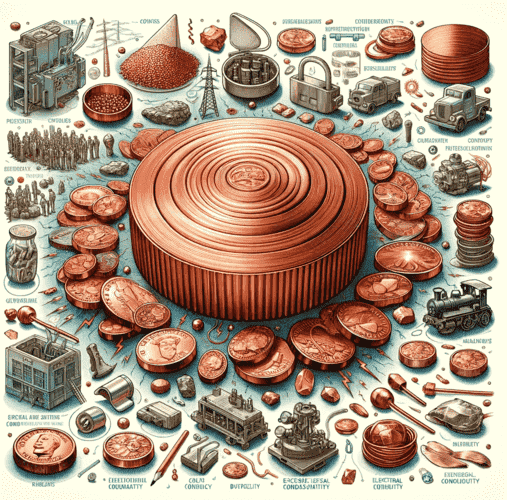
Copper, an elemental metal with the symbol Cu and atomic number 29, holds a distinguished place in both history and modern technology. Its journey from being a naturally occurring element to a cornerstone of human advancement is as rich as its distinctive reddish-brown hue.
Historical Significance and Natural Occurrence
Copper’s history intertwines with the dawn of civilization. Ancient societies, recognizing its pliability and beauty, utilized copper for tools, decorative items, and later, in alloy form as bronze, marking the advent of the Bronze Age. In nature, copper appears in various minerals, such as chalcopyrite, bornite, and malachite, often in areas with volcanic activity.
Properties and Characteristics
What sets copper apart are its physical and chemical properties:
- Conductivity: Copper is second only to silver in electrical conductivity, making it indispensable in electrical applications.
- Thermal Conductivity: Its ability to conduct heat efficiently finds use in cookware and heat exchangers.
- Malleability and Ductility: Copper can be easily shaped and stretched into wires, contributing to its versatility.
- Corrosion Resistance: It resists corrosion from the elements, maintaining its functionality and appearance over time.
- Antimicrobial Properties: Copper surfaces can inhibit the growth of bacteria and viruses.
Wide-Ranging Applications
Copper’s applications are as diverse as its properties:
- Electrical Wiring and Components: Due to its excellent conductivity, copper is a staple in electrical wires, motors, and generators.
- Plumbing and Heating Systems: Its thermal properties and resistance to corrosion make it ideal for pipes and heating systems.
- Coins and Currency: Many countries use copper alloys in their coins for durability and cost-effectiveness.
- Jewelry and Art: Its distinctive color and workability make copper a favorite among jewelers and artists.
Environmental and Health Aspects
Copper is not only valuable for its industrial uses but also plays a crucial role in human health. It’s essential for the formation of red blood cells and maintaining healthy bones and immune function. Additionally, recycling copper plays a significant role in minimizing environmental impact, as recycled copper retains all its original properties.
In summary, copper’s journey from a raw, reddish-brown element to a fundamental component of modern technology and art is a testament to its unique properties and versatility. This exploration into the world of copper reveals not just a metal, but a symbol of human progress and innovation.
2. What is Brass?

Brass, a striking and versatile alloy, has been a material of choice for various applications throughout history. Its creation is an artful blend of copper and zinc, a composition that gives brass its unique characteristics and applications.
Composition and Types
At its core, brass is a copper-zinc alloy. However, the properties of brass can significantly change based on the ratio of these two elements:
- Standard Brass: Typically contains about 67% copper and 33% zinc, giving it a perfect balance of workability and strength.
- Lead Brass: Adding a small amount of lead improves machinability, ideal for precision components.
- Naval Brass: Incorporating tin provides resistance to corrosion in seawater, making it ideal for marine applications.
Physical and Chemical Properties
Brass is distinguished by its bright, gold-like appearance, but its properties extend far beyond its visual appeal:
- Malleability: Like copper, brass is malleable, allowing it to be formed into a wide range of shapes.
- Ductility: The ability to be drawn into thin wires makes brass versatile for intricate designs.
- Corrosion Resistance: Particularly resistant to corrosion from salt water, brass is ideal for marine hardware.
- Low Friction: Its low-friction characteristics make it perfect for applications like locks, gears, and bearings.
Applications in Various Fields
The use of brass spans a broad spectrum:
- Musical Instruments: Brass’s acoustic properties make it a popular choice for instruments like trumpets, trombones, and saxophones.
- Decorative Arts: Its gold-like appearance has been favored for decorative items, jewelry, and architectural accents.
- Industrial Uses: From plumbing fixtures to electrical components, brass’s durability and conductivity make it a practical choice.
- Precision Machinery: In bearings and gears, brass plays a critical role due to its strength and low friction.
Environmental Impact and Recycling
As an alloy, brass is highly recyclable, which minimizes its environmental footprint. Recycled brass retains all the properties of its original state, contributing to sustainable practices in metal use.
In summary, the world of brass is rich and varied, offering a wide range of possibilities due to its unique blend of copper and zinc. This detailed exploration into brass not only highlights its diverse applications but also its significance in both history and modern technology.
3.Copper vs Brass
When it comes to differentiating between copper and brass, understanding their distinct characteristics is crucial. These differences arise from their inherent compositions and affect their properties, applications, and overall performance in various settings.

Copper: The Elemental Metal
Copper, a pure element with the symbol Cu, stands out for its unique reddish-brown color. It’s characterized by a set of specific properties:
- High Electrical Conductivity: Copper is one of the best conductors of electricity, making it ideal for electrical wiring and components.
- Thermal Conductivity: Its ability to conduct heat efficiently is unparalleled, utilized in cookware and heat dissipation systems.
- Malleability and Ductility: Copper can be easily shaped and stretched, allowing for diverse applications.
- Natural Patina: Over time, copper develops a greenish patina, adding a unique aesthetic dimension.
Brass: The Versatile Alloy
Brass, on the other hand, is an alloy primarily made from copper and zinc. This combination imbues brass with distinct properties:
- Color Variation: The proportion of copper and zinc can alter the color of brass, ranging from reddish to yellowish hues.
- Lower Electrical Conductivity: Brass conducts electricity but not as efficiently as copper, making it less suitable for electrical applications.
- Machinability: It’s easier to machine brass than copper, beneficial for creating intricate components.
- Corrosion Resistance: Brass generally offers better resistance to corrosion, especially in marine environments.
Comparing the Two
When comparing copper and brass, several aspects stand out:
- Color: Copper’s reddish-brown is distinct from brass’s yellowish tone.
- Durability and Strength: Brass often outperforms copper in terms of strength and resistance to wear, making it suitable for heavy-duty applications.
- Conductivity: Copper is a better conductor of electricity and heat.
- Applications: Copper’s uses are extensive in electrical and thermal industries, while brass is preferred for decorative, musical, and marine applications.
Here’s a table that summarizes the comparison between copper and brass:
| Aspect | Copper | Brass |
|---|---|---|
| Basic Composition | Pure element (Cu) | Alloy (primarily copper and zinc) |
| Color | Reddish-brown | Yellowish, varying with copper-zinc ratio |
| Electrical Conductivity | Very high, excellent for electrical applications | Lower than copper, less suitable for electrical purposes |
| Thermal Conductivity | High, efficient in heat transfer and dissipation | Lower than copper, but still significant |
| Malleability and Ductility | Highly malleable and ductile | Malleable, but varies with zinc content |
| Machinability | Can be shaped easily, though not as machinable as brass | Easier to machine than copper, ideal for complex components |
| Corrosion Resistance | Develops a patina, but can corrode in certain conditions | Generally more resistant to corrosion, especially in marine environments |
| Strength and Durability | Soft and ductile, less strong compared to brass | Typically stronger and more durable than copper |
| Main Applications | Electrical wiring, cookware, heat systems | Locks, gears, bearings, decorative items, musical instruments |
| Unique Properties | Develops a natural patina over time | Color and properties can be altered with zinc content |
In conclusion, both copper and brass have their unique advantages and ideal uses. Copper excels in electrical and thermal conductivity, while brass stands out for its machinability and durability. Understanding these differences allows for more informed choices in various applications, from industrial to artistic endeavors.
4.How to Tell the Differences Between Copper and Brass

Identifying whether a metal is copper or brass can be a nuanced task. Here’s an expanded guide on how to tell the differences, rich in detail and designed to be SEO-friendly:
Color Distinction
- Copper: Exhibits a distinct reddish-brown color, which is a hallmark of its pure elemental state. This color can range from a deep, earthy red to a bright, almost orange hue, depending on the finish and age of the copper.
- Brass: Characterized by its yellowish color, reminiscent of gold. This coloration is due to the presence of zinc in the alloy. The exact shade can vary from pale yellow to a deep, rich gold, depending on the copper-to-zinc ratio.
Magnetic Properties
- Copper: As a pure element, copper is inherently non-magnetic. This means it will not attract magnets, which can be a quick and easy test to differentiate it from other metals.
- Brass: Depending on its composition, especially when mixed with metals other than zinc, brass can sometimes exhibit slight magnetic properties. In general, if a magnet sticks to the metal, it’s more likely to be brass or a brass alloy with magnetic components.
Patina Development
- Copper: Over time, exposed copper develops a characteristic greenish patina, known as verdigris. This is a result of oxidation, where the copper reacts with oxygen, water, and carbon dioxide. The patina is often seen as a protective layer.
- Brass: Brass can also develop a patina, but it tends to become duller or tarnished over time, rather than green. If it has a high copper content, brass might show greenish spots, but this is less common than with pure copper.
Weight and Sound
- Weight: Copper is denser and thus heavier than brass. When comparing two objects of the same size, copper will generally weigh more.
- Sound: When struck, copper and brass produce distinct sounds. Copper tends to have a softer, more mellow ring, whereas brass offers a brighter, sharper sound. This difference is particularly noticeable in musical instruments made from these metals.
Other Considerations
- Texture and Hardness: Copper is softer and can be scratched more easily compared to brass. Brass, with its zinc content, is generally harder.
- Chemical Tests: For a more scientific approach, various chemical tests can be conducted to differentiate between the two. These tests often involve applying specific chemicals and observing the reaction.
In summary, distinguishing between copper and brass involves a keen observation of color, magnetism, patina, weight, and sound. Understanding these characteristics not only aids in identification but also enriches one’s appreciation for these versatile metals.
Which Material is Better for Jewelry

Choosing between copper and brass for jewelry involves more than just picking a color. It’s about understanding the properties of each metal and how they translate into wearability, aesthetics, and overall value.
Durability and Longevity
- Brass: Known for its robustness, brass is less prone to warping and bending compared to copper. This durability comes from the zinc in the alloy, which strengthens the metal without compromising its malleability. Brass jewelry can withstand the rigors of daily wear, maintaining its shape and structure over time.
- Copper: While copper is malleable and easy to work with, it is softer and more prone to tarnishing and wear. Over time, copper jewelry may develop a patina or change in color, which can be appealing for some but a drawback for others seeking long-lasting shine.
Allergic Reactions and Skin Sensitivity
- Brass: Brass can sometimes contain small amounts of nickel or lead, which are potential allergens. People with sensitive skin or metal allergies might experience reactions to brass jewelry.
- Copper: Generally considered hypoallergenic, copper is a safer choice for those with sensitive skin. Its natural properties minimize the risk of allergic reactions, making it a preferred option for many.
Aesthetics and Visual Appeal
- Copper: The warm, reddish-brown hue of copper adds a unique, earthy touch to jewelry. This distinct color can range from deep, rustic tones to bright, shiny oranges, offering versatility in design.
- Brass: Brass mimics the appearance of gold with its bright, yellowish-gold color. This makes it an attractive, affordable alternative to gold for those who desire the look without the high price tag.
Cost Considerations
- Copper: Generally more expensive than brass, copper’s pricing is influenced by its purity and the complexity of its mining and refining processes. Copper jewelry often carries a higher price due to these factors.
- Brass: More cost-effective than copper, brass offers the look of a precious metal at a fraction of the price. Its affordability makes it a popular choice for fashion jewelry and larger, more elaborate pieces.
Environmental Impact
- Both metals have aspects to consider regarding sustainability. Copper mining has a significant environmental footprint, while brass, being an alloy, can be produced using recycled materials, reducing its overall environmental impact.
In conclusion, the choice between copper and brass for jewelry depends on personal preferences regarding style, budget, and wearability. While brass offers durability and a gold-like appearance at a lower cost, copper stands out for its unique color and hypoallergenic properties.
Wrapping Up
Found our blog insightful? Spread the word! Share it with friends or on your favorite social platforms like Facebook, Reddit, Twitter, or Quora. Your support in sharing our content is greatly appreciated and helps others discover valuable insights too.
Introducing Zingsourcing, your expert sourcing partner based in China. Specializing in an array of jewelry styles crafted from diverse materials such as brass and copper, we’re here to assist in your wholesale and customization needs. Looking for guidance or services? Don’t hesitate to REACH OUT to us.